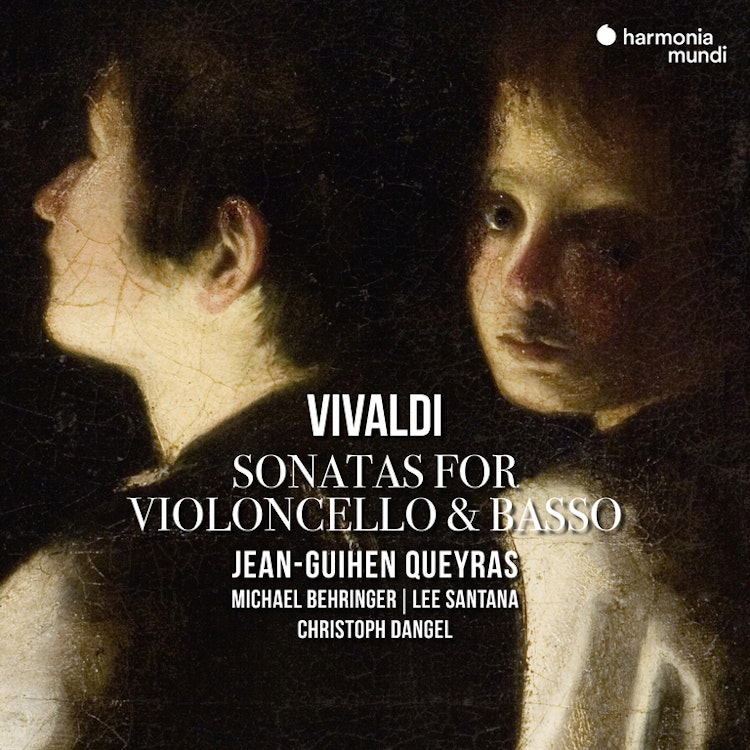
The sonatas follow the chamber sonata model established by Corelli, featuring four movements in a slow-fast-slow-fast sequence, primarily based on dance motifs.
Composer's Artistic Vision
Vivaldi's sonatas were a space for idiomatic experimentation, allowing performers to 'dress the doll' with improvisation and ornamentation, rather than being constrained by mechanical demands.
Interpretation
The performer, Jean-Guihen Queyras, chose to open the album with Sonata No. 5 because its immediate and irresistible opening notes, an octave leap followed by five repetitions of the note E, resonated with his personal history.
Historical Context
The Parisian publishers likely obtained the manuscript through the French ambassador in Venice, Jacques-Vincent Languet, Comte de Gergy, for whom Vivaldi served as a master of ceremonies.
Composition History
Vivaldi's six cello sonatas were published in Paris in 1740 by Le Clerc le cadet and Mme Boivin without the composer's knowledge.
Instruments
Jean-Guihen Queyras chose an anonymous Milanese cello from 1690 for this recording, noting its intimate and soft timbre, plain gut strings, and Baroque-style bow are well-suited to Vivaldi's music.
Composer Biography
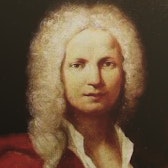
Vivaldi worked with and composed for distinguished cello virtuosos like Antonio Vandini, Giovanni Battista Costanzi, and possibly Jean-Baptiste Stuck, indicating his familiarity with the instrument.
You might also enjoy...
Baroque Music for Cello
Luigi Boccherini: Sonatas for Cello and Continuo, Vol. II