Political chansons often used strophic form, with texts sometimes as long as ten verses, frequently ending with a punch-line that brought the listener back to the main theme.
Album & Artwork
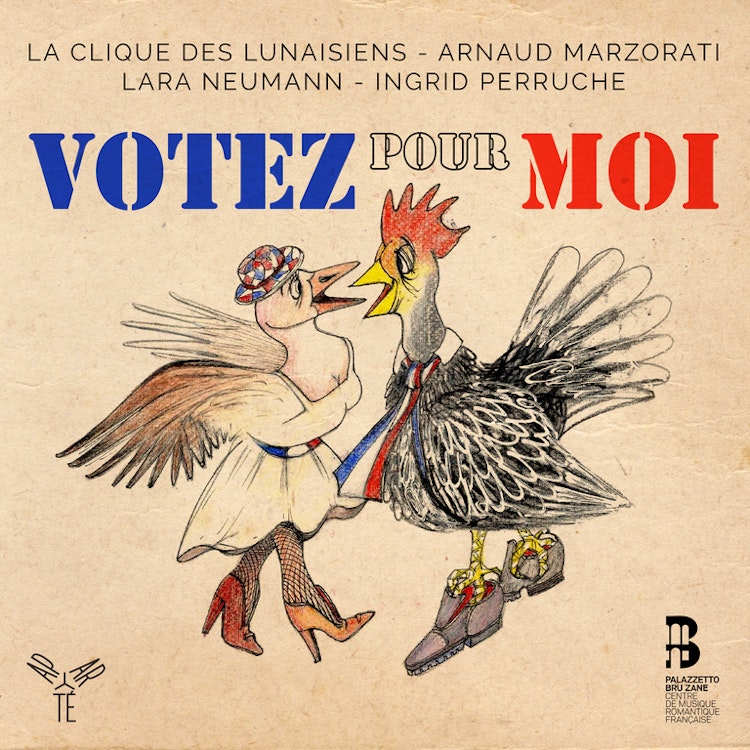
The album title, "Votez pour moi!" (Vote for me!), is a playful invitation to the listener, reflecting the political and satirical nature of the chansons.
Historical Context
The 19th century, marked by frequent changes in political regimes, produced a vast repertoire of satirical and demagogic songs about elections and sovereignty.
Cultural Impact
The success of political chansons extended beyond cafes, with composers integrating them into larger works like operettas and opéra-bouffes, such as Lecocq's "Chanson politique" in La Fille de Madame Angot.
Composition History
The expansion of political songs in the 19th century was facilitated by the inexpensive distribution of various editions and arrangements, and the proliferation of popular performance venues like Montmartre's caf'conc'.
Performer Biography
La Clique des Lunaisiens, led by artistic director and baritone Arnaud Marzorati, aims to revive forgotten French chansons from libraries, presenting them in productions that blend history and literature.
Composer's Artistic Vision
Beyond caustic political commentary, the repertoire also included sentimental songs addressing themes of poverty, abandonment, and solitude, offering solace through religious or morally uplifting narratives.
You might also enjoy...
I Love You Like Spain: Art Songs by Monika Gurak
Zhuo: Compositions
William Vollinger: Raspberry Man - Single
Christmas Songbook
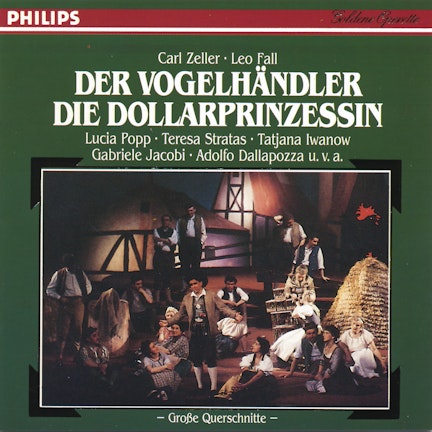
Zeller: Der Vogelhändler (QS) - Fall: Die Dollarprinzessin (QS)
18 Sonatas by Domenico Scarlatti
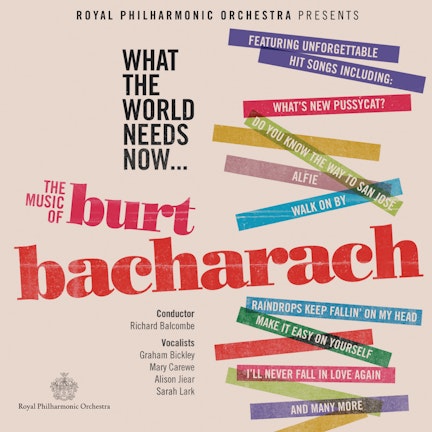
What the World Needs Now (The Music of Burt Bacharach)