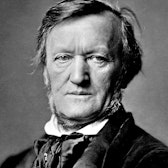
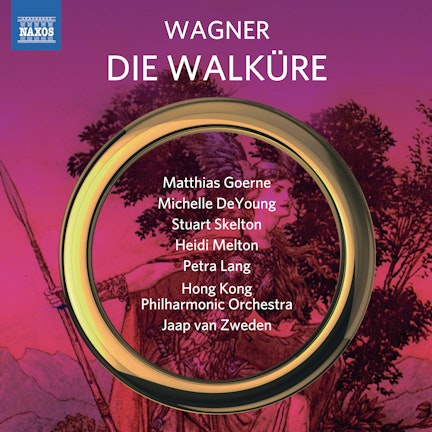
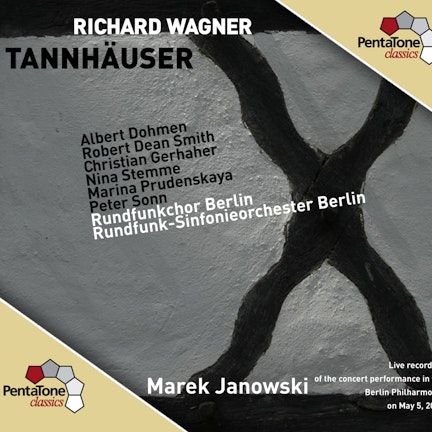
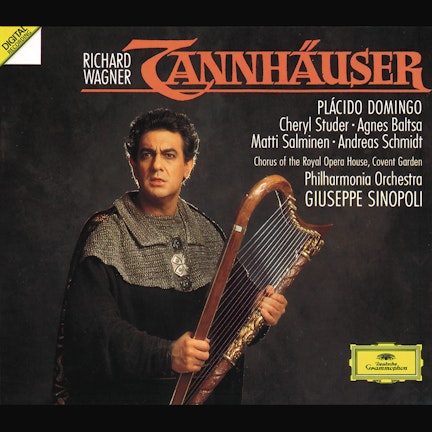
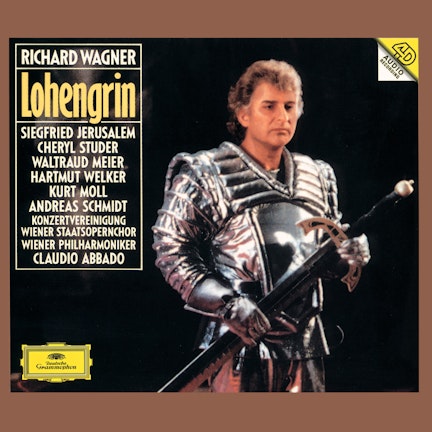
Richard Wagner, the only opera composer to consistently write his own libretti, developed the entire idea of his 'Ring' tetralogy purely based on the music, writing the libretto to function as 'music clotted into words and images'.
Recording & Production
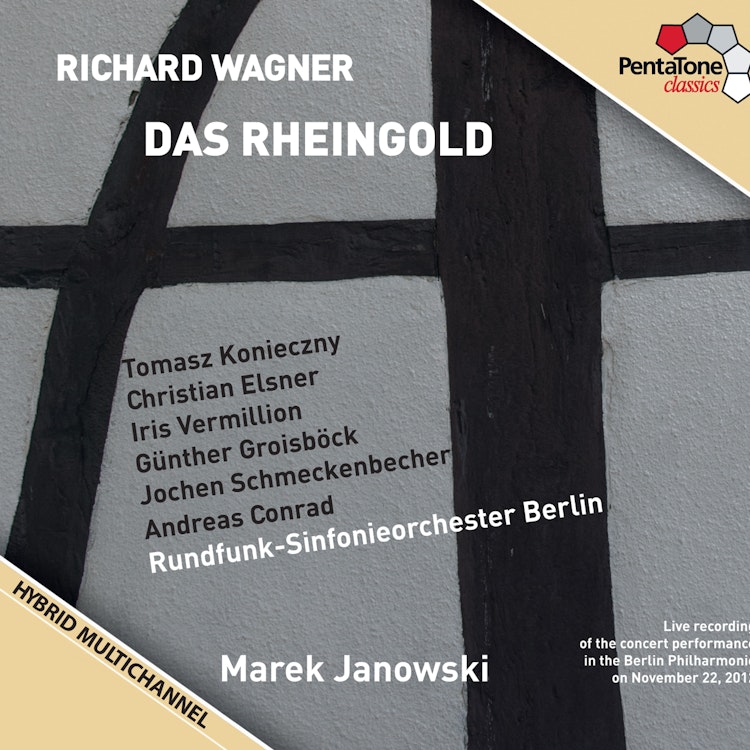
This recording of 'Das Rheingold' is a live recording of a concert performance that took place in the Berlin Philharmonie on November 22, 2012.
Composer's Artistic Vision
Wagner's 'Ring' cycle is described as a 'massive artistic vision of the emergence and decline of a world; a vision of a human catastrophe triggered by blind greed and the lack of love'.
Composition History
Richard Wagner began drafting his monumental opera cycle, 'Der Ring des Nibelungen', by writing the final part first, 'Siegfried's Death' (later 'Götterdämmerung'), in 1848.
Notable Performances
The entire 'Ring' cycle was first performed under Wagner's direction in four consecutive evenings from August 13-17, 1876, on the stage of the newly built 'Festspielhaus' in Bayreuth.
Instruments
Richard Wagner invented the use of 'Wagner tubas' – narrow tubes with a horn mouthpiece – to diversify and strengthen the sound of the horn in his orchestra.
Compositional Technique
The prelude to 'Das Rheingold' dedicates 136 bars, or about four minutes, to the sole celebration of the E-flat major triad, making history in the world of music.