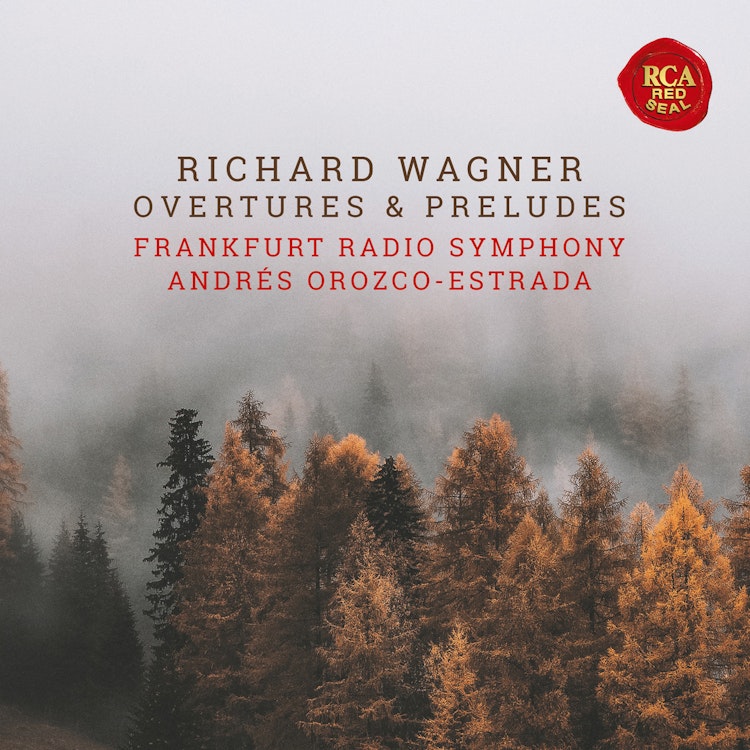
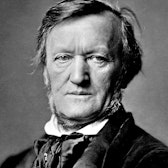
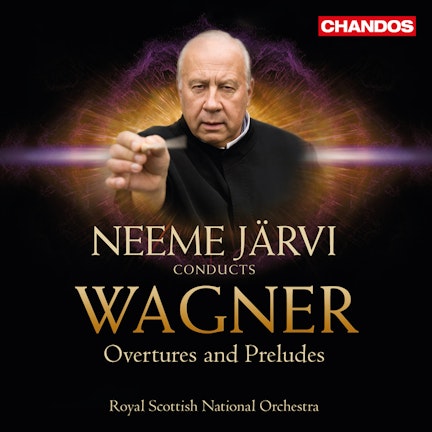
Richard Wagner believed an operatic overture should not simply string together an opera's most beautiful passages, nor should it detail the entire plot.
Compositional Technique
In Lohengrin, Wagner used an enlarged orchestra with triple woodwind, including English horn and bass clarinet, to create a unique sound world.
Composer Biography
Wagner wrote his own librettos for his operas, including Der fliegende Holländer and Rienzi.
Compositional Technique
The Prelude to Act One of Lohengrin uses violins divided into four groups to represent the 'music of the spheres', illustrating the 'wonder-working descent of the Grail'.
Critical Reception
Wagner later distanced himself from his opera Rienzi, calling it a 'bawling brat' and a 'youthful transgression', despite its triumphant premiere making him famous.
Cultural Impact
Tristan und Isolde, with its harmonic boldness, became one of the most influential musical works of the entire nineteenth century.
Composer's Artistic Vision
For Wagner, the main purpose of an operatic overture was to appeal to the 'spectator's imagination' and prepare them for the drama to follow.