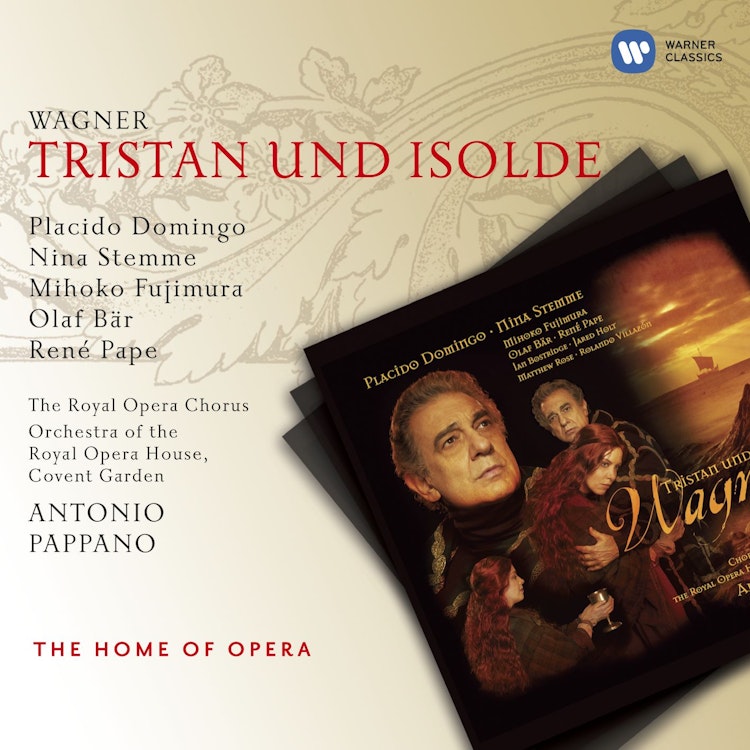
In Tristan und Isolde, Richard Wagner prioritized musical considerations over the text, a shift from his earlier works where he aimed for equal importance between words and music.
Composer's Artistic Vision
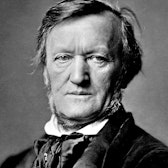
Composer Richard Wagner aimed to create a monument to the "truest joy of love" in Tristan und Isolde, idealizing love rather than depicting it autobiographically.
Composition History
Unusually for Richard Wagner, he drafted and elaborated each act of Tristan und Isolde sequentially, allowing his publishers to begin engraving one act while the next was still being composed.
Compositional Technique
The opera's Act 1 Prelude is a superb exposition of its central ideas and is often performed independently in concerts.
Historical Context
The opera's creation coincided with a complex period in Richard Wagner's personal life, including the breakdown of his marriage and his acquaintance with Mathilde Wesendonck, the wife of his patron.
Notable Performances
Tristan und Isolde premiered on June 10, 1865, at the Königliches Hof- und Nationaltheater in Munich.
Composition History
Richard Wagner conceived the idea for Tristan und Isolde in October 1854, inspired by his friend Karl Ritter's attempt to dramatize the legend.