The premiere of "Tristan und Isolde" on June 10, 1865, was made possible by King Ludwig II of Bavaria, who became a patron of Richard Wagner in 1864.
Composer's Artistic Vision
Richard Wagner's engagement with Arthur Schopenhauer's philosophy, particularly the idea of the 'negation of the Will to Life,' profoundly shaped or confirmed his artistic ideas for "Tristan und Isolde."
Composer Biography
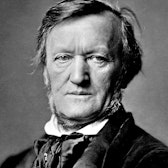
Richard Wagner had to flee Germany in 1849 due to his involvement in the Dresden May Uprising, eventually settling in Zurich.
Recording & Production
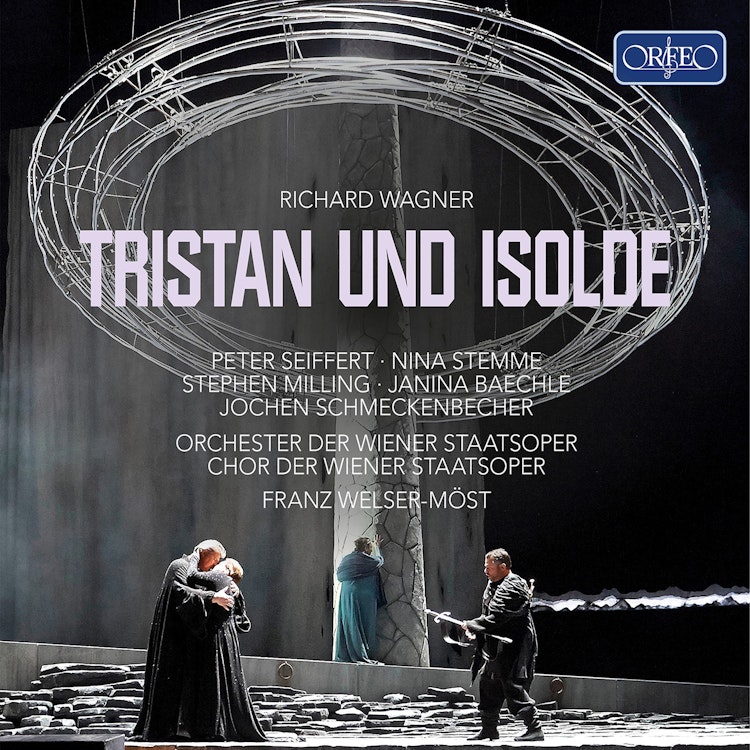
This recording of Richard Wagner's "Tristan und Isolde" is a live recording from the Wiener Staatsoper (Vienna State Opera) in June 2013.
Composition History
Richard Wagner's opera "Tristan und Isolde" was significantly influenced by his intense, profound relationship with Mathilde Wesendonck, who became his muse.
Composition History
Richard Wagner initially intended "Tristan und Isolde" to be a more 'easy and feasible' work to stage, as he was struggling with the massive "Ring des Nibelungen" project.
Composition History
Two of Mathilde Wesendonck's poems, "Im Treibhaus" and "Träume," which Richard Wagner set to music as part of the "Wesendonck-Lieder," were explicit musical studies for "Tristan und Isolde."