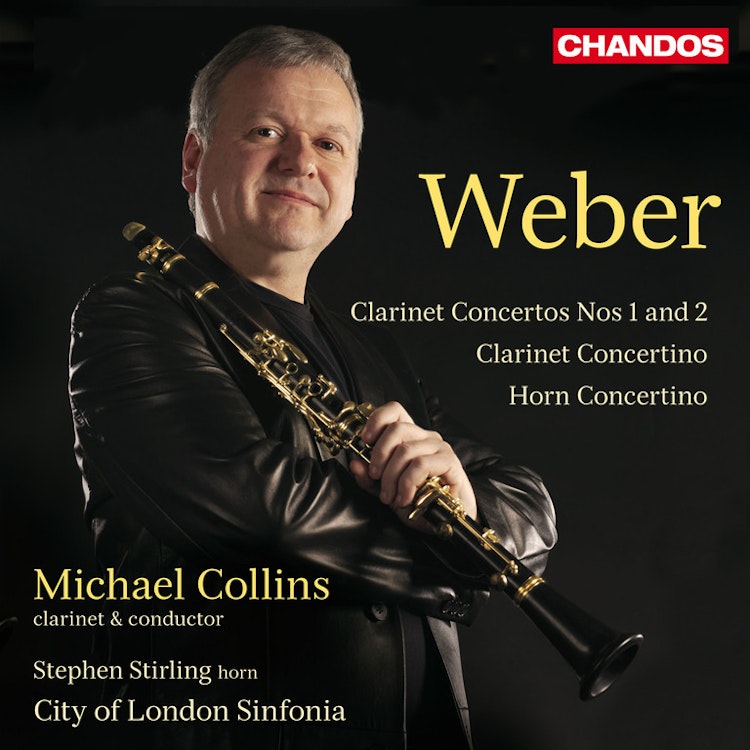
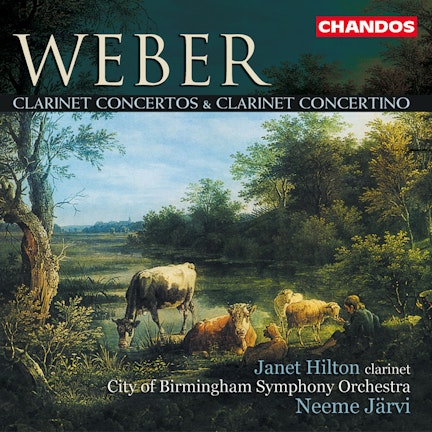
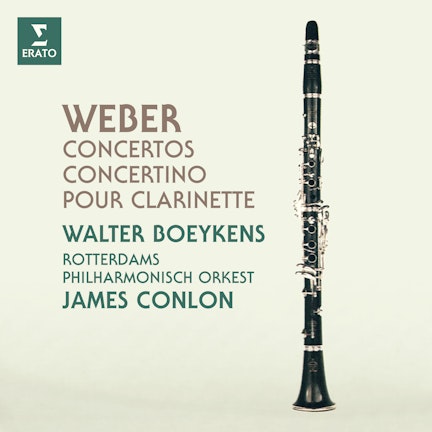
The clarinettist Heinrich Bärmann, for whom Weber wrote these concertos, did not simply accept the scores but left annotated copies with his own additions and changes.
Composition History
None of Weber's clarinet works would have been possible without the clarinettist Heinrich Bärmann, who not only had exceptional technique but also a beautiful tonal quality.
Composition History
Weber composed his Concertino for Horn in E minor at the age of nineteen in 1806 for his friend C. Dautrevaux, a virtuoso horn player.
Compositional Technique
Weber's Horn Concertino pushed the limits of known horn techniques, notably through its bold use of pedal notes and horn chords, which were viewed with skepticism by some at the time.
Composer's Artistic Vision
Weber's concertos are full of theatrical elements like drama, romance, tension, beauty, and recitative, reflecting his fame for stage works.
Composition History
The three works for clarinet and orchestra by Carl Maria von Weber, all composed in 1811, are considered cornerstones of the clarinet concerto repertoire.
Composer Biography
Carl Maria von Weber was most famous for his works for the piano and for the stage, with his operas Der Freischütz and Oberon performed worldwide during his lifetime.
You might also enjoy...
Spohr: Clarinet Concertos Nos. 3 & 4
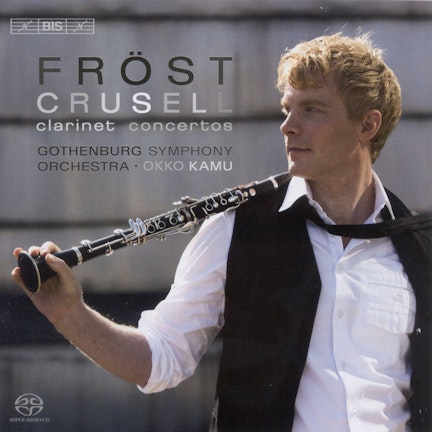
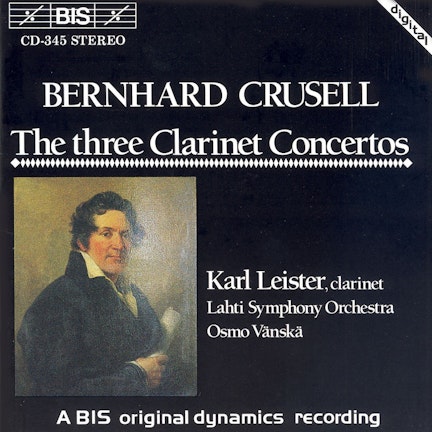
Crusell, B.H.: Clarinet Concertos Nos. 1-3
Crusell: Clarinet Concertos Nos. 1-3
Spohr: Clarinet Concertos Nos. 2 & 3
Spohr: Clarinet Concerto No. 1 in C Minor, Op. 26; Clarinet Concerto No. 2 in E-Flat Major, Op. 57