Weichlein dedicated his sonatas to Emperor Leopold I, hoping they would be performed in the imperial court chapel.
Critical Reception
Despite being scarcely known today, Weichlein's contemporaries, including Johannes Beer, highly regarded his music, considering it on par with composers like Biber and Muffat.
Composer Biography
Weichlein earned a Doctor of Philosophy degree from the Benedictine University in Salzburg in 1673, publicly defending his dissertation.
Composer Biography
Romanus Weichlein, born Andreas Franz Weichlein, became a Benedictine monk and adopted his monastic name after taking vows in 1671.
Compositional Technique
Weichlein's sonatas can be performed in both religious and secular settings, and viols can be used in place of violas in some sonatas.
Compositional Technique
The musical style of Weichlein's "Encænia musices" combines elements of Biber's solo sonatas and the Austrian ensemble canzona, featuring inventive melodic writing and string instrument exploitation.
Composition History
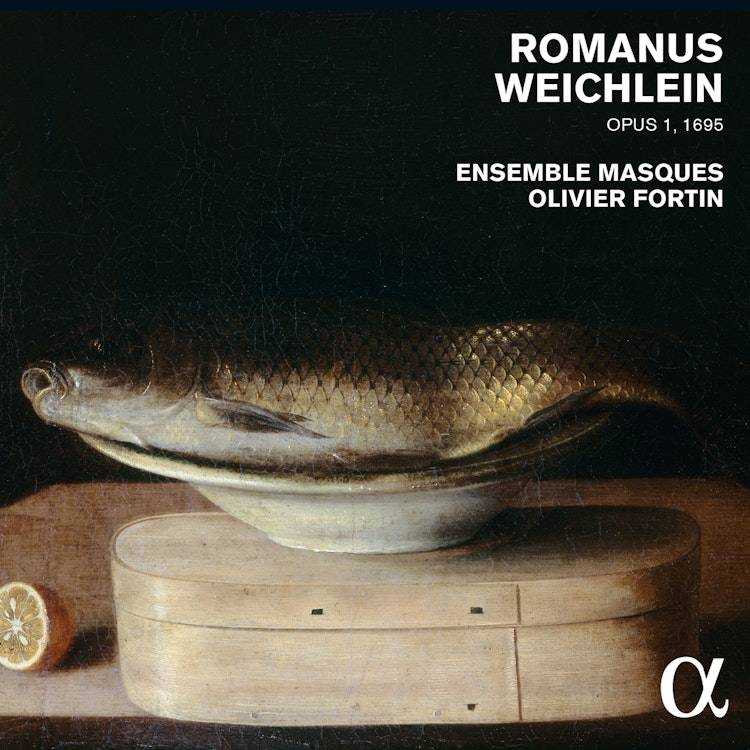
Weichlein's Opus 1, "Encænia musices," was published in 1695 and is a collection of twelve string sonatas, three of which include additional trumpet parts.
You might also enjoy...
Duphly: Pieces de Clavecin
Couperin: Pieces de clavecin, Vol. 1
Frescobaldi, G.: Affetti cantabile
Harpsichord Recital: Tilney, Colin - Bach, J.S. / Couperin, L. / Frescobaldi, G.A. / Gabrieli, G. / Froberger, J.J.
J.S. Bach: An Italian Journey
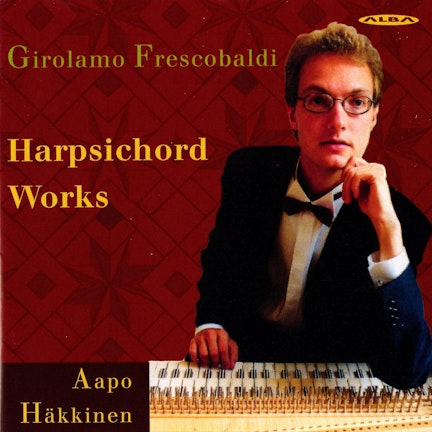
Frescobaldi: Harpsichord Works
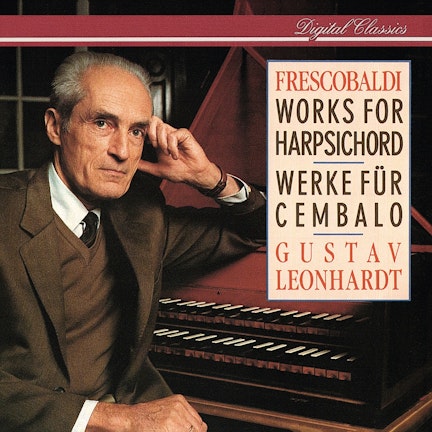
Frescobaldi: Works for Harpsichord
Duphly: Pieces de clavecin, Books 1-4
Bach-Centricity: Concertos, Trios & Sonatas Arranged for Two Harpsichords
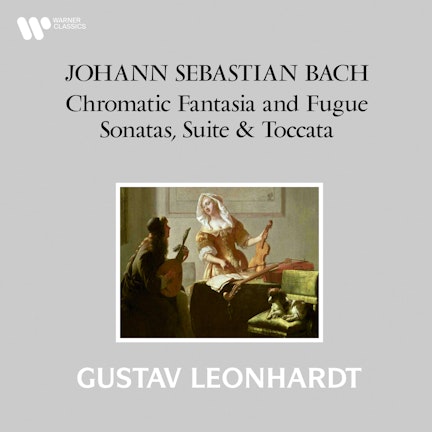
Bach: Chromatic Fantasia and Fugue, Sonatas, Suite & Toccata
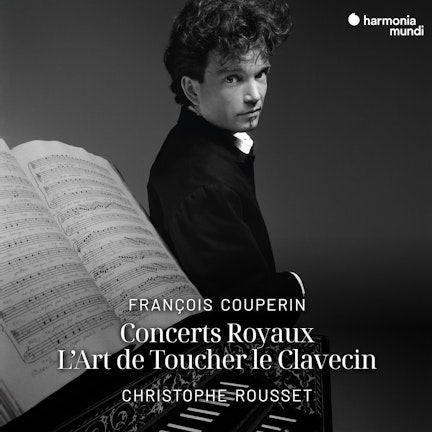
François Couperin: Concerts Royaux, L'Art de Toucher le Clavecin
Araja: Capricci; Pellegrini: Sonatas
Couperin: Complete Works for Harpsichord
Harpsichord Recital: Willi, Barbara Maria - Bach, J.S. / Couperin, F. / Picchi, G. / Ligeti, G. / Rameau, J.-P. / Andriessen, L.