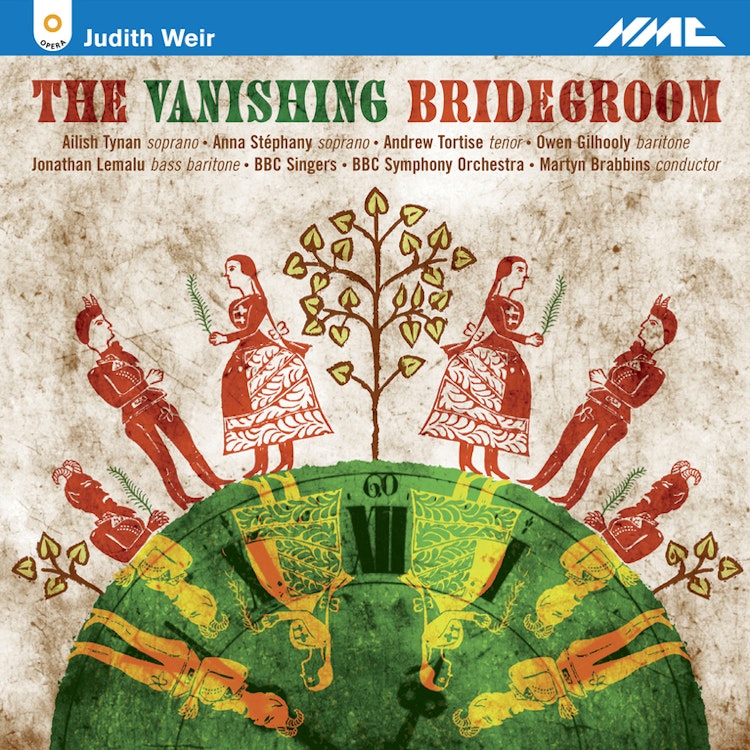
Judith Weir's opera, "The Vanishing Bridegroom," is based on three separate stories from J.F. Campbell's "Popular Tales of the West Highlands" (1860-2).
Compositional Technique
In the second act, "The Disappearance," the balance of male and female voices is redressed by a group of three women whose music, consisting of elaborations on a simple pedal chord, was influenced by traditional 'waulking songs' of the Western Isles.
Composer's Artistic Vision
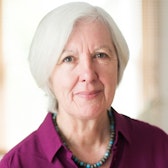
Composer Judith Weir was struck by the "severity and bareness" of the language in J.F. Campbell's collection, which she found "utterly truthful and documentary," despite the supernatural events described.
Compositional Technique
In the first act of the opera, "The Inheritance," the prevailing sound is of many male voices surrounding the Bride, including a stern male voice choir and three sons who follow her in close harmony.
Recording & Production
"The Vanishing Bridegroom" was recorded by the BBC on January 19, 2008, at the Barbican Concert Hall, London, and first broadcast on BBC Radio 3 two days later.
Composer's Artistic Vision
The fairies in the opera, who speak in Gaelic, are depicted as malevolent figures from Celtic stories, more akin to "Invasion of the Body Snatchers" than "Peter Pan."
Historical Context
The first story in the opera, "The Inheritance," includes a detail about a valid marriage under Scots law up to 1939, where a formal declaration by a couple constituted a marriage.