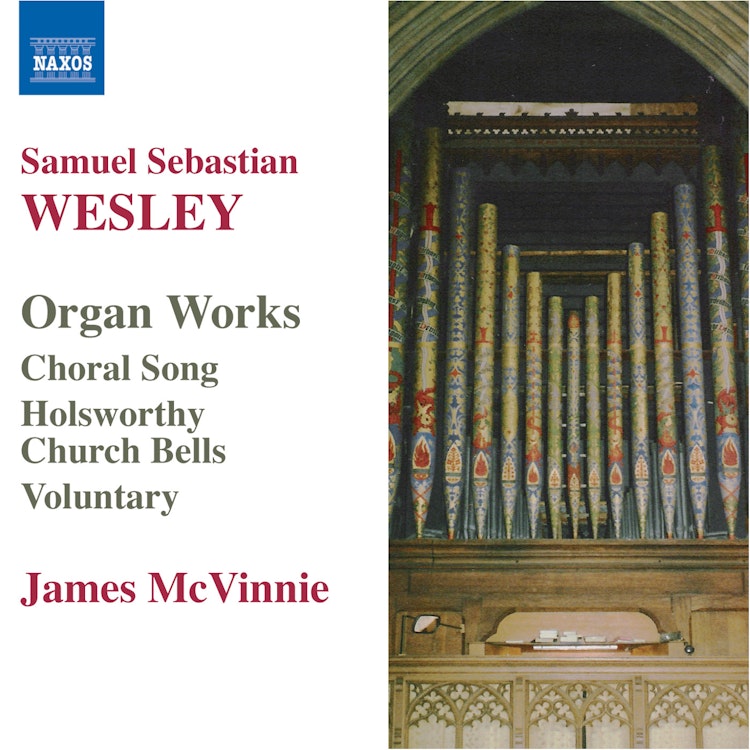
James McVinnie, the organist on this album, has performed in venues and festivals across Great Britain, Europe, the United States, and the Far East as organist to the Choir of Clare College, Cambridge.
Historical Context
Wesley's organ works are historically significant as they bridge two eras of English organ music: the tradition for manuals alone and the new era with obbligato pedal parts and continental 'C' compass.
Composer's Artistic Vision
Wesley's organ music points more to the future than to the past, reflecting his contemporary Mendelssohn and his receptiveness to new sounds in London.
Compositional Technique
Many of Wesley's compositions contain features suggesting an extempore origin, such as unexpected chords, sudden key shifts, or sequential phrases built over a slowly rising bass line, reflecting his skill as an improviser.
Instruments
The organ used for this recording, in the Parish Church of St Michael and All Angels, Tenbury, was installed by Father Willis in 1873 and still sounds as it did then.
Composer Biography
Samuel Sebastian Wesley, the composer, was named after his father's musical idol, Johann Sebastian Bach.
You might also enjoy...
Langlais: Complete Organ Works, Vol. XI
Belgian Symphonic Organ
Dupre: Works for Organ, Vol. 13
Dupré: Complete Organ Works Vol. 2
The Lincoln Legend, Vol. 1 (Live)
Dupré: Organ Music
Persichetti: Organ Music
Judith Bingham: Heaven and Earth & Other Works
Otto Dienel (1839-1905): Spätromantische Orgelmusik - Jörg Strodthoff an der Orgel der Auenkirche in Berlin-Wilmersdorf
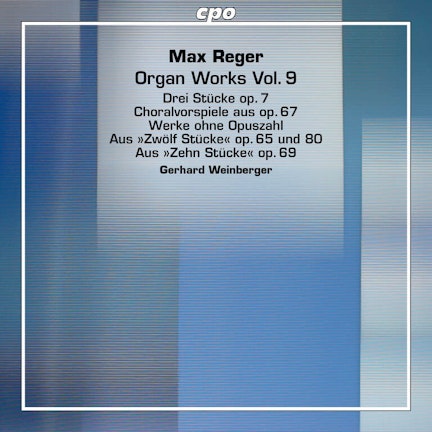
Max Reger: Organ Works Volume 9
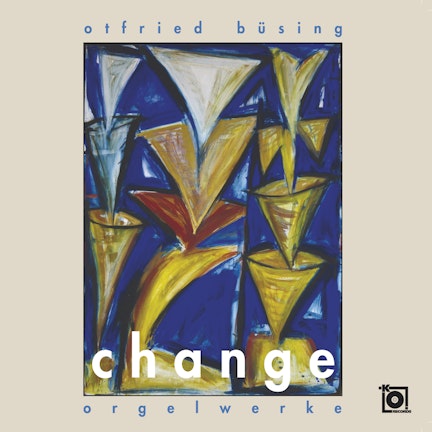
Change
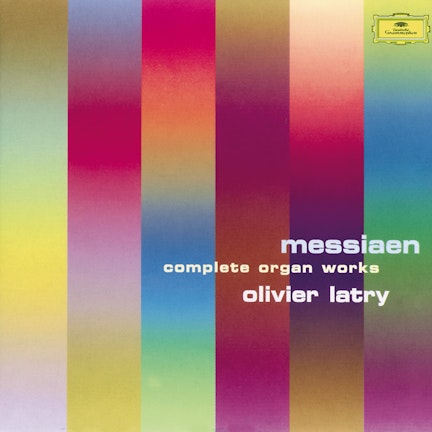
Messiaen: Organ Works
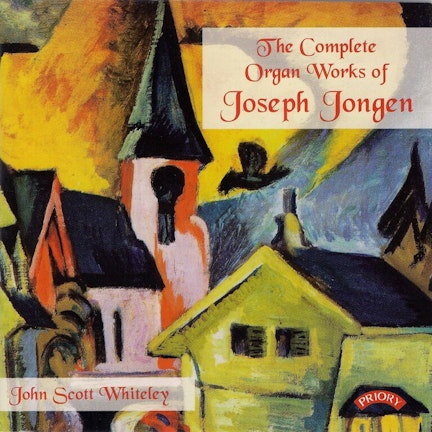
Jongen: Organ Works
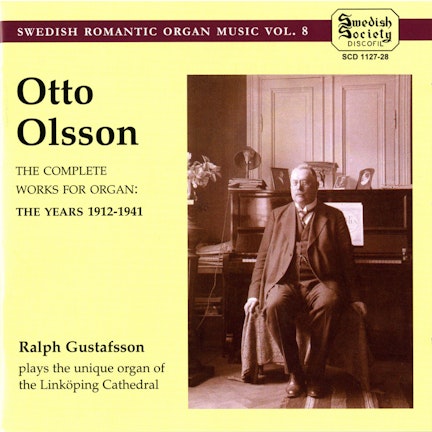
Olsson, Otto - Swedish Romantic Organ Music, vol 8