In their original 1872 versions, Widor's Organ Symphonies Op. 13 featured simple, uniform registrations for entire movements, with no significant changes in timbre or original registrations.
Album & Artwork
The album's cover art, featuring a hot-air balloon, references the motto "soar above" from the published edition of Widor's Symphonies Op. 13.
Recording & Production
The Cavaillé-Coll organ at Royaumont underwent a massive restoration project requiring 17,000 hours of work over six years, including a new neo-Gothic oak case.
Composer Biography
Charles-Marie Widor, the composer, was the organist at Saint-Sulpice in Paris, playing the most prestigious organ built by Aristide Cavaillé-Coll, to whom he dedicated his first four symphonies.
Instruments
The Cavaillé-Coll organ at Royaumont Abbey, used for this recording, was originally built in 1864 for a private villa and was classified as a historic monument in 1990.
Composer's Artistic Vision
Charles-Marie Widor, the composer, envisioned the modern organ as symphonic and transcendent, influenced by the Gothic Revival, symbolizing progress and universal spirituality.
Composition History
In 1872, the French state purchased Charles-Marie Widor's 'Symphonies pour orgue' for its libraries, recognizing them as an innovative and significant new genre.
You might also enjoy...
Olivier Messiaen: La Nativité du Seigneur (Eberhard Lauer an der Kuhn-Orgel St. Johannis Hamburg-Altona)
Bruckner 5 for organ
Enjott Schneider – Sacred Music Vol. 3
Widor: Complete Organ Works Vol. 2
Messiaen: Méditations sur le mystère de la Sainte Trinité, I/49
Mussorgsky, M.P.: Pictures at an Exhibition / 3 Movements From Petrushka
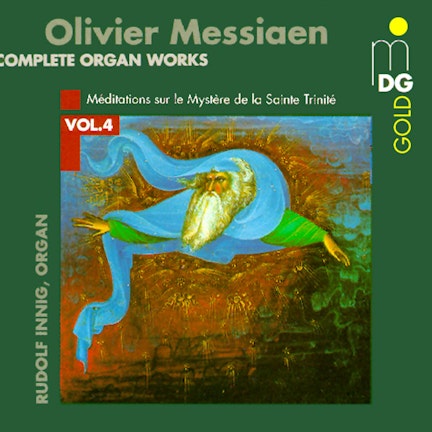
Messiaen: Complete Organ Works Vol. 4
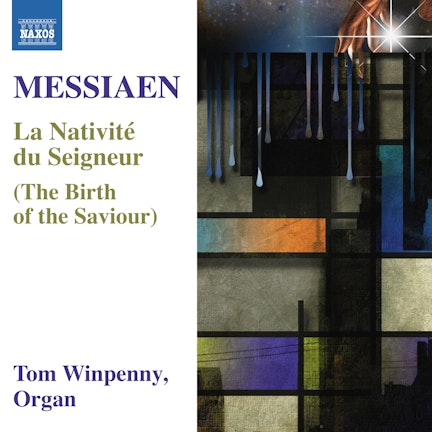
Messiaen: La Nativité du Seigneur
Reger: Chorale Fantasias, Op. 52
Widor: Organ Symphonies Nos. 5 & 10
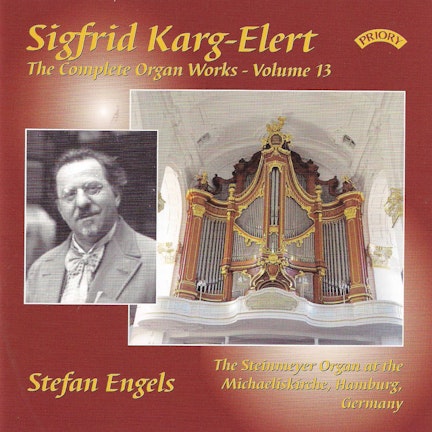
Karg-Elert: Complete Organ Works, Vol. 13
Tournemire: Sept Chorals-Poèmes d'Orgue pour les Sept Paroles du Christ
Messiaen: Les corps glorieux (À l'orgue de la Sainte-Trinité de Paris)