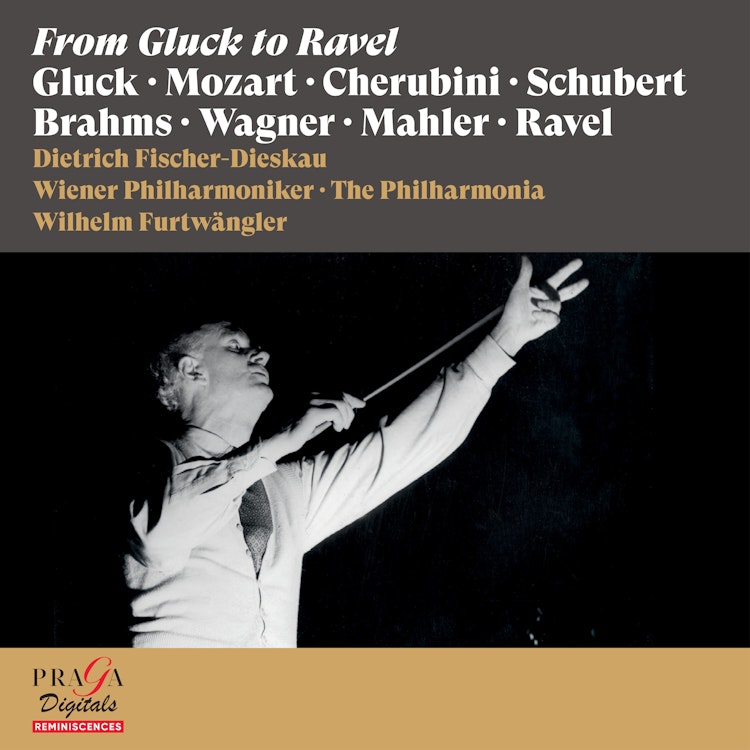
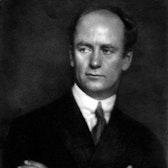
In 1931, Wilhelm Furtwängler became the joint musical director of the Bayreuth Festival on an equal footing with Arturo Toscanini.
Performer Biography
Wilhelm Furtwängler was cleared of allegations of collaborating with the National Socialists in December 1946, with Yehudi Menuhin and Ernest Ansermet advocating for him.
Interpretation
Furtwängler believed that improvisation was the fundamental form of musical activity and that an interpreter must make the music live through rigorous preparation, but not a predetermined interpretation.
Interpretation
Wilhelm Furtwängler believed that a musical score was a launching pad for genius, not a sacred text, and compared an orchestra to a flock of birds.
Performer Biography
Furtwängler became the director of the Leipzig Gewandhaus Orchestra and the Berlin Philharmonic Orchestra in 1922, succeeding Arthur Nikisch.
Historical Context
Wilhelm Furtwängler resigned his post in December 1934 for 'political reasons' after taking on numerous Jewish artists, which was criticized by the National Socialist regime.
Performer Biography
Wilhelm Furtwängler, the conductor on this album, was the son of archaeologist Adolf Furtwängler and grew up in a humanistically influenced home in Munich.
You might also enjoy...
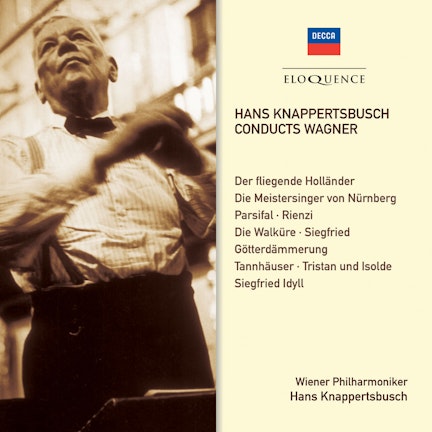
Hans Knappertsbusch Conducts Wagner
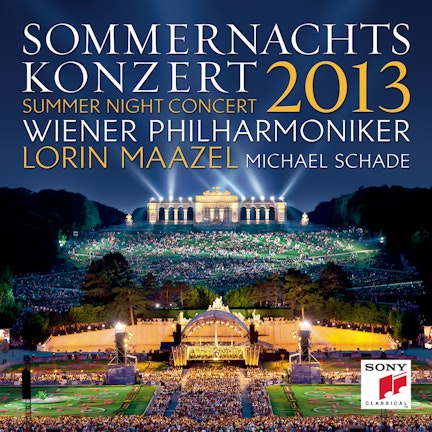
Sommernachtskonzert 2013 / Summer Night Concert 2013
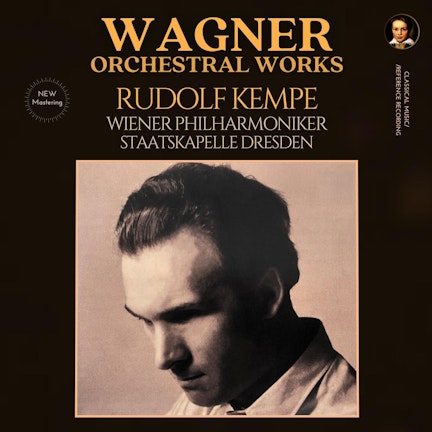
Wagner: Orchestral Works by Rudolf Kempe
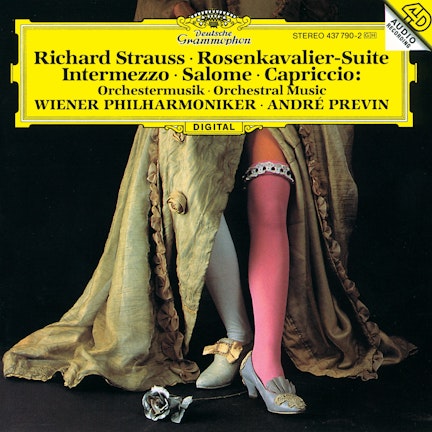
R. Strauss: Rosenkavalier-Suite; Intermezzo; Salome; Capriccio
Chabrier: España; Suite pastorale
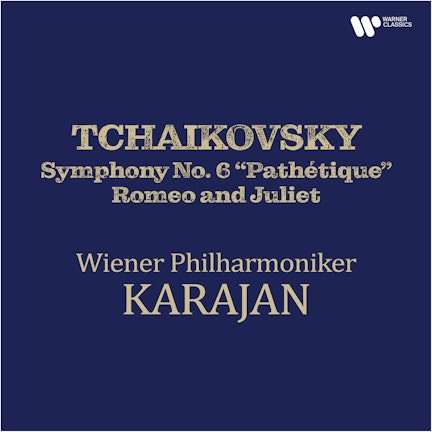
Tchaikovsky: Symphony No. 6 "Pathétique" & Romeo and Juliet