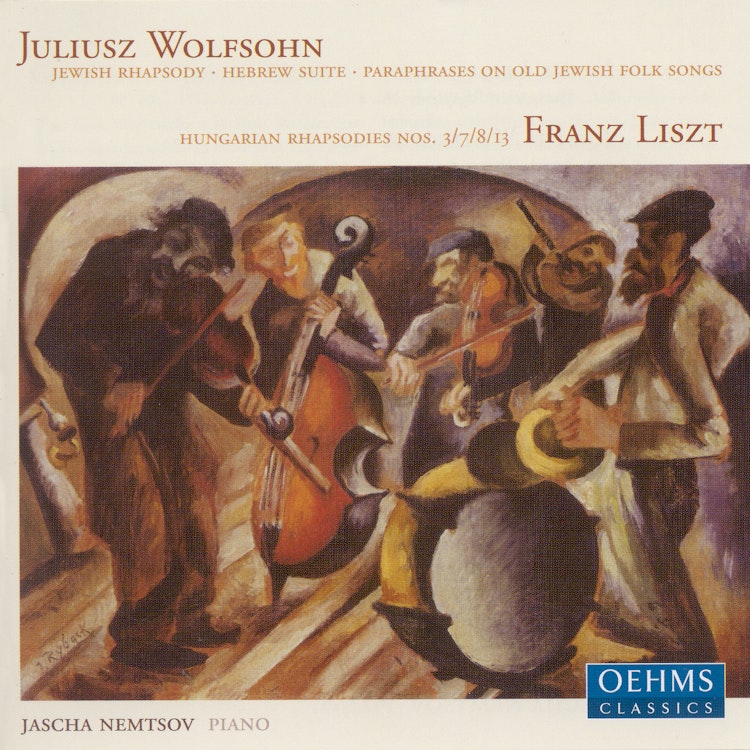
Wolfsohn, J.: Jewish Rhapsody / Hebrew Suite / Paraphrases On Old Jewish Folk Songs / Liszt, F.: Hungarian Rhapsodies
7/1/2008, 11 Tracks, 1:08:59
Featuring
Jascha Nemtsov
Franz Liszt
Juliusz Wolfsohn
Did you know?
1/7
Instruments
Both klezmer and gypsy bands typically used instrumental ensembles without singers, often featuring violin or clarinet as solo instruments and cymbalon for accompaniment.
Composer Biography
Juliusz Wolfsohn, a Jewish composer featured on this album, was a 'grand-student' of Franz Liszt, having studied with Theodor Leschetitzky, who was a student of Liszt.
Historical Context
Both Jewish and gypsy peoples, originally from the Orient, were treated as outsiders in Europe for centuries and subjected to persecution, culminating in the Nazi period.
Compositional Technique
Jewish klezmer and gypsy bands share musical characteristics such as improvisation, rhapsodic forms, rich ornamentation, and the use of augmented seconds.
Composer's Artistic Vision
Franz Liszt, the composer of the Hungarian Rhapsodies, was fascinated by the 'search for unbridled freedom' in the gypsy way of living.
Performer Biography
Pianist Jascha Nemtsov, born in 1963, has dedicated many concert programs and recordings to works by Jewish composers persecuted by the Nazis and to 20th-century Jewish art music.
Composition History
Wolfsohn's Jewish Rhapsody from 1912 was inspired by Liszt's Hungarian Rhapsodies, aiming to create a similar work for Jewish folk music.
You might also enjoy...
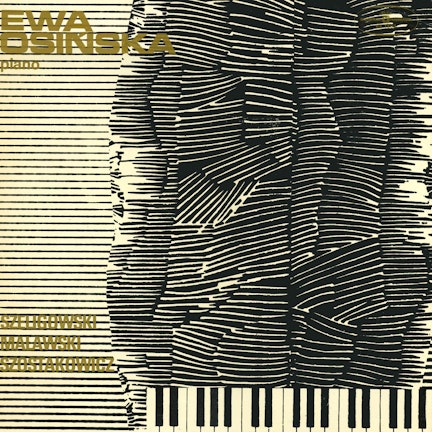
Szeligowski, Malawski, Szostakowicz
Latin American Piano, Vol. 1
Piano Recital: Dorn, Babette - Hummel, J.N. / Beethoven, L. Van / Verdi, G. / Cramer, J.B. / Clementi, M. / Mozart, F.X. / Schumann, R.
Kapustin: 8 Concert Etudes; Piano Sonata No. 6 & Other Works
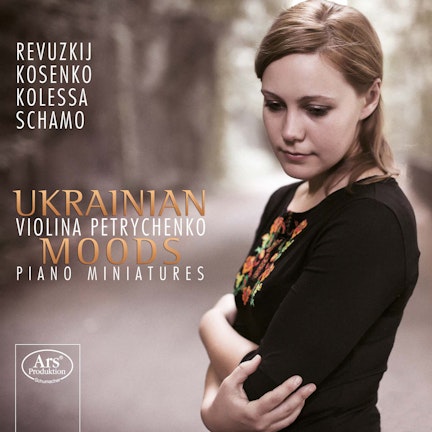
Ukranian Moods
Zaderatsky: Piano Works
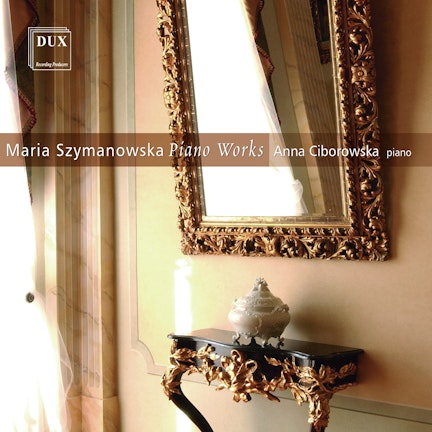
Szymanowska: Piano Works
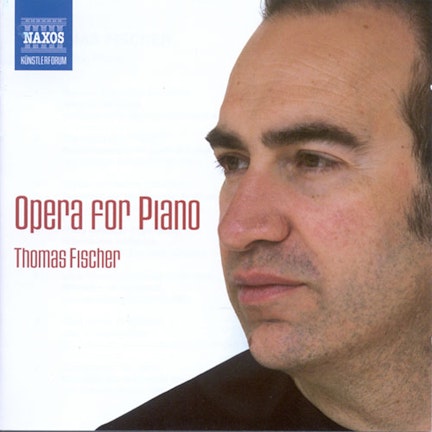
Piano Recital: Fischer, Thomas - Gluck, C.W. / Liszt, F. / Thalberg, S. / Gottschalk, L.M. / Bertini, H. / Czerny, C. (Opera for Piano)
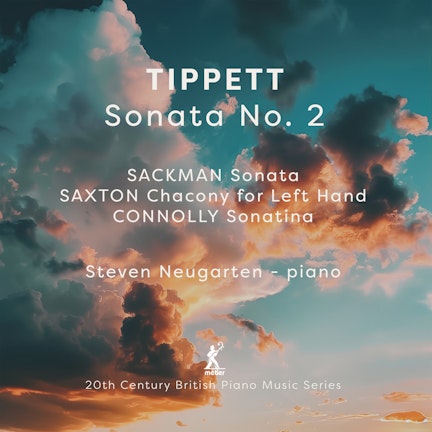
Neugarten, Steven: 20th Century British Piano Music vol. 2
Pupils of Chopin
Alkan: The Complete Transcriptions, Vol. 1, Mozart