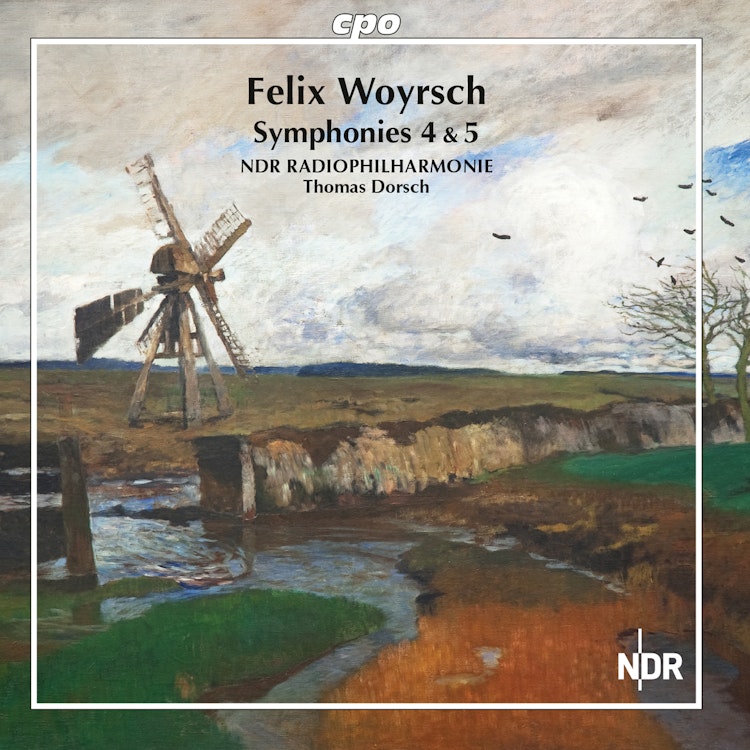
Woyrsch lived through the early 20th century's radical musical shifts, including Expressionism and Dodecaphony, but his own symphonic and chamber music largely developed after World War I.
Composer Biography
Felix Woyrsch, born in 1860, was largely self-taught as a composer, studying counterpoint from masters like Palestrina and Bach, and composition from Beethoven, Mozart, and Haydn.
Composition History
The 'Garden Scene from Goethe's Faust' was Felix Woyrsch's final composition, intended as the middle movement of a three-movement suite based on Goethe's tragedy.
Compositional Technique
The slow movement of Woyrsch's Fifth Symphony is characterized by harmonic suspension, using false cadences and modulations to avoid settling into a clear tonic, creating a 'little harmonic labyrinth'.
Performer Biography
The NDR Radio Philharmonic, based in Hanover, has risen to become one of Germany's leading symphony orchestras, known for its diverse programming from classical to film music and early music.
Critical Reception
Critics praised Woyrsch's Fifth Symphony for its 'wealth of luxuriously sculpted themes' and 'solid musical craftsmanship,' but also viewed it as retrospective, rooted in 19th-century Romanticism.
Composition History
Woyrsch's Fourth Symphony was completed around his 70th birthday and was first performed in Aachen in 1931 after an attempt to have Wilhelm Furtwängler and the Berlin Philharmonic premiere it fell through.
You might also enjoy...
Popov: Symphonic Suite No. 1, "Patron of Electrification" from the Film "Komsomol"
Reznicek: Symphonies Nos. 2 & 5
Tveitt: 100 Folk-Tunes From Hardanger, Op. 151, Suite Nos. 1 & 2
Fuchs: Symphony No. 3, Op. 79
Music of Edward Collins, Vol. IV
Wilson: Triple Concerto for Horn, Marimba and Bass Clarinet
Wagner-Maazel: Der Ring ohne Worte
Florencio Asenjo
Henze: Undine
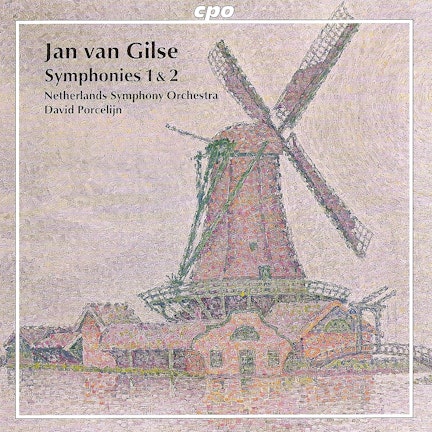
Gilse, J. Van: Symphonies Nos. 1 and 2
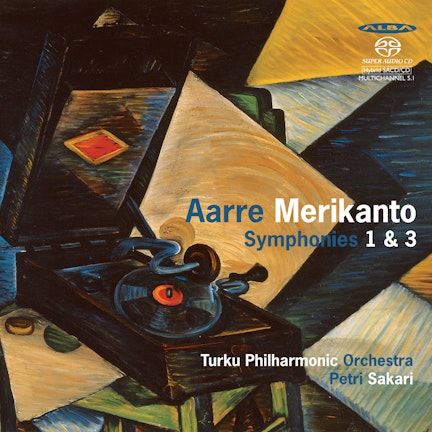
Merikanto: Symphonies Nos. 1 & 3
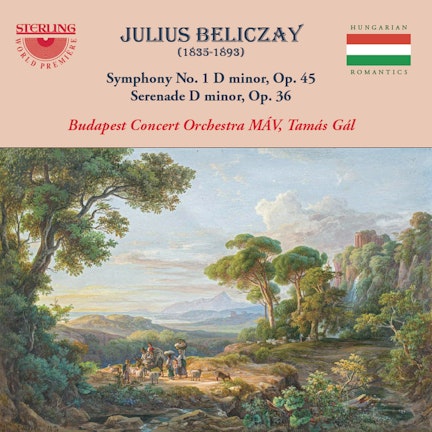
Beliczay: Symphony No. 1 in D Minor, Op. 45 - Serenade in D Minor, Op. 36