Saygun believed that 'Music exists with work, not with words,' and always prioritized expressing his views through his music.
Compositional Technique
Saygun translated the rhythm and modes of Turkish folk songs into an international language within the Oratory, for example, writing a part reminiscent of the 'segah' maqam in Phrygian mode.
Composition History
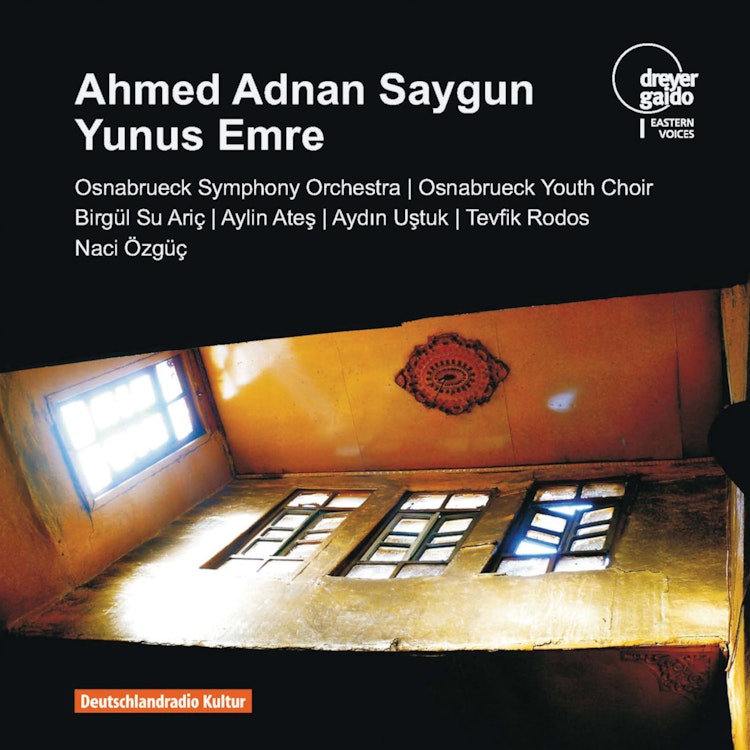
The Yunus Emre Oratory, the first oratory composed in Turkey, was completed in January 1943 and premiered on May 25, 1946.
Composer's Artistic Vision
Adnan Saygun dedicated himself to Mustafa Kemal (Atatürk), the 'Great Leader' and founder of the Republic of Turkey, finding strength in his achievements during personal setbacks.
Recording & Production
This recording of the Yunus Emre Oratory was a coproduction between Dreyer Gaido Musikproduktionen and Deutschlandradio Kultur, recorded live on December 3, 2011, at St. Peter, Osnabrueck.
Composition History
Saygun's father, Mehmed Celaleddin, a prominent figure in Smyrna's cultural life, and music teacher Ismail Zühtü Kusçuoglu, profoundly influenced the young Adnan's education.
Composer Biography
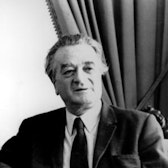
Adnan Saygun, the composer, was born in Smyrna (Izmir) during the last days of the Ottoman Empire and experienced the occupation of his city.
You might also enjoy...
Farberman: Millenium Concerto for Cello and Orchestra
Grand Mass in E Flat Major
Brüll: The Golden Cross
Shifrin: Cantata to the Text of Sophoclean Choruses
Glenck: Orchesterwerke
Hailstork: Symphonies Nos. 2 and 3
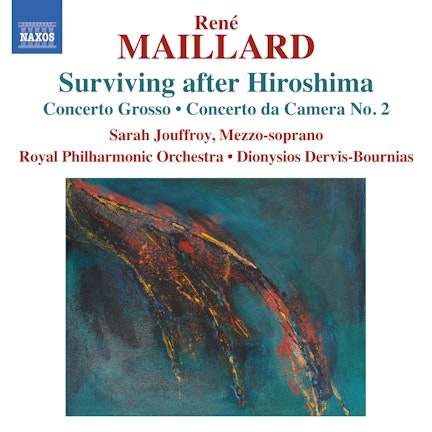
Maillard: Surviving after Hiroshima
Goss Theorbo Concerto
Albeniz: Iberia
Pfitzner: Symphony in C-Sharp Minor, Elegie und Reigen & Fantasie, Op. 56
Pfitzner: Symphonies, Opp. 44 & 46
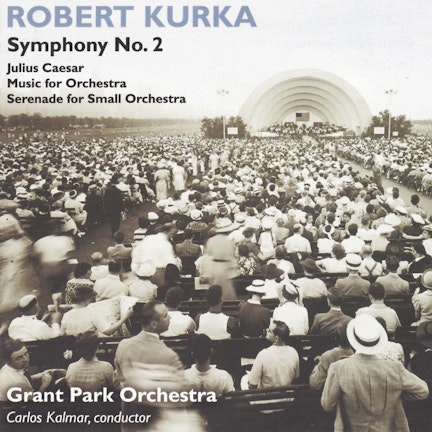
Kurka: Symphonic Music
Genzmer: Piano Concerto No. 1, Cello Concerto & Trombone Concerto