The Helsinki Philharmonic Orchestra, the oldest professional symphony orchestra in the Nordic countries, gave the first performances of many of Jean Sibelius's major works, often with the composer conducting.
Composer Biography
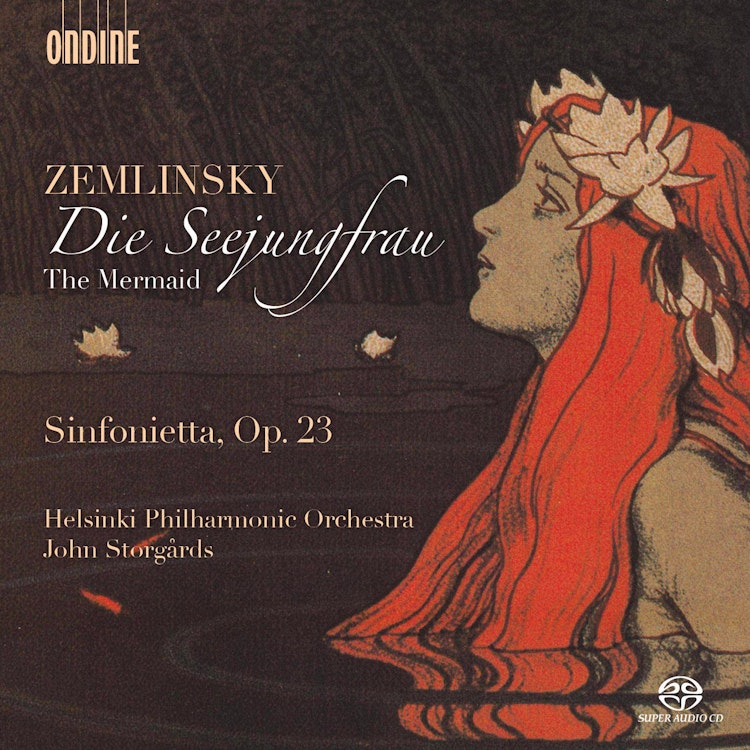
Zemlinsky himself was the sternest critic of Die Seejungfrau, omitting it from a list of his compositions in 1910 and withdrawing the score from public view.
Composition History
Zemlinsky composed the Sinfonietta in less than four months in 1934, after his publishers requested a short, practical orchestral work that would be easier to promote.
Cultural Impact
After being unheard for decades, Die Seejungfrau was rediscovered in 1984 and has since attained the status of a 'Greatest Hit', captivating audiences with its beauty.
Critical Reception
Die Seejungfrau received almost unanimous approval from Viennese critics, who described it with epithets such as 'charming', 'poetical', and 'heart-warming'.
Composition History
Zemlinsky initially envisioned his work Die Seejungfrau (The Mermaid) as a single-movement symphonic poem, but it evolved into three movements covering more of Andersen's story.
Historical Context
In 1904, Zemlinsky and Arnold Schoenberg founded the Vereinigung schaffender Tonkünstler in Wien (Association of Creative Musicians in Vienna) with Gustav Mahler as honorary president.
You might also enjoy...
Strauss: Ein Heldenleben
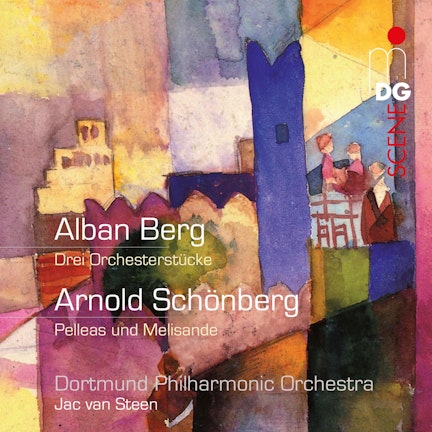
Berg & Schönberg: Orchestral Works
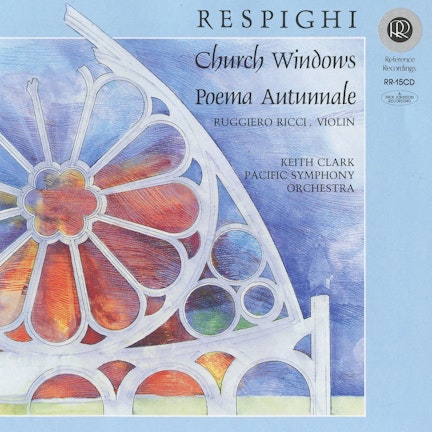
Respighi: Church Windows, P. 150 & Poema autunnale, P. 146
Strauss, R.: Don Quixote / Romance for Cello and Orchestra
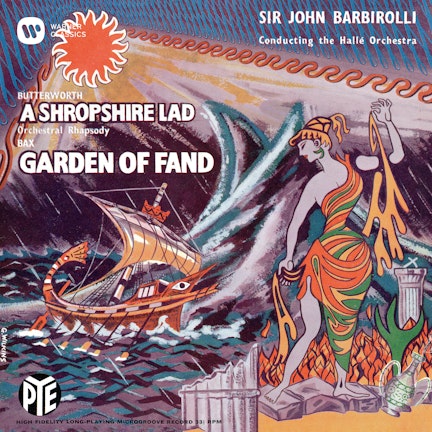
Butterworth: A Shropshire Lad - Bax: The Garden of Fand
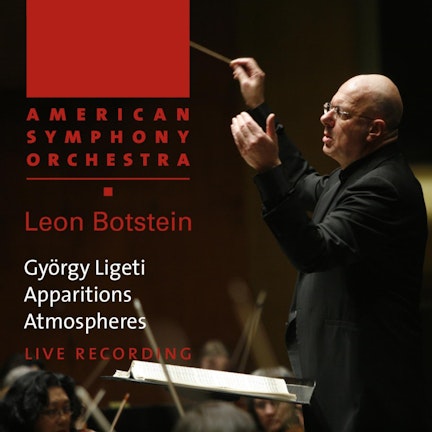
Ligeti: Apparitions & Atmospheres
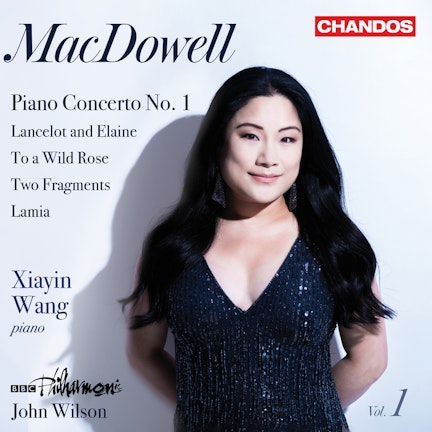
MacDowell: Orchestral Works, Vol. 1
Delius : Orchestral Works
English Spring
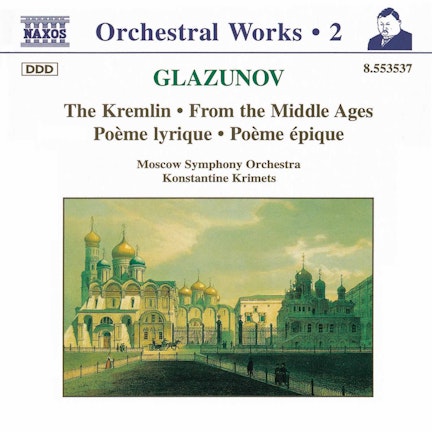
Glazunov, A.K.: Orchestral Works, Vol. 2 - the Kremlin / From the Middle Ages / Poeme Lyrique / Poeme Epique
Ives: Holidays (Symphony); The Unaswered Question; Central Park in the Dark
Ives: Holidays (Symphony), The Unaswered Question, Central Park in the Dark
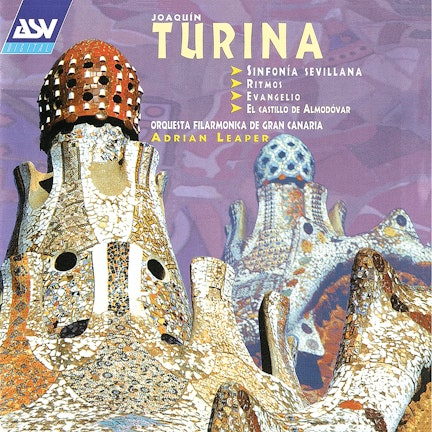
Turina: Sinfonia Sevillana; Evangelio; Ritmos; El Castillo de Almodovar