In 1896, Alexander Zemlinsky, the composer, won prizes for his first opera, Sarema, and his Trio in D minor, gaining the support of Johannes Brahms.
Compositional Technique
Zemlinsky's Second String Quartet, Op. 15, is conceived as a single, extended movement comprising five distinct sections, making it his longest chamber music work.
Composition History
Zemlinsky began his Second String Quartet, Op. 15, in the peaceful surroundings of Kitzbühel in the Tyrolean Alps during the summer of 1913, as war in the Balkans intensified.
Compositional Technique
Zemlinsky's First String Quartet, Op. 4, features an Allegretto movement with Viennese flirtatiousness and a furiant, a thrilling 3/4 time dance associated with Bohemia.
Performer Biography
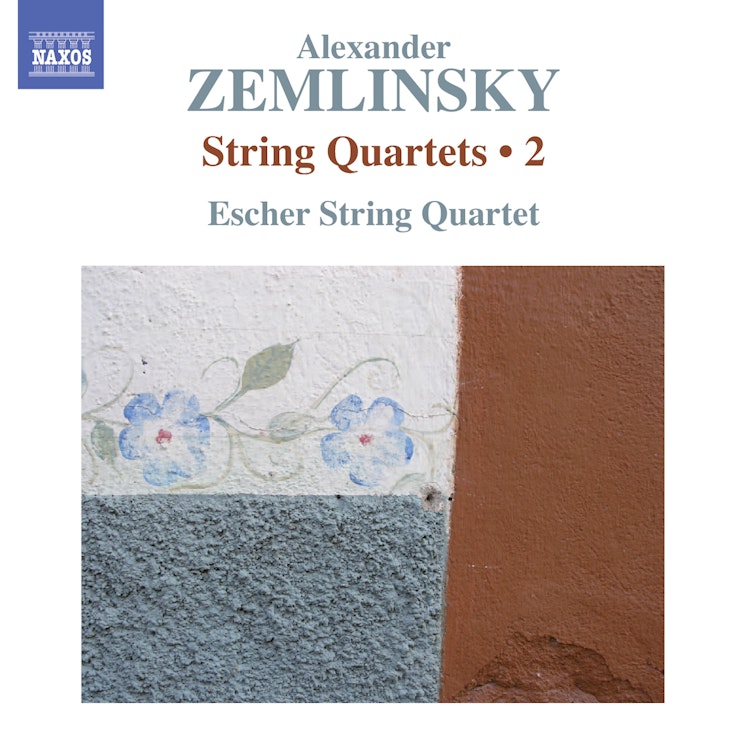
The Escher String Quartet, the performers on this album, was championed by the Emerson String Quartet and was part of the BBC New Generation Artists scheme from 2010-2012.
Composer Biography
Alexander Zemlinsky's musical thought was influenced by Arnold Schoenberg, his former student, friend, and brother-in-law, who married Zemlinsky's sister Mathilde.
Compositional Technique
In his Second String Quartet, Op. 15, Zemlinsky expanded his techniques by using a kaleidoscope of pacing and sound, with the first movement alone evolving over five distinct tempos.
You might also enjoy...
Toch: String Quartets Nos. 11 & 13
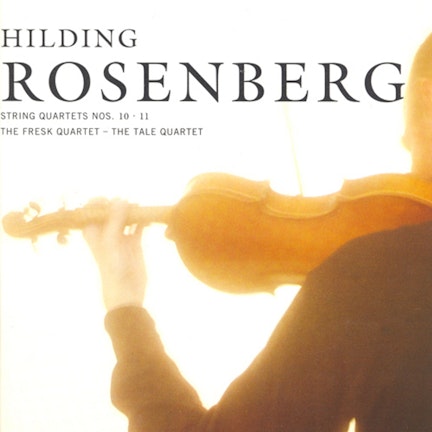
Rosenberg: String Quartets Nos. 10 and 11
Vasks: String Quartets Nos. 2 and 3
Fuchs: Complete String Quartets, Vol. 1
Weigl, K.: String Quartets No. 1 and 5
Glazunov: String Quartets Vol. 5
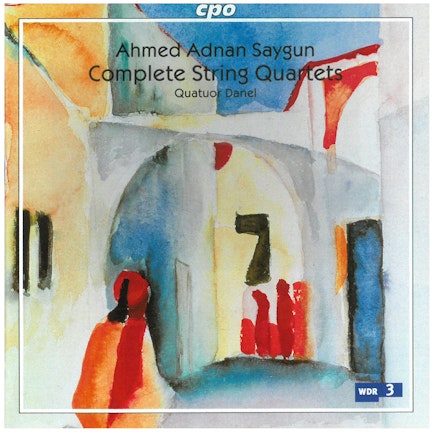
Saygun: Complete String Quartets
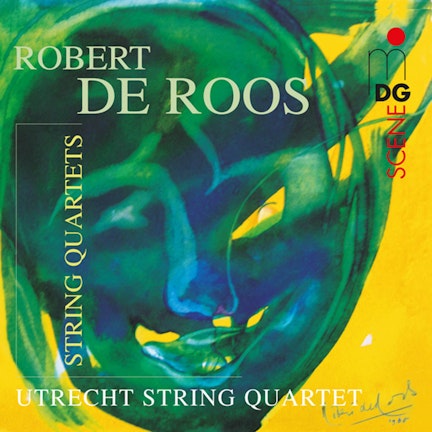
Roos: String Quartets Nr. II, III, V, VII
Xenakis Edition, Vol. 10: String Quartets
Indy: String Quartets Nos. 1 and 2
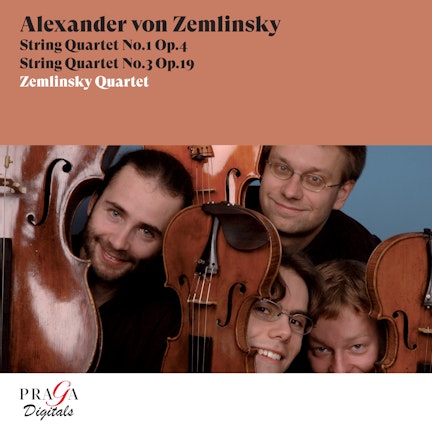
Alexander von Zemlinsky: String Quartets Nos. 1 & 3