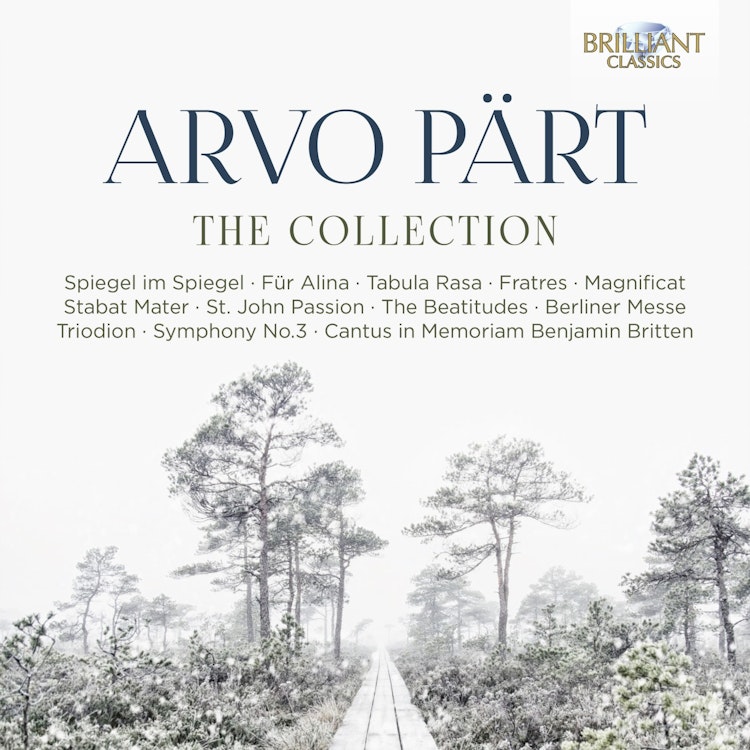
For each new piece, Pärt devises a set of laws that determine every pitch, duration, and the structure, comparing this process to the work of a 'Creator' before the 'Big Bang'.
Composition History
Pärt's early works, such as Nekrolog (1960), were the first dodecaphonic pieces written in Estonia and used avant-garde techniques like serialism, pointillism, and aleatoricism.
Composer's Artistic Vision
Pärt's compositional style, known as 'tintinnabuli' (Latin for 'little bells'), emerged after a period of intense study of medieval and Renaissance music, including plainchant.
Composer Biography
Arvo Pärt (b.1935) began his musical education at Rakvere Children's Music School, where he started writing his own short pieces, mainly for piano, because the assigned repertoire did not challenge him enough.
Compositional Technique
The 'tintinnabuli' style, named after the sound of bells, is characterized by two layers: one providing key notes of a central chord, and the other filling in the chord with notes from the scale.
Compositional Technique
The Passio Domini Nostri Jesu Christi secundum Joannem (St John Passion) uses the tintinnabuli principle, with the Evangelist Quartet accompanied by violin, oboe, cello, and bassoon, and Jesus's words sung by a bass mirrored by the organ.
Composition History
Pärt's Credo (1968), a work that openly declared Christian faith, was banned across the Soviet Union due to its religious content.
You might also enjoy...
Part: Spiegel Im Spiegel / Fratres / Fur Alina
Elegy
Collaborations
Sacred: Inspirational and Spiritual Music for Choir and Orchestra
Ohana : Collected Works [The Erato Recordings]
Tudor Church Music from Durham Cathedral
A Nonesuch Retrospective
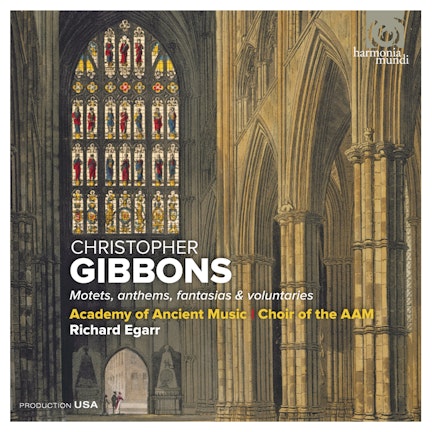
Christopher Gibbons: Motets, anthems, fantasias & voluntaries
Arvo Pärt: Musica Selecta - A Sequence By Manfred Eicher