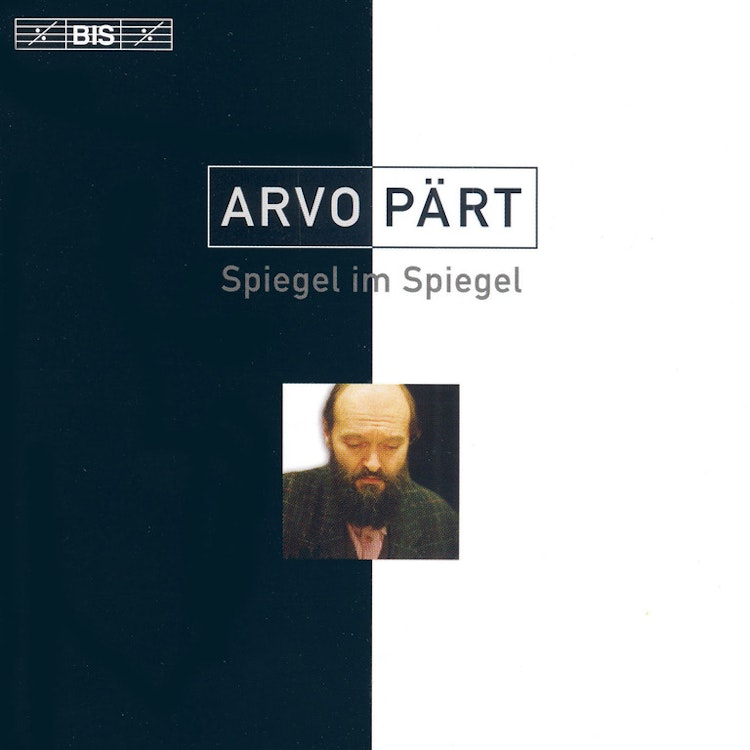
Between 1968 and 1976, Arvo Pärt's compositional output was almost non-existent, during which time he studied Gregorian Chant and early polyphonic music.
Composer's Artistic Vision
For Arvo Pärt, the merging of the triad and melody in tintinnabulation has religious connotations, symbolizing the union of 'daily egoistic life of sin and suffering' with the 'objective realm of forgiveness'.
Composition History
Arvo Pärt's Cantus in memory of Benjamin Britten, a work for string orchestra and one bell, was inspired by the death of Benjamin Britten, a composer Pärt admired for the 'unusual purity of his music'.
Compositional Technique
Tintinnabulation typically uses two main voices: a melodic voice and a triadic voice that arpeggiates a triad, creating a strong tonal center and captivating repetitiveness.
Composer's Artistic Vision
Arvo Pärt believes that newly composed Western art music can fulfill spiritual needs, not necessarily religious, and can be appreciated beyond its original contexts.
Historical Context
Arvo Pärt faced repression under Soviet rule, with his sacred cantata Credo banned for a decade and his name censored from radio broadcasts of his cello concerto Pro et Contra.
Compositional Technique
Arvo Pärt developed a compositional method called 'tintinnabulation,' derived from the Latin word for 'small tinkling bell,' which focuses on simplicity and the beauty of a single note.
You might also enjoy...
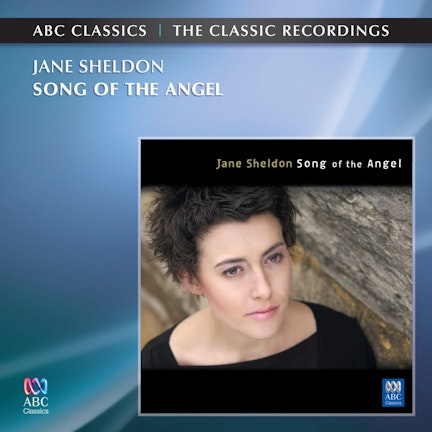
Song Of The Angel
Serenity - The Beauty Of Arvo Pärt
A Walk With Ivor Gurney
Adeste Fideles: Christmas Music From Around the World
Arvo Pärt Collection
Water Night
Igor Stravinsky: Late Works
Angeli: Music of Angels
High Flight
A Winter's Night
The Christmas Story
Liebesweisen: Geistliche und weltliche Bekenntnisse