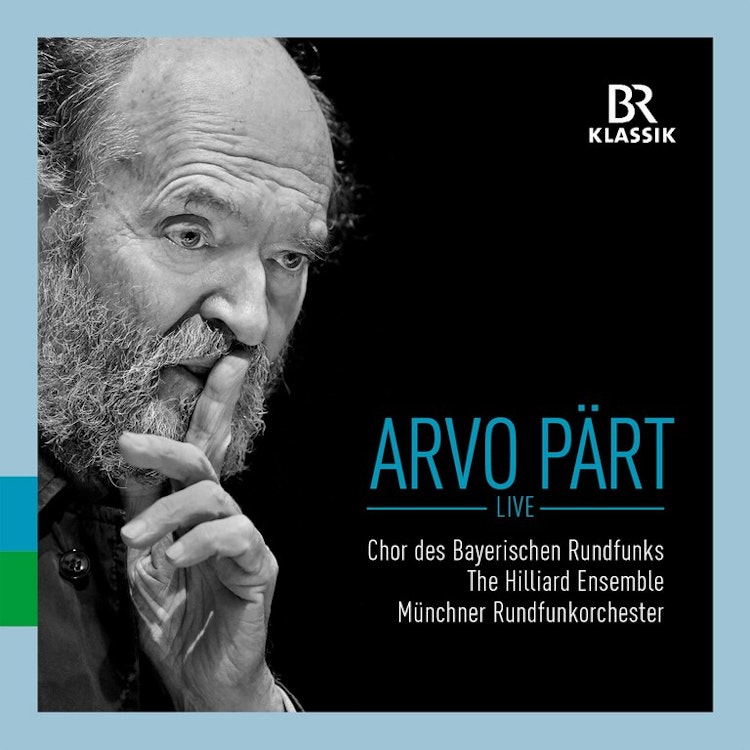
Arvo Pärt was forced to emigrate to the West in 1980 after his worldview and music increasingly conflicted with the communist regime.
Composer's Artistic Vision
Arvo Pärt's search for his own musical language led to an eight-year creative crisis (1968-1976) during which he studied Gregorian chant and Renaissance music.
Recording & Production
The Chor des Bayerischen Rundfunks, one of the performers on this album, received the ECHO Klassik award multiple times for recordings including works by Arvo Pärt.
Critical Reception
Arvo Pärt's tintinnabuli style, first heard in 1976, received both enthusiastic approval and criticism, with some accusing it of being too close to Minimal Music.
Compositional Technique
Arvo Pärt developed a unique compositional principle called 'tintinnabuli' (from Latin for 'bell'), first heard in 1976, which is based on the three notes of a triad.
Historical Context
Arvo Pärt's early compositions became a musical sensation in the late 1970s in the West, offering a message of peace during the Cold War.
Composer's Artistic Vision
Arvo Pärt believes a 'cosmic mystery' is hidden behind the art of connecting two or three notes, which he aimed to make musically comprehensible.
You might also enjoy...
Translations
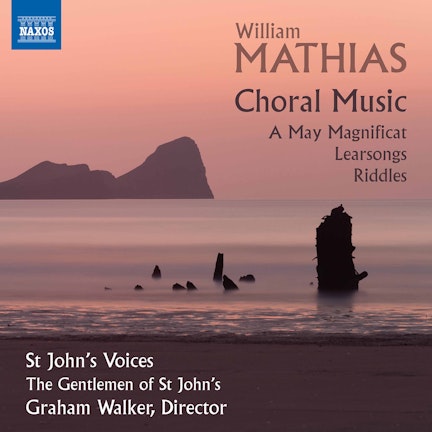
Mathias: Choral Music
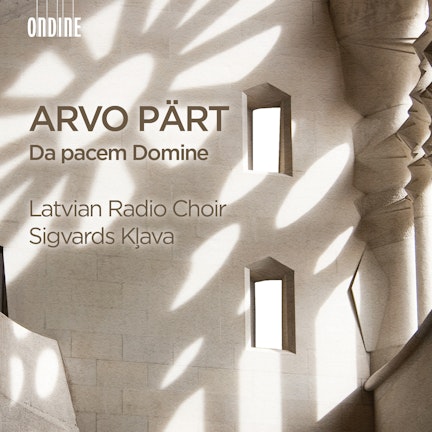
Arvo Pärt: Da Pacem Domine
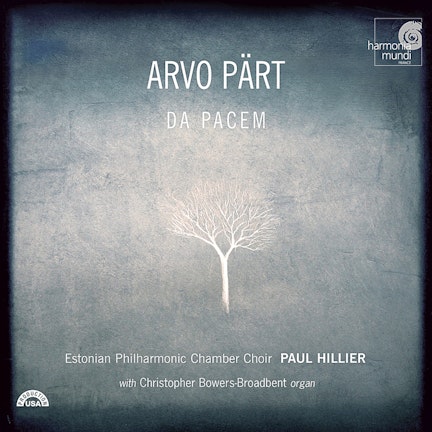
Arvo Pärt: Da pacem
Arvo Pärt: Da pacem
Part: Music for Unaccompanied Choir
All Angels: Choral Works by George Arthur
Andrew Anderson: Lenten Cantata & Other Choral Works