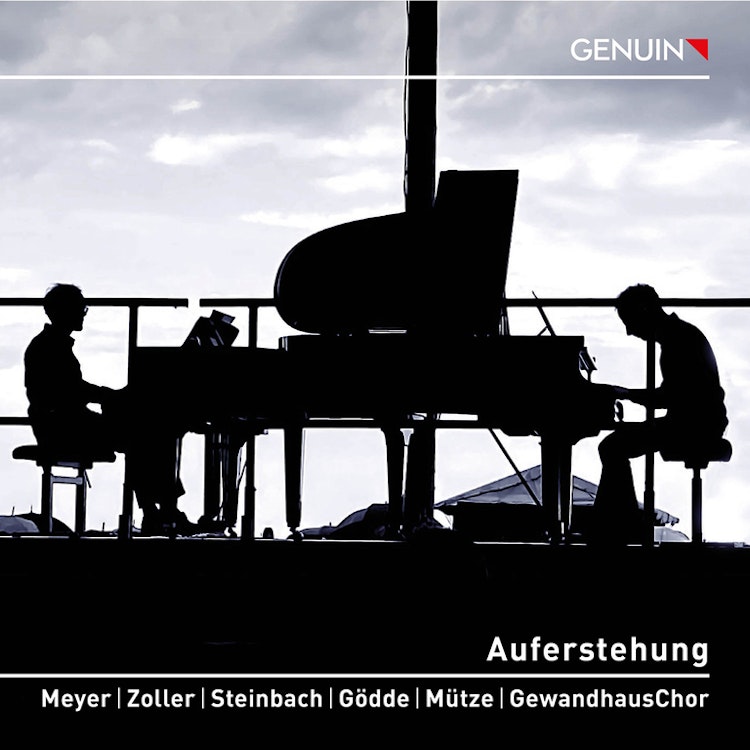
The recording was initially conceived as a 'therapeutic' project by Gregor Meyer and Walter Zoller during the COVID-19 pandemic, when choral life was severely restricted.
Composer's Artistic Vision
Mahler himself wrote six additional stanzas for the finale's text, including the emphatic line: 'I shall die, so as to live!'
Interpretation
This recording uses a 'pandemic-compliant' version of Mahler's Symphony No. 2, adapted for two soloists, chamber choir, trumpet, and flugelhorn, based on Bruno Walter's two-piano arrangement.
Composition History
Mahler's Symphony No. 2 began as a tone poem called 'Todtenfeier' (Funeral Rites) in 1888, inspired by a study by his friend, the poet and philosopher Siegfried Lipiner.
Performer Biography
The Gewandhaus Choir, led by Gregor Meyer, has a history of over 150 years and has collaborated with renowned conductors like Herbert Blomstedt, Riccardo Chailly, and Andris Nelsons.
Composer's Artistic Vision
Mahler described the 'Urlicht' (primeval light) movement as representing the soul's striving and questioning attitude toward God and its own immortality.
Composition History
The conclusion of Mahler's Symphony No. 2 was inspired by a choir intoning the Klopstock chorale 'Aufersteh'n!' at a memorial for Hans von Bülow, whose earlier criticism had deeply affected Mahler.
You might also enjoy...
Rachmaninoff: Suites for 2 Pianos
Slavonic Dances, Op. 46 & Op. 72 for Piano Four-Hands
Gouvy: Sonatas for Piano 4 Hands
Brahms: Four-Hand Piano Music, Vol. 4
Brahms: Four-Hand Piano Music, Vol. 10
Saint-Saëns: Piano Études, Opp. 52 & 111
The Koroliov Series, Vol. 8: Schubert – Works for Piano 4 Hands
Schubert: Works for Piano 4 Hands
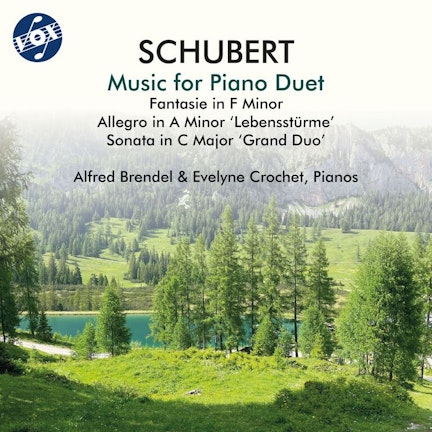
Schubert: Music for Piano Duet
Dvorák: Slavonic Dances
Schubert: Piano Works for Four Hands, Vol. 3
Schubert: Divertissement à la hongroise, D. 818: II. Marcia. Andante con moto
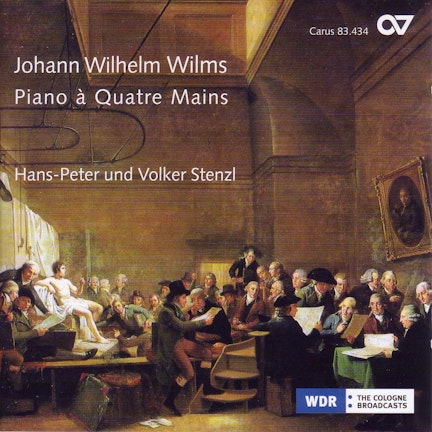
Wilms, J.W.: Sonatas for Piano 4 Hands - Opp. 31, 41
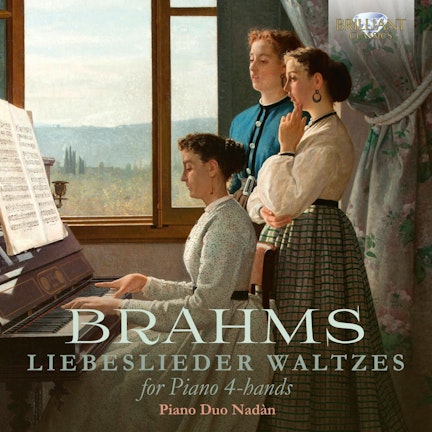
Brahms: Liebeslieder Waltzes for Piano 4-Hands
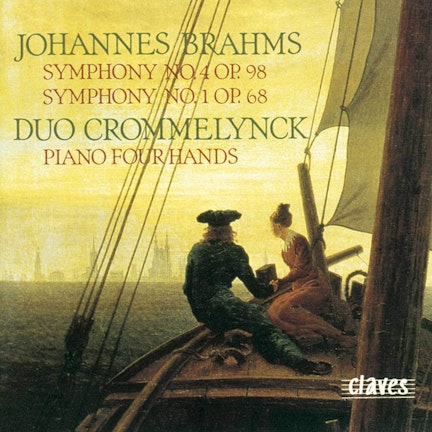
Brahms: Symphony No. 4 & No. 1 (Original Versions for Piano Four Hands)