After Felix Mendelssohn rediscovered Johann Sebastian Bach's music, many composers, including Robert Schumann, Franz Liszt, and Max Reger, composed works using the B.A.C.H motif to express their admiration.
Recording & Production
The album was recorded on two different historic organs: the Walcker organ of Riga Cathedral for Schumann, Liszt, and Reger, and the Silbermann organ of Saint-Pierre Le Jeune in Strasbourg for Bach.
Composer's Artistic Vision
The four notes of the B.A.C.H motif, B-flat, A, C, B-natural, form the symbol of the Cross when intertwined.
Interpretation
The album's structure, with a prelude as an 'entrance' and a fugue as an 'exit,' gives it the symbolic form of a liturgy.
Composition History
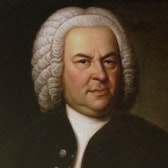
Johann Sebastian Bach included the B.A.C.H motif in the unfinished final counterpoint of his last work, The Art of Fugue, dying while composing it.
Performer Biography
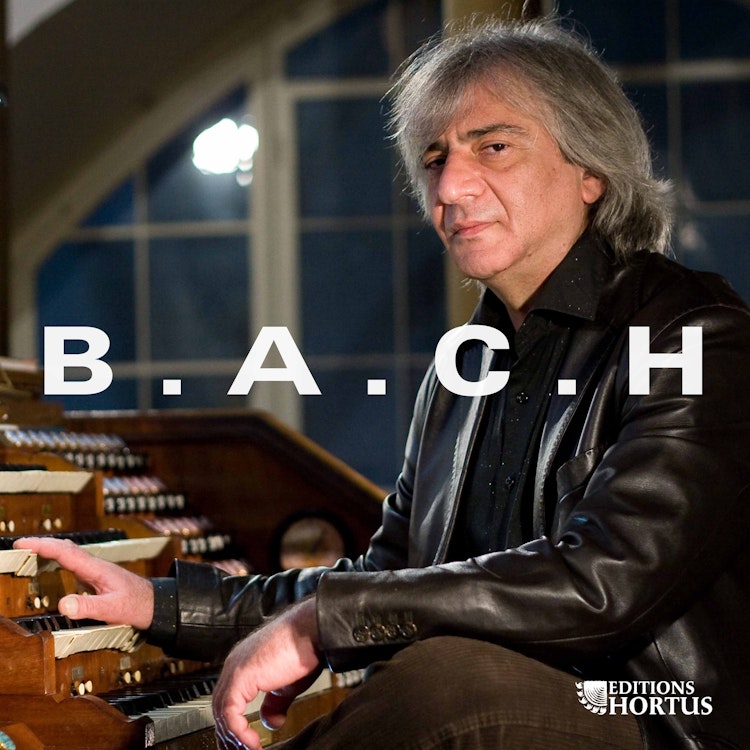
Édouard Oganessian, the performer, studied both piano and organ at the Tchaikovsky Conservatory in Moscow, and both instruments remain integral to his musical life.
Compositional Technique
The B.A.C.H motif, consisting of the notes B-flat, A, C, and B-natural in German musical notation, was used by Johann Sebastian Bach as a musical signature.
You might also enjoy...
Finlandia (Organ Imageries)
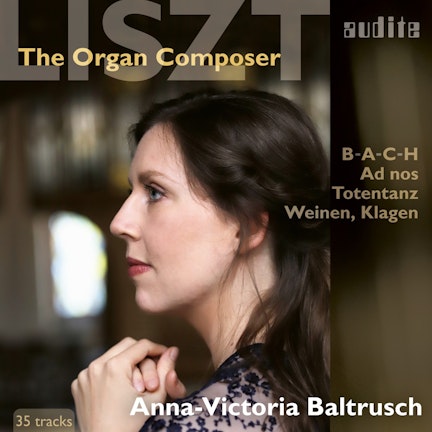
Liszt - The Organ Composer
Franck: Grandes œuvres pour orgue (À l'orgue de l'église Saint-Étienne de Caen)
César Franck: 12 pièces pour grand orgue
Langlais, J.: Symphonies Nos. 1 and 2 / Suite Francaise / Suite Breve / Poem of Happiness
Langlais: Works for Organ
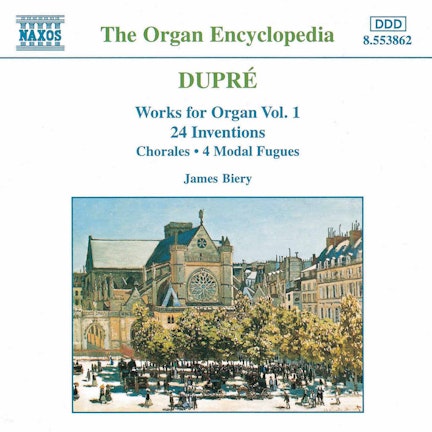
Dupre: Works for Organ, Vol. 1
New Music for Organ
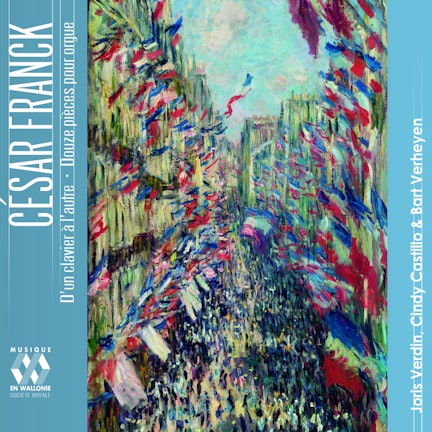
Franck: D'un clavier à l'autre. Douze pièces pour orgue
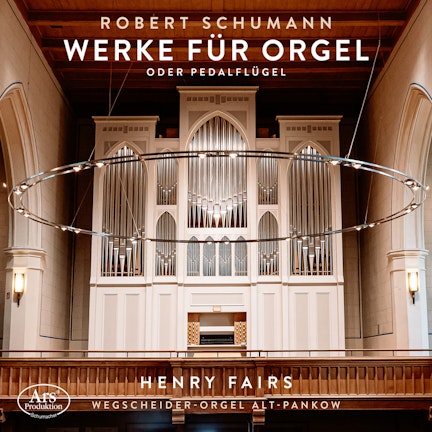
Robert Schumann: Organ Works Nos. 56, 58 & 60
Jeanne Demessieux - The Decca Legacy
Franck: In spiritum - Olivier Latry Plays César Franck