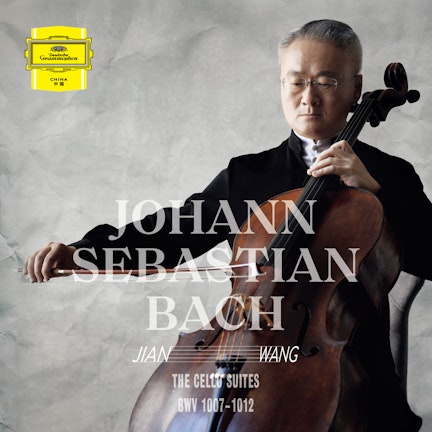
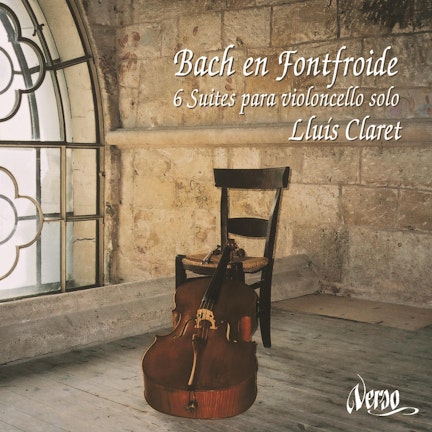
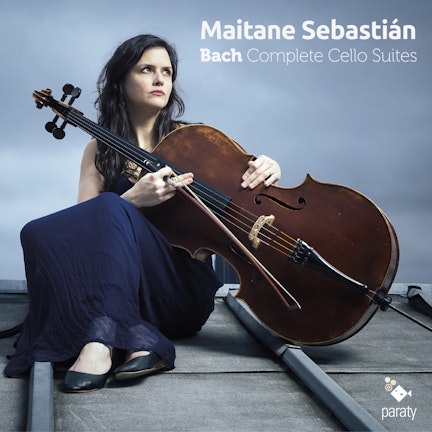
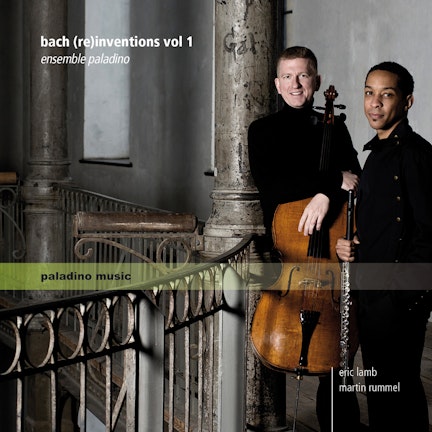
The legendary cellist Pablo Casals discovered Bach's Cello Suites in 1890 and began performing them around twelve years later, popularizing the music and securing its treasured place in the core repertoire.
Composition History
The exact date of composition for Bach's Cello Suites is unknown, but it is likely he worked on them between 1717 and 1723 during his time as Kapellmeister at Prince Leopold's Court in Cöthen.
Performer Biography
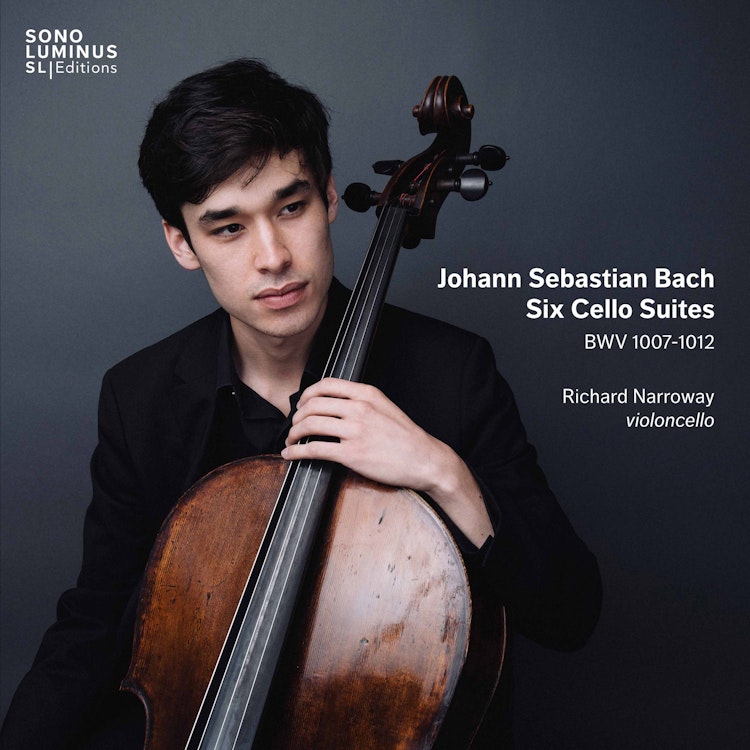
Richard Narroway, the cellist on this recording, won the Bach Award for the best interpretation of a Bach solo work at the 2010 Stulberg International String Competition.
Critical Reception
Bach's Cello Suites were virtually unheard for almost two centuries after their composition, and even those who knew them considered them mere technical exercises.
Historical Context
Before the early eighteenth century, the cello was primarily a background instrument, providing bass lines and simple accompaniment, making Bach's six suites for solo cello a groundbreaking accomplishment.
Compositional Technique
Bach's original autograph manuscript for the Cello Suites has been lost, meaning cellists must decipher his intentions through four 18th-century copies, including one by his second wife, Anna Magdalena.
Instruments
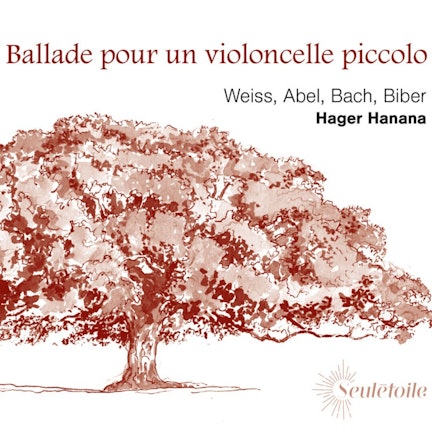
It is unknown which five-stringed instrument Bach intended for Suite VI, with possibilities including a violoncello piccolo, a viola pomposa (which Bach is credited with inventing), or a normal-sized five-string violoncello.