The Partitas artfully conceal a rigorous construction based on number theory and intervallic relationships, determining the entire musical discourse in harmony, melody, and rhythm.
Performer Biography
Christopher Czaja Sager, the pianist on this recording, studied at the Juilliard School with Rosina Lhevinne and had postgraduate master studies with Alfred Brendel, György Sebök, and Earl Wild.
Composer's Artistic Vision
These Partitas sum up all of J. S. Bach's 'ideas' for keyboard writing and reveal his personal method of composing, comparable to his earlier Cello Suites and Violin Sonatas and Partitas.
Composer Biography
Bach's compositional approach, characterized by its unique integration of musical parameters through number symbolism, was considered unsurpassed until Arnold Schoenberg and his heirs in the 20th century.
Composition History
Bach's Six Partitas, the 'First Part of the Clavierübung', were initially published as separate editions between 1726 and 1730, then as a complete collection in 1731.
Performer Biography
Christopher Czaja Sager has a broad, eclectic, and provocative repertoire, ranging from 18th-century Viennese-London School programs to chamber music by Samuel Barber and evenings of Scriàbine-Schoenberg.
You might also enjoy...
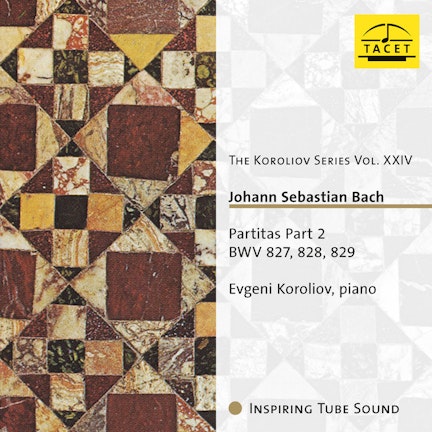
The Koroliov Series Vol. XXIV. J. S. Bach: Partitas Part 2
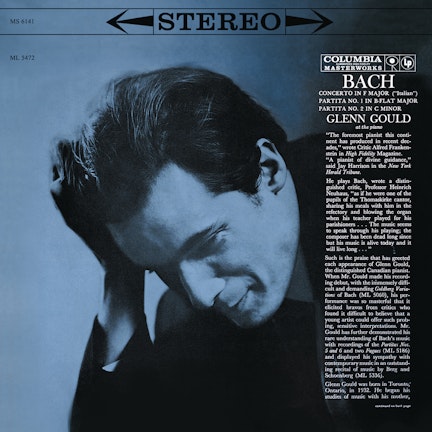
Bach: Italian Concerto in F Major, BWV 971; Partitas Nos. 1 & 2, BWV 825 & 826 - Gould Remastered
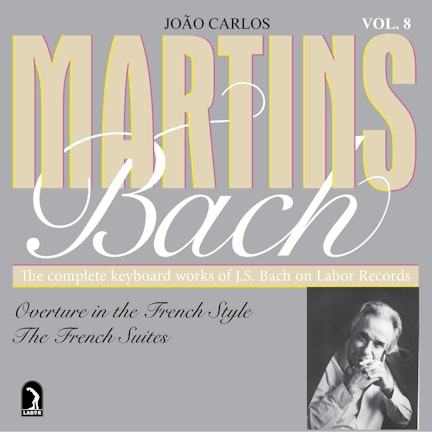
Bach, J.S.: French Suites Nos. 1-6 / Overture (Partita) in the French Style