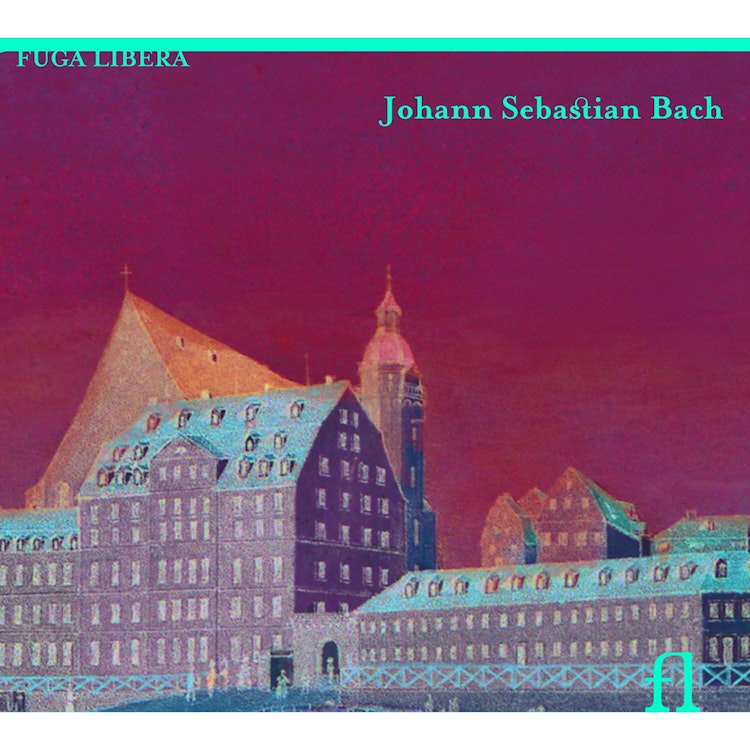
Bach: 6 Sonaten für Orgel in Bearbeitungen für 2 Klaviere zu 4 Händen
10/7/2010, 19 Tracks, 1:17:25
Featuring
Claudine Orloff
Burkard Spinnler
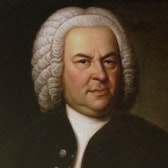
Johann Sebastian Bach
Did you know?
1/7
Composition History
Johann Sebastian Bach completed his six trio sonatas in 1730 to provide his favorite son, Friedemann, then 20, with the best works to complete his musical training.
Critical Reception
Musicologists like Albert Schweitzer and Karl Geiringer praised Bach's trio sonatas, with Geiringer comparing their historical importance to Chopin's piano studies.
Instruments
Many instrument makers in Bach's time created pedal-boards adapted for clavichords, harpsichords, and pianofortes, allowing organists to practice at home instead of in often cold churches where organ bellows required constant manual labor.
Recording & Production
This album features a collection of transcriptions for two modern grand pianos by notable transcribers from the 19th and 20th centuries, many of which are first recordings on CD.
Performer Biography
Claudine Orloff and Burkard Spinnler, the duo on this recording, are dedicated explorers of the two-piano and piano four-hands repertoire, having performed extensively and commissioned new works.
Historical Context
The year 1730 was a transitional period for keyboard instruments, with German Baroque organs at their peak, but also various stringed keyboard instruments like harpsichords, clavichords, and pianofortes gaining popularity in homes and concert halls.
Compositional Technique
Bach adapted the Italian trio sonata tradition, a typical Baroque chamber music form, into a concerto-like structure with three fast-slow-fast movements, uniquely dedicating it to the keyboard instrument with pedals.
You might also enjoy...
J.S. Bach: French Suites & Overture in the French Style
Un homme de concert, Vol. 4: Sviatoslav Richter
J. S. Bach: Sämtliche Klavierwerke V: Englische Suiten
Johann Sebastian Bach: The English Suites
The Koroliov Series, Vol. 10
Bach, J.S.: English Suites Nos. 1-3, Bwv 806-808
Bach, J.S.: French Suites, Bwv 812-817
J.S. BACH: The English Suites
Bach: Ouvertüre nach Französischer Art, BWV 831 / Sarabande con Partite, BWV 990 / Englische Suite Nr. 6 d-Moll, BWV 811