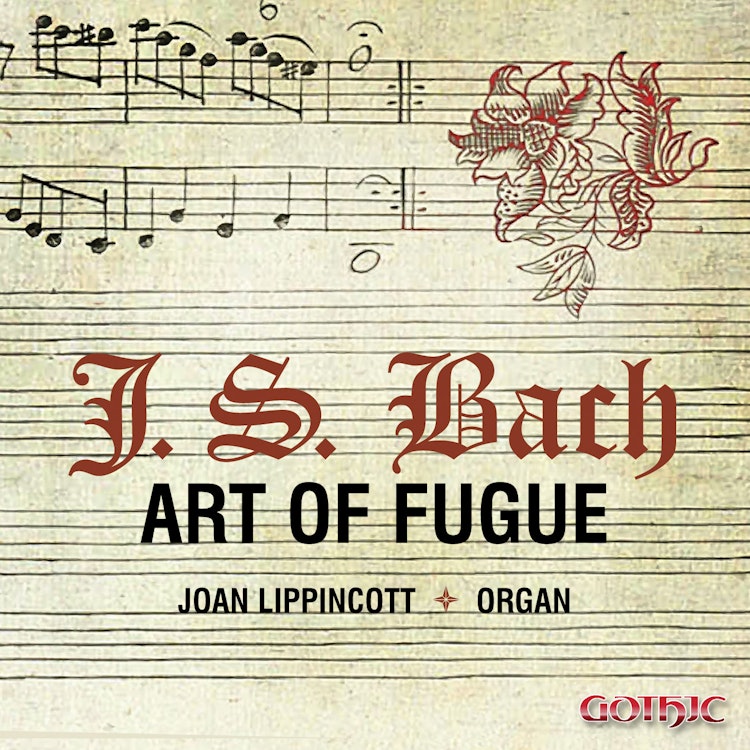
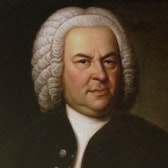
J.S. Bach, a keyboard player, composer, and cantor of the St. Thomas School in Leipzig, chose to instruct through practical examples rather than lengthy written descriptions.
Compositional Technique
The Art of Fugue is based on a single principal subject, which is gradually varied and supplemented with additional subjects and countersubjects across its fourteen fugues and four canons.
Instruments
The Craighead-Saunders Organ in Christ Church, Rochester, used for this recording, is a reconstruction of the 1776 organ by Adam Gottlob Casparini in Vilnius, Lithuania.
Composition History
J.S. Bach began The Art of Fugue around 1740, intending it as a manual to systematically illustrate the possibilities of imitative counterpoint.
Critical Reception
The initial publication of The Art of Fugue did not sell well, with only 30 copies sold by 1756, and it only received proper recognition in the 19th century.
Performer Biography
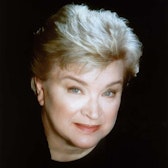
Joan Lippincott, the organist on this recording, is known for her Bach recordings and was the principal university organist at Princeton University from 1993-2000.
Composition History
J.S. Bach's blindness from cataracts forced him to stop work on The Art of Fugue before he could complete the final quadruple fugue and definitively order the pieces.
You might also enjoy...
Praetorius: Organ Music
The Invisible EP
Frescobaldi: Il primo libro di capricci
La Hèle: Missa Praeter rerum seriem: I. Kyrie
R. Schumann: Myrthen, Op. 25: No. 1, Widmung (Arr. for Cello by Tatsuki Sasanuma)