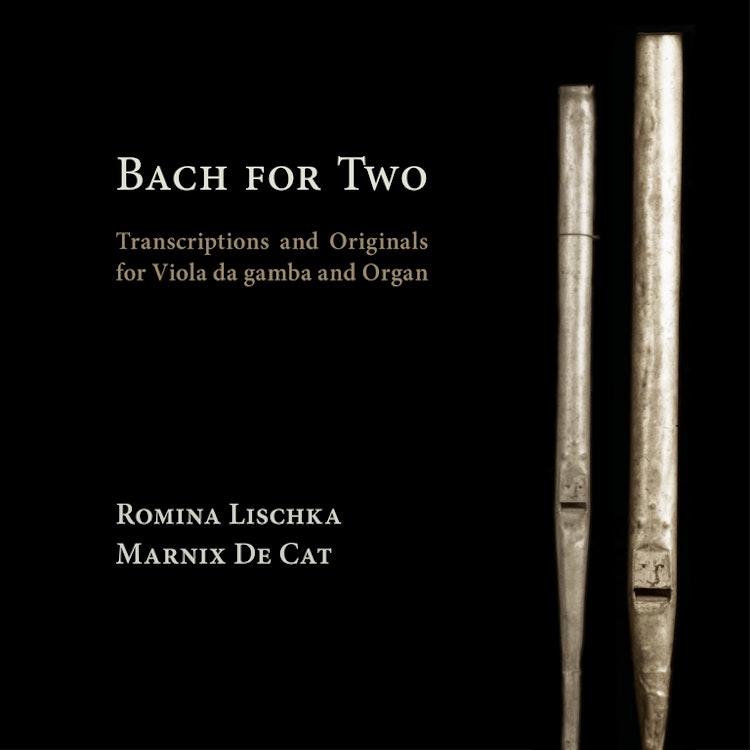
Both the organ and the viola da gamba were considered instruments that could most closely imitate the human voice due to their unique timbres.
Composition History
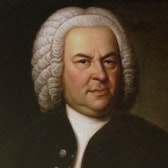
The first movement of Bach's Organ Sonata IV in E Minor (BWV 528) was a trio that Bach himself reused as a Sinfonia in his 1723 cantata, Die Himmel erzählen die Ehre Gottes (BWV 76).
Recording & Production
The recording was made in the church in Kettenis, Belgium, using an organ built by the Thomas organ firm, chosen for its intimate sound and the church's less resonant acoustic.
Interpretation
The performers began this project by playing Bach's three sonatas for viola da gamba at home with a positive organ, a practice that existed in the early 18th century.
Composition History
Bach's six organ sonatas, compiled in the late 1720s, include movements that are reworkings of earlier material from cantatas, organ works, and chamber music.
Compositional Technique
Bach's organ sonatas were considered both chamber music works and technical practice material for keyboard players, and copies exist for two harpsichords.
Compositional Technique
Bach's chorale trio on Allein Gott in der Höh sei Ehr (BWV 676) showcases a perfect balance between mathematical form and imaginatively creative polyphonic lines, imitations, canon, and mirroring.
You might also enjoy...
Russian Medieval Chant
The Other Half of Music
Works for Bassoon & Organ
Derfor Kan Vort Øje Glædes - En Hyldest Til Carl Nielsen
Klengel: Complete Concertinos for Cello & Piano
GAIA Music Festival 2014: Music of Bridge & Britten (Live)
Soul of the Tango
ESPERANZA: A JOURNEY OF HOPE
Panorama
L'arpa di Partenope
Mozart Contemporaries: 18th Century Music for Bassoon