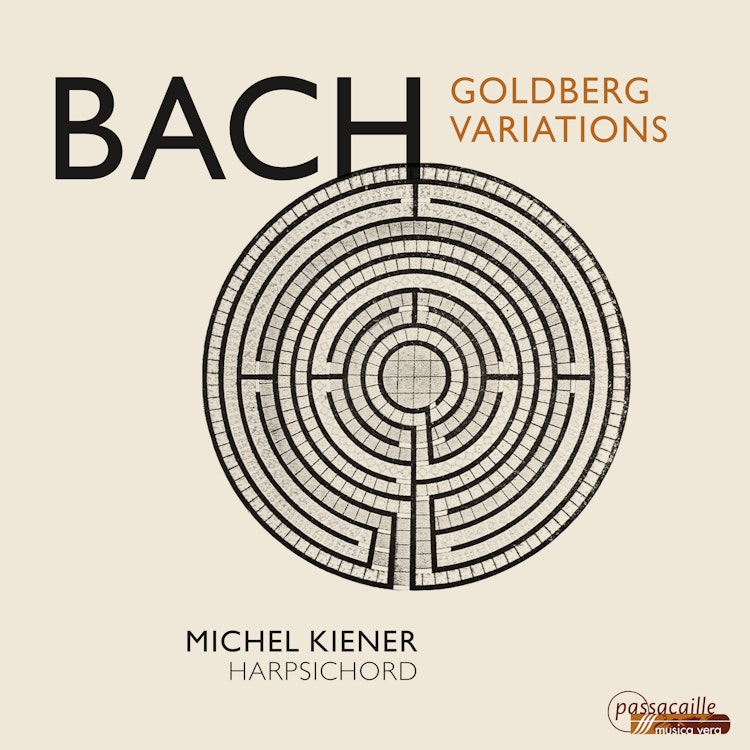
The Goldberg Variations are structured in ten groups of three, with the third variation in each group being a canon where the interval between the upper parts increases progressively.
Instruments
Michel Kiener performs on a harpsichord made by William Dowd in 1978, modeled after a Blanchet instrument from 1730.
Performer Biography
Michel Kiener, the harpsichordist on this recording, studied piano and harpsichord at the Geneva Conservatory, winning the prize for virtuosity in both disciplines.
Composition History
The Goldberg Variations were published as the fourth part of Bach's Clavier-Übung by Balthasar Schmid in Nuremberg in 1741 or 1742.
Compositional Technique
The 16th variation, located at the center of the Goldberg Variations, is transformed into a French Ouverture followed by a fugue, dividing the work into two equal sections.
Composer's Artistic Vision
The Goldberg Variations were intended as a 'Gradus ad Parnassum' (a step to Parnassus), a didactic work where technical and musical challenges increase progressively.
Compositional Technique
Instead of a final canon, Bach unexpectedly includes a quodlibet in the Goldberg Variations, combining the opening Aria with two Thuringian folk songs.
You might also enjoy...
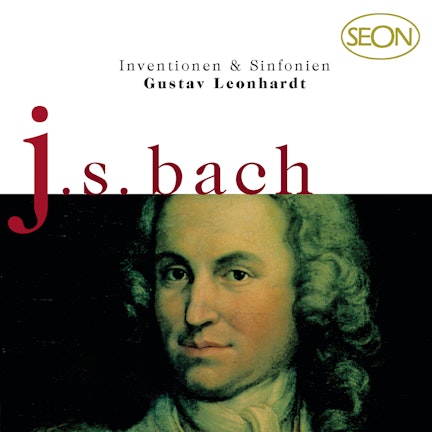
Bach : Inventions & Sinfonias
Jacques Duphly: Troisième Livre de Pièces de Clavecin
Bach: Inventions & Sinfonias, BWV 772-801
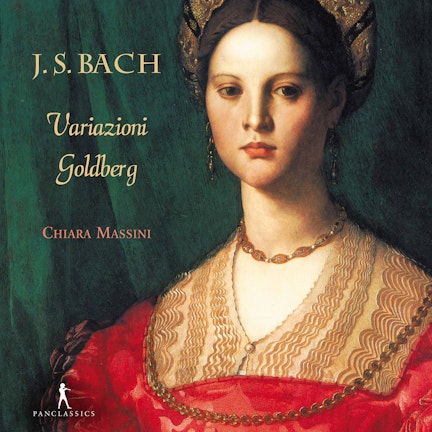
J.S. Bach: Goldberg Variations, BWV 988
Bach: Inventionen & Sinfonien, BWV 772-801
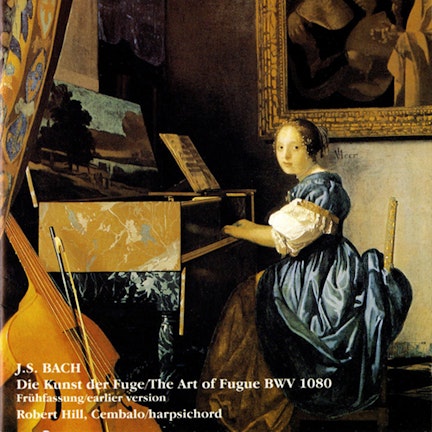
Bach: The Art of Fugue BWV 1080
Bach: Harpsichord Partitas, BWV 825-830
Handel Edition, Vol. 4
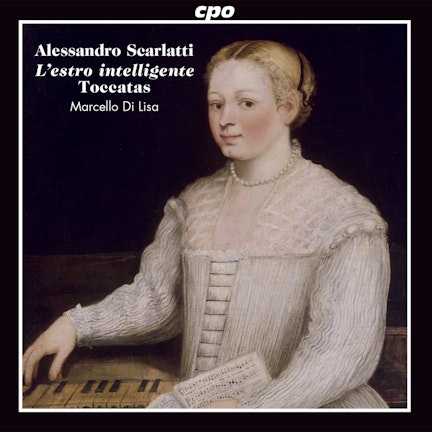
Scarlatti: Toccatas & Keyboard Works
The Italianate Bach - At His Best, Vol. 2
Bach, J.S.: Suite in A Minor / Aria Variata in A Minor / Bach, C.P.E.: Allegretto Con Variazioni