The variations are organized into groups of three, with every third variation being a canon where the upper two voices engage in exact imitation, progressing from a unison to a ninth.
Critical Reception
Wanda Landowska, who made the first recording of the 'Goldberg' Variations in 1933, lamented that the public's eagerness to hear the work was driven by curiosity to see a virtuoso tackle a difficult piece, rather than love for the music itself.
Composition History
The 'Goldberg' Variations were purportedly commissioned by Count Keyserlingk, the Russian ambassador to the court of Dresden, to be played by his young harpsichordist Johann Gottlieb Goldberg during sleepless nights.
Composition History
Bach initially considered variations an "ungrateful task" due to the constant sameness of the fundamental harmony, but these 'Goldberg' Variations became a model of the form under his hand.
Compositional Technique
The 'Goldberg' Variations are built on the bass line and implied harmonies of the opening Aria, rather than its melody, maintaining a consistent harmonic structure throughout the thirty variations.
Compositional Technique
The final Variation 30 is a Quodlibet, a musical joke combining two popular folksongs, reflecting the Bach family's tradition of improvising such pieces at gatherings.
Composer Biography
Johann Gottlieb Goldberg, the harpsichordist for whom the variations were supposedly written, was a prodigious virtuoso who could read anything at sight, even if the score was upside down.
You might also enjoy...
Bach: Goldberg Variations, BWV 988
50 Variations on a Waltz by Diabelli
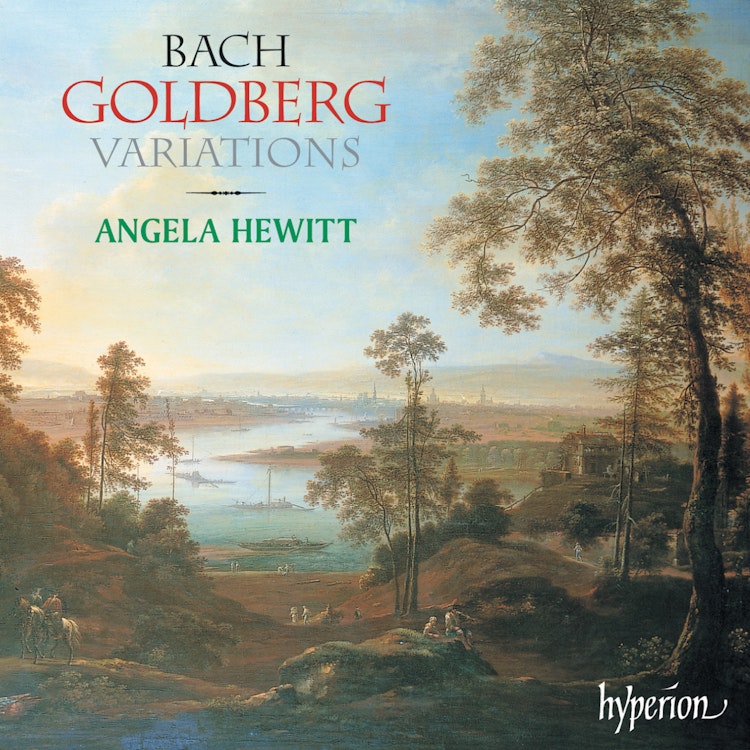
Bach: Goldberg Variations
Bach: Goldberg Variations
Bach: Goldberg Variations, BWV 988
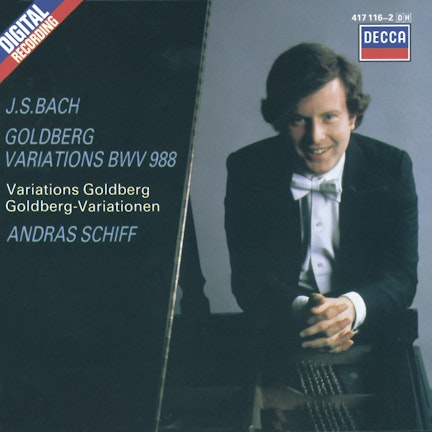
Bach: Variations Goldberg
Beethoven: 9 Variations on Paisiello's "Quant'è più bello", WoO 69