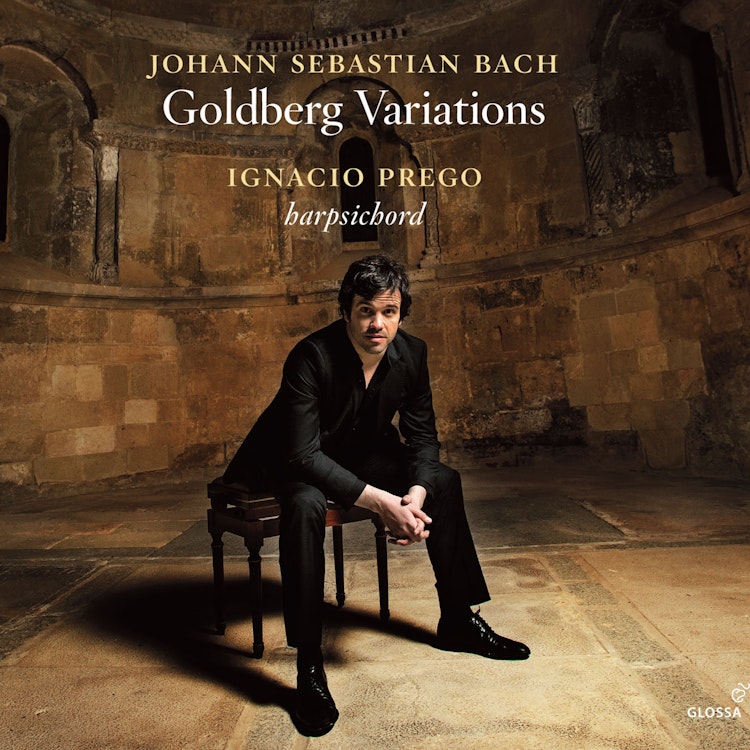
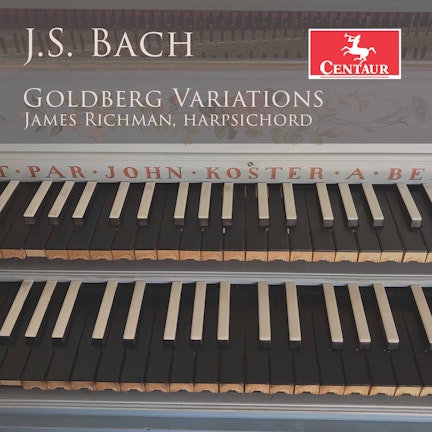
The Goldberg Variations were designed for a two-manual harpsichord, allowing the performer's hands to cross and interweave the contrasting sounds of the two keyboards.
Compositional Technique
The final variation, 'Quodlibet', connects to a composition Bach wrote as a young man and quotes popular tunes, echoing improvised quodlibets sung at Bach family gatherings.
Composition History
The Goldberg Variations were originally published in 1741 under the title 'Aria With Thirty Variations For Two-Manual Harpsichord'.
Cultural Impact
Bach's Goldberg Variations created a transcendent model for future composers, including Beethoven, Liszt, and Frederic Rzewski.
Compositional Technique
Bach organizes the Goldberg Variations into groups of three, with every third variation being a canon, the strictest of contrapuntal forms.
Compositional Technique
Unlike many variations, the Goldberg Variations are based not on a melodic theme, but on an underlying bass line and its implied chord progression.
Composition History
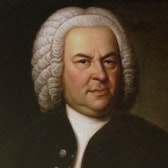
According to Bach's early biographer Forkel, the Goldberg Variations were composed for Johann Gottlieb Goldberg, a child prodigy and pupil of Bach, to play for his patron Carl von Keyserlingk during sleepless nights.
You might also enjoy...
J.S. Bach: Six Partitas for harpsichord (Clavier Übung I) BWV 825-830
Bach: French Suite No. 5 in G Major, BWV 816: I. Allemande