The unfinished state of the final fugue in The Art of the Fugue is interpreted as Bach staging his own death, leaving a "spectacular blank page" as a legacy for future interpreters.
Compositional Technique
The third theme of the Quadruple fugue (Counterpoint XIV) spells out B-A-C-H (Si bémol - La - Do - Si bécarre) according to Germanic music notation, serving as the composer's signature.
Compositional Technique
The final fugue, Counterpoint XIV, is notable for the absence of The Art of the Fugue's principal theme, which Bach likely intended to re-expose in the missing measures.
Performer Biography
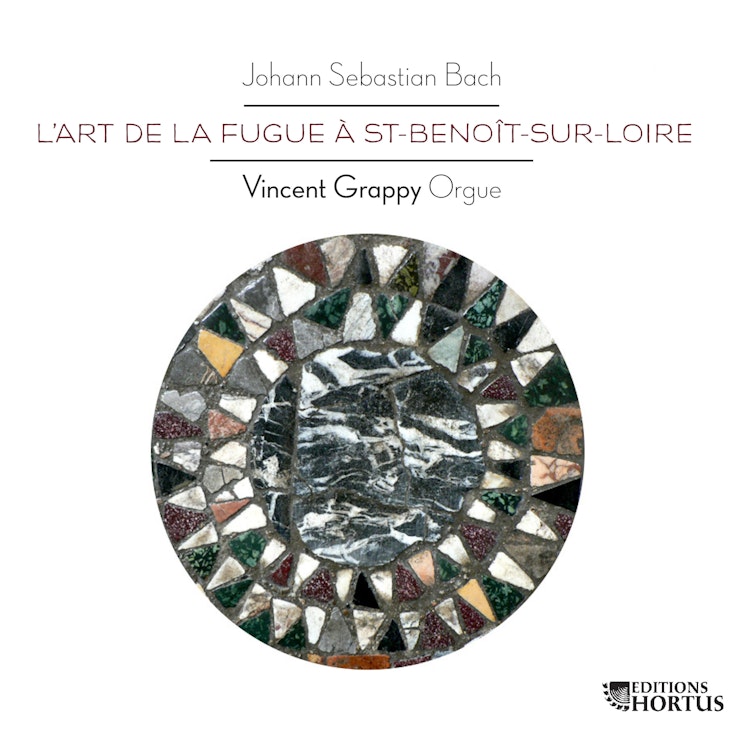
Vincent Grappy, the organist on this recording, is a laureate of international organ competitions in Paris (2002) and Chartres (2004), which launched his professional career.
Composition History
J. S. Bach composed a first version of The Art of the Fugue between 1742 and 1745, later modifying it significantly to be his testamentary work.
Composition History
The first edition of The Art of the Fugue was published in 1751, a year after J. S. Bach's death, and appeared to be incomplete and contain numerous errors.
Instruments
The Sals organ at Saint-Benoît-sur-Loire, rebuilt in 1983 by Alain Sals, was designed with a resolutely polyphonic aesthetic well-suited to German Baroque repertoire, including Bach's contrapuntal writing.
You might also enjoy...
Capriccio in B Major, BWV 992, 4
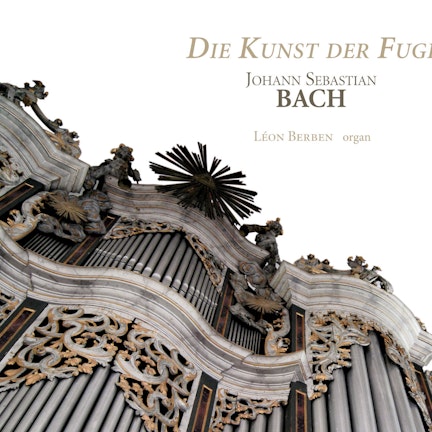
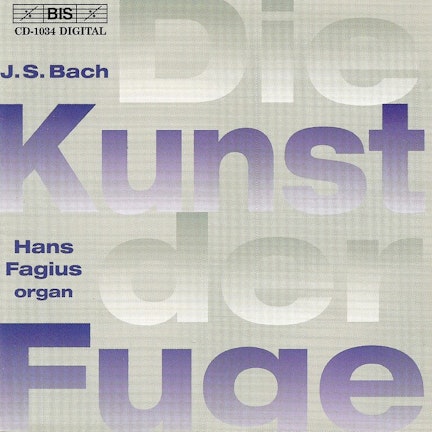
Bach: Die Kunst der Fuge
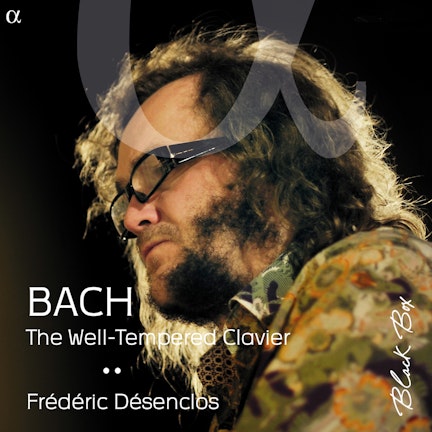
Bach: The Well-Tempered Clavier
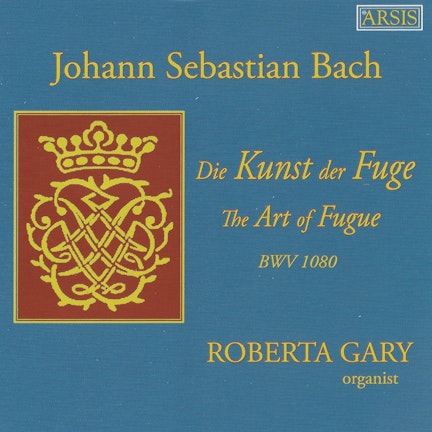
Bach: Die Kunst der Fuge, BWV 1080
Bach, J.S.: Kunst Der Fuge (Die) (The Art of Fugue), Bwv 1080
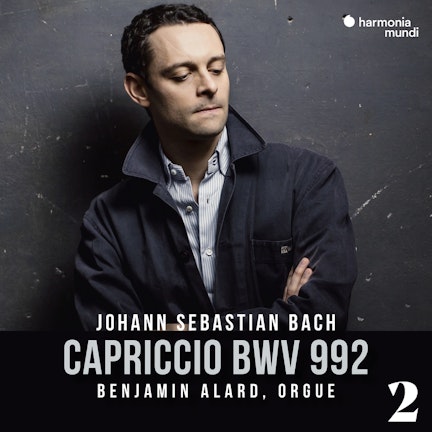
Capriccio in B Major, BWV 992, 2
Salvatore: Ricercari, canzoni, toccate
Bach: Die Kunst der Fuge
Frescobaldi: Organ Works
Frescobaldi: Fiori musicali e brani tratti dal Secondo Libro di Toccate (All'organo della basilica di San Bernardino de L'Aquila)