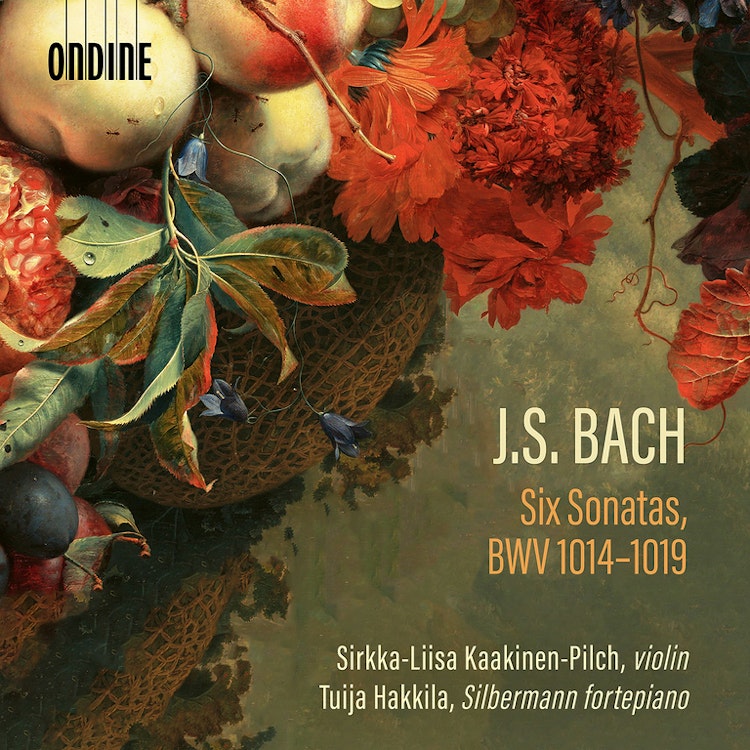
J.S. Bach's sonatas for violin and harpsichord (BWV 1014-19) feature an 'obbligato' keyboard part, elevating the keyboardist from accompanist to an equal partner with the violinist.
Historical Context
C.P.E. Bach, J.S. Bach's second son, was crucial in preserving and promoting his father's music, sending copies of these sonatas to J.S. Bach's first biographer, Johann Nikolaus Forkel.
Recording & Production
This album was recorded in April 2022 at Karjaa Church in Finland, with Matti Heinonen of Pro Audile Oy as the recording engineer.
Performer Biography
Sirkka-Liisa Kaakinen-Pilch, the violinist on this album, plays a Baroque violin made by Giovanni Battista Rogeri in Brescia in 1691, owned by the Finnish Cultural Foundation.
Interpretation
C.P.E. Bach likely performed these sonatas on the fortepiano, a keyboard instrument capable of dynamic expression that enhanced the 'singing qualities' he admired in the slow movements.
Instruments
J.S. Bach examined early fortepianos by Gottfried Silbermann, admiring their tone but initially criticizing their heavy action; Silbermann later improved them to Bach's satisfaction.
Composer's Artistic Vision
All but the last of Bach's six sonatas for violin and harpsichord (BWV 1014-19) begin with slow movements of intense feeling, emphasizing emotion and implication.
You might also enjoy...
Golden Violin
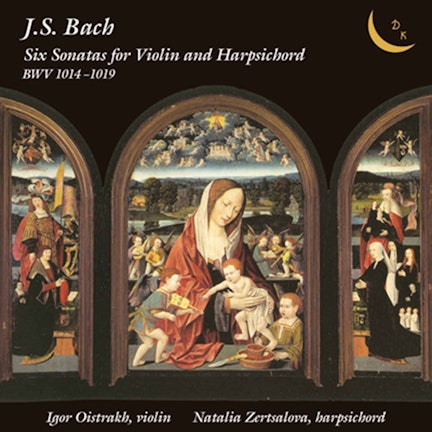
Bach: 6 Sonatas for Violin & Harpsichord, BWV 1014-1019
Bach: Violin Sonatas Nos. 1-6, BWVV 1014-1019
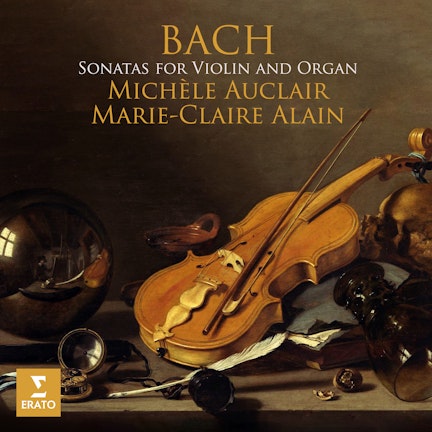
Bach: Sonatas for Violin and Organ, BWV 1014 - 1019
Bach: Sonatas for Harpsichord and Violin, BWV 1014-1019
Golden Violin vol.1
Bach: Sonats for Violin and Harpsichord Nos. 1-3
Johann Sebastian Bach: Sonatas for Violin & Harpsichord Vol. 1
Bach Sonatas BWV 1014-1019
Bach: Violin Sonatas, BWV 1014-1019
Bach: Sonatas for Violin and Harpsichord, BWV 1014 - 1019