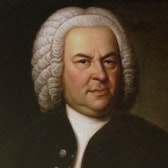
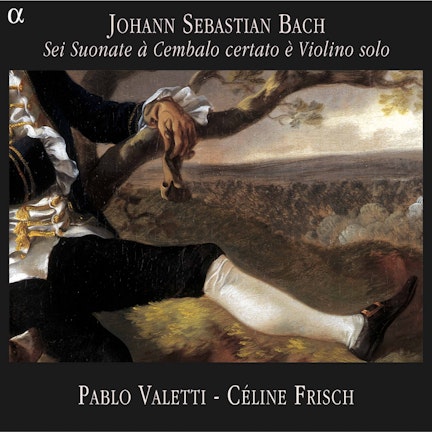
C.P.E. Bach, the composer's son, considered these Six Sonatas for Violin and Harpsichord among his father's best works, finding them still excellent and joyful over fifty years later.
Historical Context
During his Cöthen years, J.S. Bach produced a brilliant array of non-vocal works, including the Brandenburg Concertos, Orchestral Suites, and The Well-Tempered Clavier (Book 1), due to Prince Leopold's dedication to music and the Calvinist court chapel.
Compositional Technique
The fast movements of these sonatas are characterized by Hans Eppstein as either 'tutti fugues,' which are traditional but with a coupled bass voice, or 'concerto allegros,' where all voices enter at once.
Critical Reception
Musicologist Peter Williams describes these sonatas as 'a newly created genre with a distinct aura, music not quite like anything else,' highlighting their unique originality.
Composer Biography
J.S. Bach composed these sonatas during his time as court Kapellmeister in Cöthen, a period when he focused on instrumental music because he was not required to write church cantatas.
Compositional Technique
Bach experimented greatly with texture in the slow movements, including instances like the violin remaining silent until a gradually emerging held-note, or the harpsichord and violin playing in strict canon.
Compositional Technique
These sonatas mark an early shift from the traditional Baroque trio sonata, with the harpsichord (often marked obbligato) becoming a front-stage partner to the violin, contributing its own contrapuntal voice.
You might also enjoy...
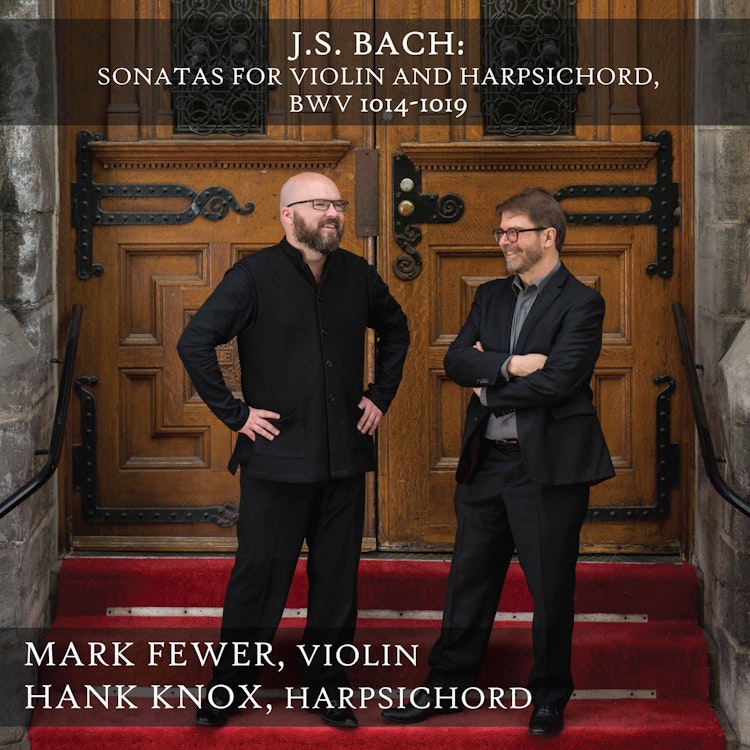
Bach: Sonatas for Harpsichord and Violin, BWV 1014-1019
J. S. Bach: Sonatas for Violin and Harpsichord
Bach, J.S.: Complete Violin Sonatas
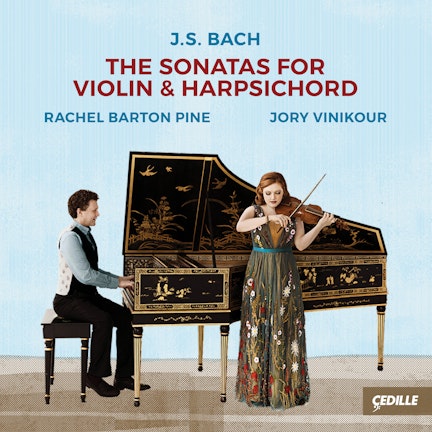
Bach: The Sonatas for Violin & Harpsichord
Bach: Violin Sonatas Nos. 1-6, BWVV 1014-1019
Bach: Sonates pour violon obligé et clavecin, BWV 1014-1019 (Alpha Collection)
J.S. Bach: Works for Violin and Keyboard, Vol. 2
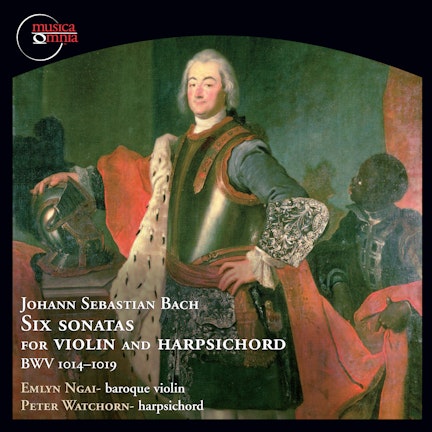
Bach: Six Sonatas for Violin and Harpsichord, BWV 1014-1019
Bach: Sonats for Violin and Harpsichord Nos. 4-6 & Chaconne from Partita for Solo Violin No. 2 in D Minor, BWV 1004