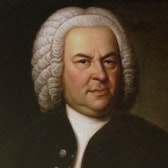
Johann Sebastian Bach's life was less adventurous than some contemporaries, but he traveled extensively within Germany, taking on various professional roles.
Composition History
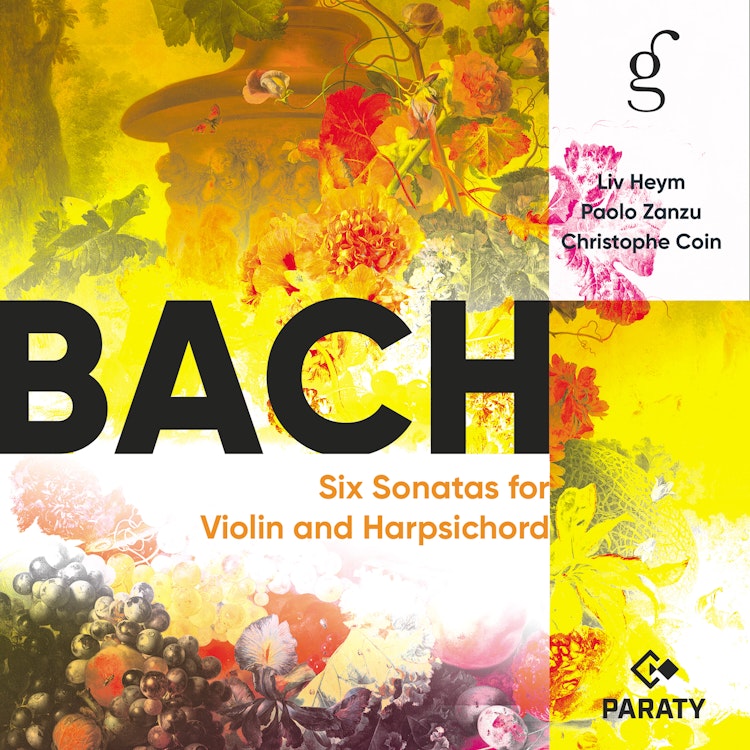
Bach composed these six Sonatas for violin and obbligato harpsichord between 1718 and 1722, during his time as Kapellmeister for the music-loving Prince of Anhalt-Cöthen.
Instruments
A fortepiano by Kerstin Schwarz, after Gottfried Silbermann's 1749 instrument, was used for two sonatas, a choice implicitly supported by Carl Philipp Emanuel Bach's comments on the sonatas' enduring appeal.
Composition History
The collection of six sonatas may have been assembled by copyists, as the sixth sonata stands apart in its style and form, having undergone numerous revisions until 1749.
Interpretation
The performers chose to use keyboards from different German regions, reflecting Bach's own practice of visiting workshops and playing diverse instruments during his travels.
Compositional Technique
These sonatas are innovative because the harpsichord plays two of the three voices, moving beyond its traditional accompanying role to take center stage.
Interpretation
A viola da gamba, an instrument the Prince of Anhalt-Cöthen played, was added to certain sonatas to enhance their character and polyphony, based on a 1725 manuscript indicating its optional inclusion.
You might also enjoy...
Toccatas: Modern American Music for Harpsichord
Seixas, C. De: Keyboard Sonatas - Nos. 4, 5, 6, 7, 10, 12, 13, 14, 50, 76