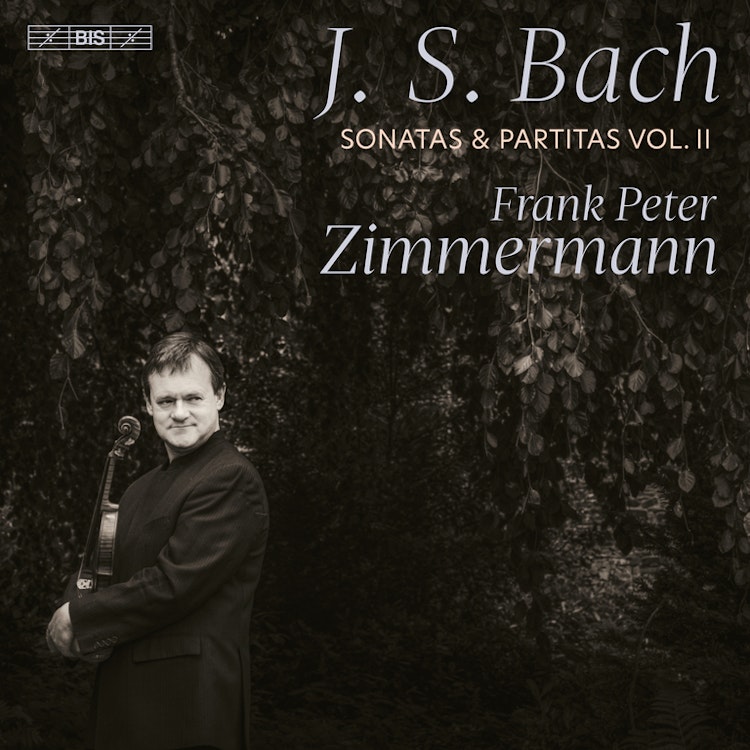
Frank Peter Zimmermann, a renowned violinist, performs on the 1711 Antonius Stradivari violin 'Lady Inchiquin,' provided by the Kunstsammlung Nordrhein-Westfalen, Düsseldorf.
Compositional Technique
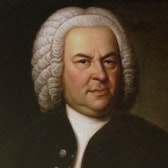
Unlike most of Bach's other sets of six works, the "Sei solo" is a coherent cycle planned from the outset, with the keys spanning all diatonic steps from G to E.
Compositional Technique
The "Sei solo" works exhibit intricate numerical proportions; for example, the first Partita, BWV 1002, is twice as long as the first Sonata, BWV 1001, when including all repetitions.
Composer's Artistic Vision
Bach's "Sei solo" stands out because it lacks a basso continuo, requiring a single player to perform the entire piece on only four strings, with individual notes outlining the underlying harmony.
Composition History
Bach likely worked on his violin pieces in Karlsbad in the summer of 1720, while accompanying his employer, Prince Leopold of Anhalt-Köthen, to the fashionable spa.
Composition History
The main source for Bach's "Sei solo a Violino senza Basso accompagnato" is a meticulous fair copy in Bach's own hand, dated 1720.
Critical Reception
Carl Philipp Emanuel Bach, the composer's son, noted in 1774 that a great violinist considered his father's solo violin works "nothing more perfect for becoming a good violinist."
You might also enjoy...
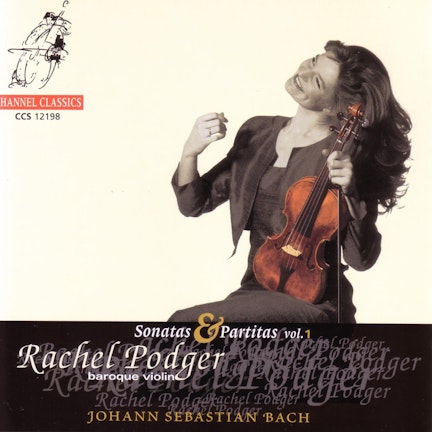
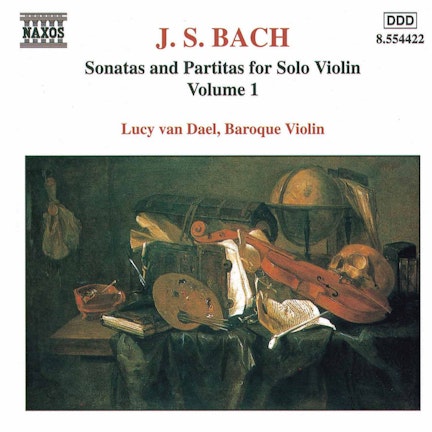
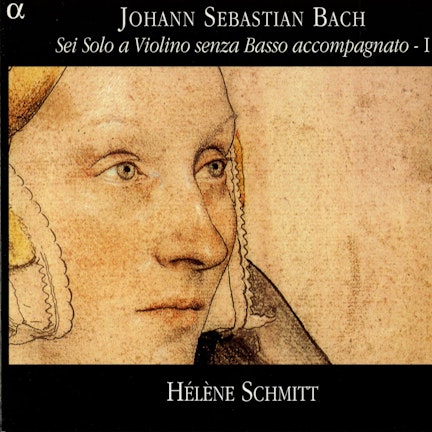
Bach: Sonatas and Partitas, Vol. 1
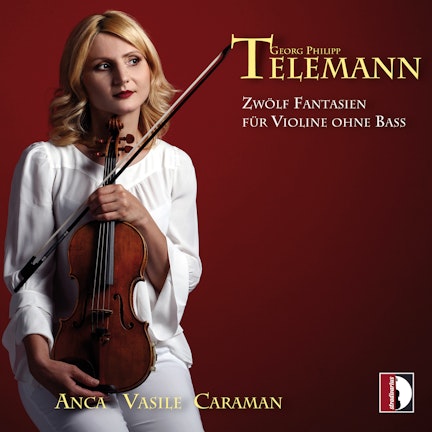
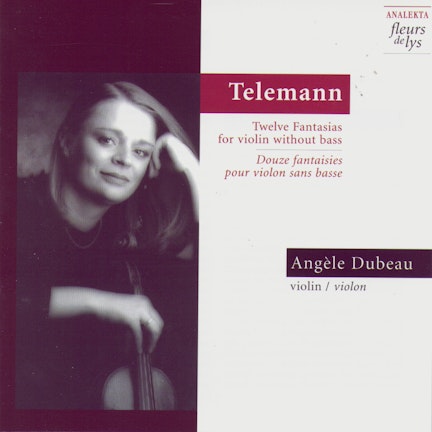
Telemann: 12 Fantasien für Violine ohne Bass, TWV 40:14-25
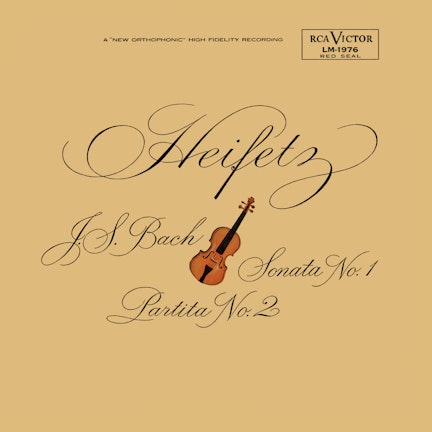
Bach: Sonata No. 1, BWV 1001, in G Minor, Partita No. 2, BWV 1004, in D Minor
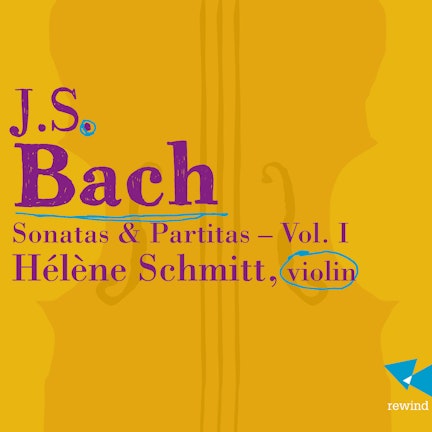
J.S.Bach – Sonatas & Partitas for Solo Violin BWV 1003 & BWV 1004 Vol.1
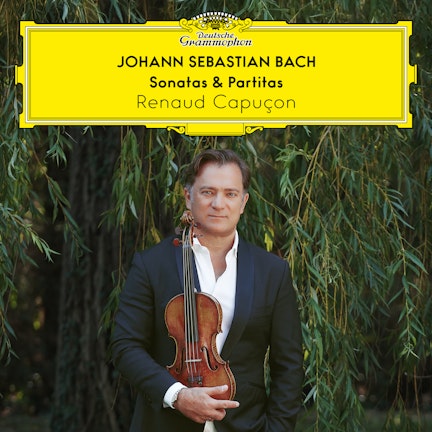
J.S. Bach: Sonatas & Partitas for Solo Violin, BWV 1001-1003
J.S. Bach: Sonata No. 1 for Solo Violin in G Minor, BWV 1001: IV. Presto
Bach: Sonatas and Partitas, Vol. 1
Bach, J.S.: Sonatas and Partitas for Solo Violin, Vol. 1 (Bwv 1001, 1002, 1004)