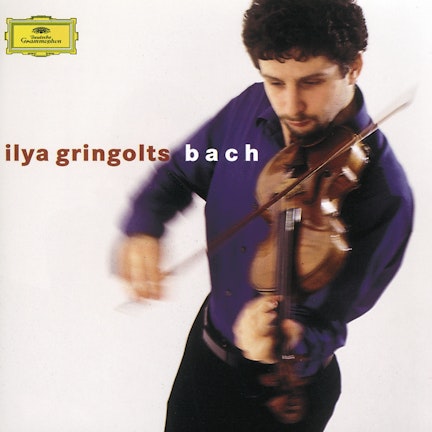
Bach created an extraordinary challenge for himself by reducing sonic resources to a minimum, yet realizing the full harmonic and polyphonic richness of his musical language on a melody instrument.
Composer's Artistic Vision
Bach's pupil Johann Philipp Kirnberger believed the works showcased true supremacy in polyphonic composition through the art of omission, presenting complex harmony with reduced voices.
Critical Reception
Bach's second son, Carl Philipp Emanuel Bach, viewed these compositions as valuable study material, demonstrating his father's deep knowledge of string instruments.
Compositional Technique
Bach was so fascinated by the Preludio from BWV 1006 that he transcribed the violin part for organ in his Ratswahlkantate BWV 29.
Compositional Technique
The Partita in E major BWV 1006 includes the famous Preludio, which is considered a touchstone for violinists' bowing technique.
Compositional Technique
Bach's Sonatas and Partitas for solo violin set new standards in both playing and compositional technique that remain relevant centuries later.
Composition History
Johann Paul von Westhoff, a violinist at the court of Weimar where Bach worked, published solo violin suites that likely served as a model for Bach's works.
You might also enjoy...
Bach: Sei Solo a Violino senza Basso accompagnato - II
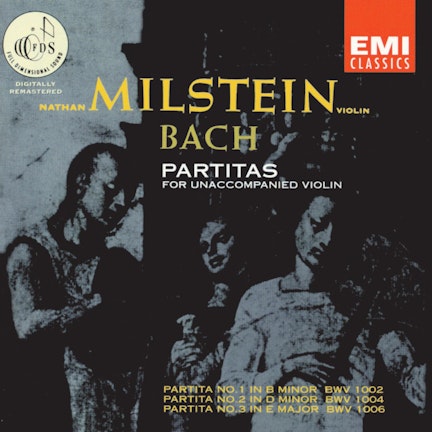
BACH : SONATA FOR SOLO VIOLIN No.1 & PARTITAS FOR SOLO VIOLIN No.2& No.3
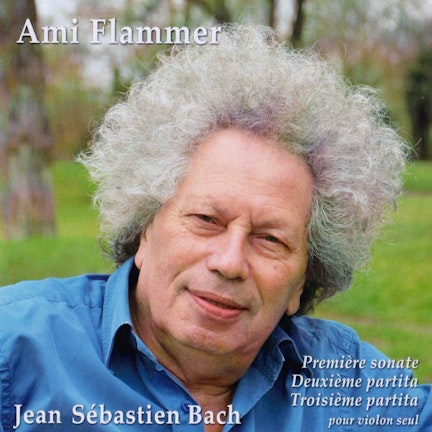
Jean-Sebastien Bach par Ami Flammer
Bach, J.S.: Sonatas and Partitas for Solo Violin, Bwv 1004-1006
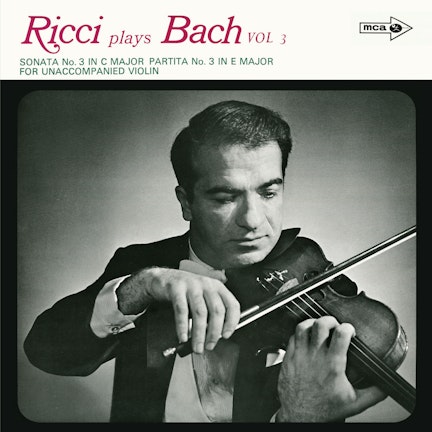
J.S. Bach: Partita For Violin No. 2, BWV 1004; Sonata For Violin No. 3, BWV 1005; Partita For Violin No. 3, BWV 1006