Bach's historical significance in these works lies in combining 17th-century solo violin traditions with the 'style brisé' technique from French lute and harpsichord music.
Composition History
Bach himself simply called his works for solo violin "Sei solo" (meaning "six solos"), a grammatically incorrect title.
Critical Reception
The Ciaccona from Bach's Partita in D minor was so rich in sound that his biographer Philipp Spitta remarked in 1880 that the instrument might be "torn asunder by this enormous power."
Composer Biography
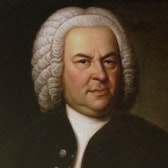
Bach, though primarily known as a composer of sacred music and keyboard player, was also a violinist throughout his life, and the violin may have been his very first instrument.
Instruments
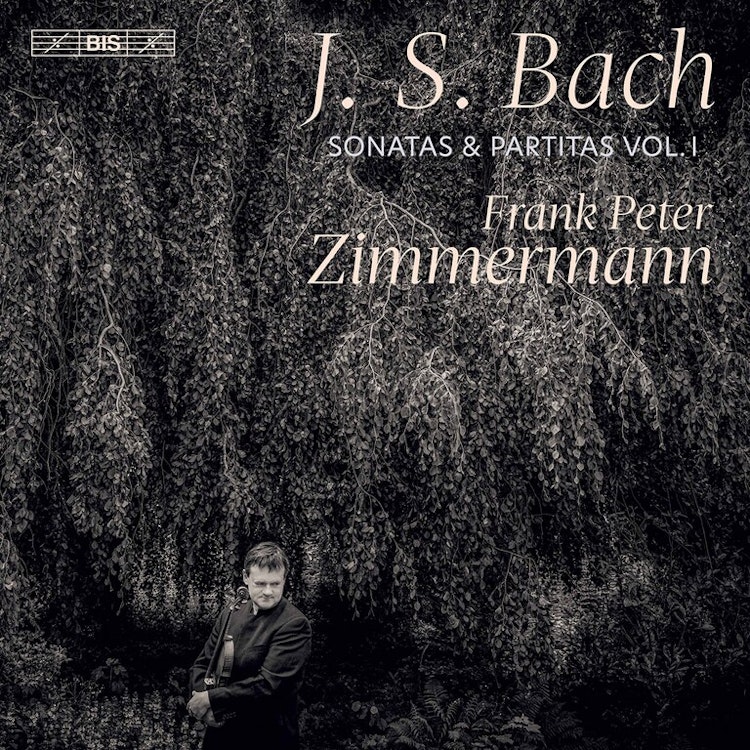
Frank Peter Zimmermann, the violinist on this album, plays a 1711 Antonio Stradivarius violin named 'Lady Inchiquin'.
Notable Performances
Joseph Joachim, a prominent 19th-century German violinist and friend of Johannes Brahms, established the tradition of performing all six of Bach's Sonatas and Partitas in their original, unaccompanied form.
Compositional Technique
Bach's Sei solo pieces are notable for lacking a basso continuo, meaning a single player must perform all notes on the four strings of one instrument.
You might also enjoy...
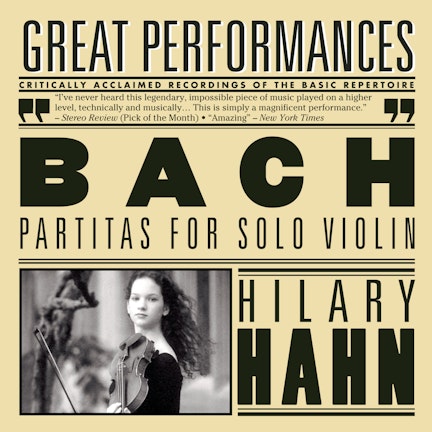
Hilary Hahn Plays Bach
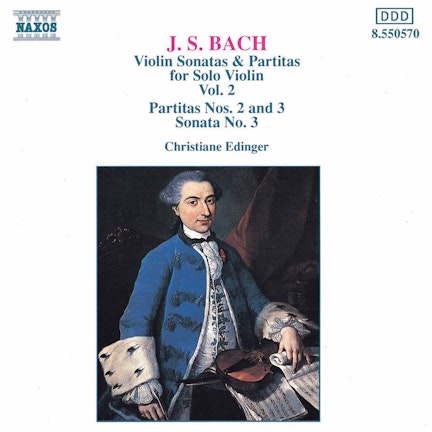
Bach, J.S.: Violin Sonatas and Partitas, Vol. 2
Bach: The Sonatas And Partitas For Violin Solo
Bach: Sonaten & Partiten (6)
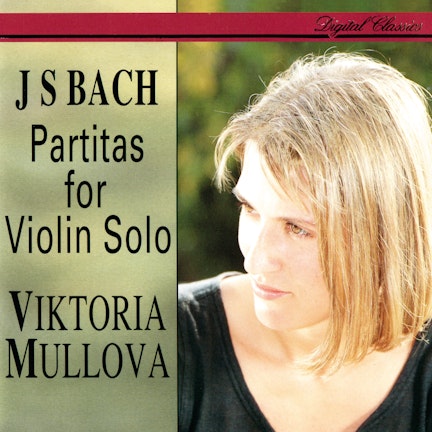
Bach: Partitas for Violin
Bach, J.S.: Sonatas and Partitas for Solo Violin, Bwv 1004-1006
Bach, J.S.: Partitas Nos. 1 - 3
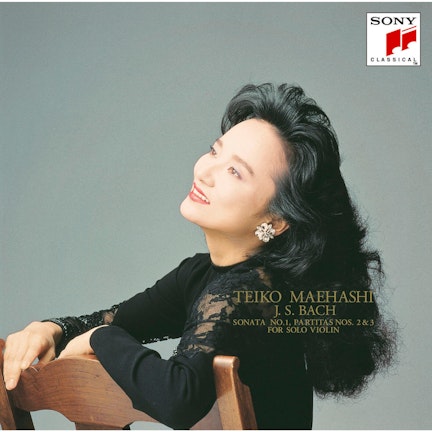
BACH : SONATA FOR SOLO VIOLIN No.1 & PARTITAS FOR SOLO VIOLIN No.2& No.3
J.S. Bach: Sonatas & Partitas for Solo Violin
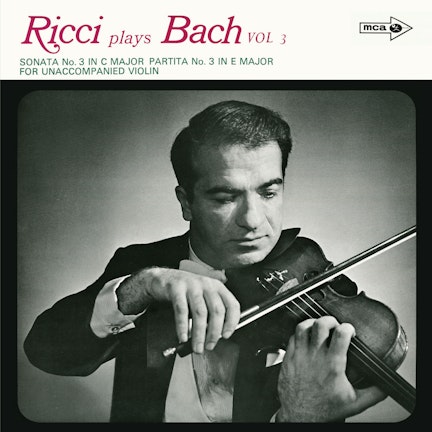
J.S. Bach: Partita For Violin No. 2, BWV 1004; Sonata For Violin No. 3, BWV 1005; Partita For Violin No. 3, BWV 1006