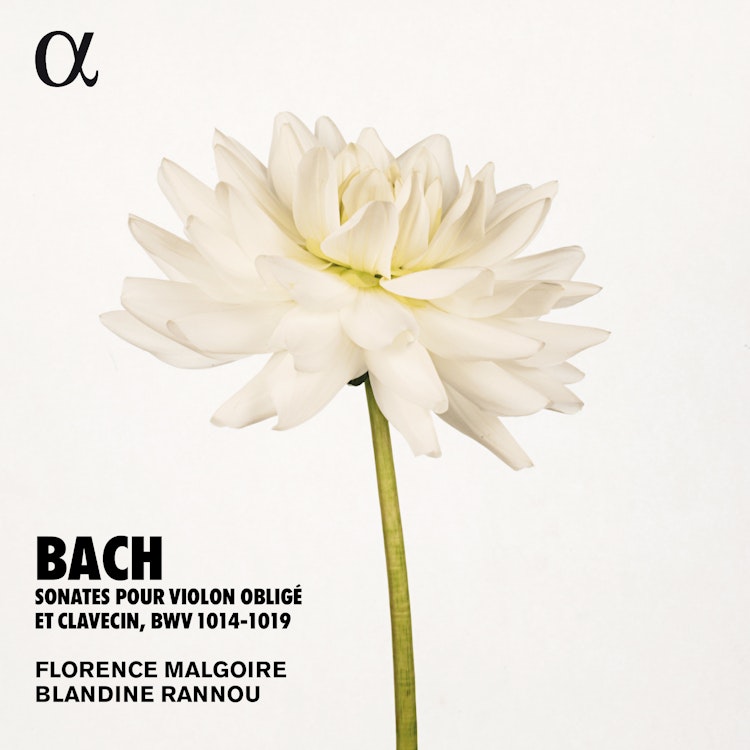
Bach: Sonates pour violon obligé et clavecin, BWV 1014-1019 (Alpha Collection)
4/2/2012, 25 Tracks, 1:39:04
Featuring
Florence Malgoire
Blandine Rannou
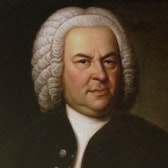
Johann Sebastian Bach
Did you know?
1/7
Composition History
The six Sonatas for violin and harpsichord were likely composed during Bach's time in Cöthen, a period of intense instrumental music composition, making them contemporary with his Six Sonatas and Partitas for solo violin.
Compositional Technique
The first five sonatas follow the structure of the sonata da chiesa, featuring four contrasting movements, with the first two often forming a prelude and fugue, similar to Bach's unaccompanied violin sonatas.
Composition History
These sonatas were probably intended for concerts Bach organized in the principality of Cöthen, where he, as Concertmeister, had an ensemble of seventeen first-rate musicians.
Composer's Artistic Vision
Bach's contrapuntal writing in these sonatas follows the German school, but their character and construction (except for the Sixth Sonata) derive from the Italian church sonata, reflecting his synthesis of European styles.
Compositional Technique
The Sixth Sonata has a unique structure compared to the others, with three different versions preserved, and the definitive version features five alternating movements (three fast, two slow), reverting to the sonata da camera genre.
Instruments
Florence Malgoire plays a Baroque violin made by Pierre Jacquier (alias Matthias) in 1981, modeled after an Amati instrument, with a Daniel Latour bow.
Composer Biography
Johann Sebastian Bach, though known for organ and harpsichord, was first taught music on the violin by his father and was an accomplished performer on bowed string instruments.
You might also enjoy...
Bach: Sonatas for Harpsichord and Violin, BWV 1014-1019
J. S. Bach: Sonatas for Violin and Harpsichord
Bach: Violin Sonatas, BWV 1014-1019
Bach: Violin Sonatas Nos. 1-6, BWVV 1014-1019
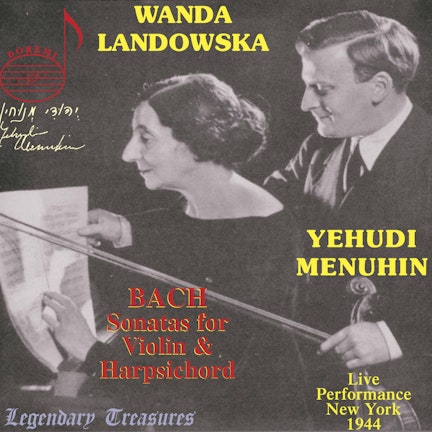
Yehudi Menuhin, Vol. 2: Bach Sonatas for Violin & Harpsichord
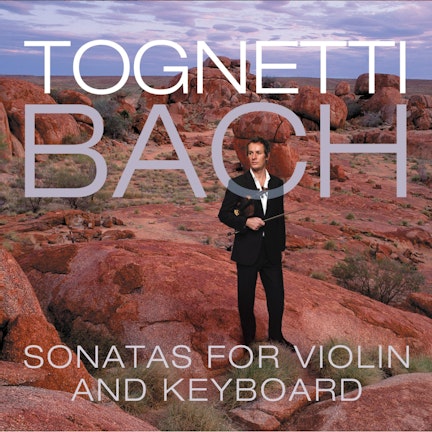
Tognetti – Bach: Sonatas For Violin And Keyboard
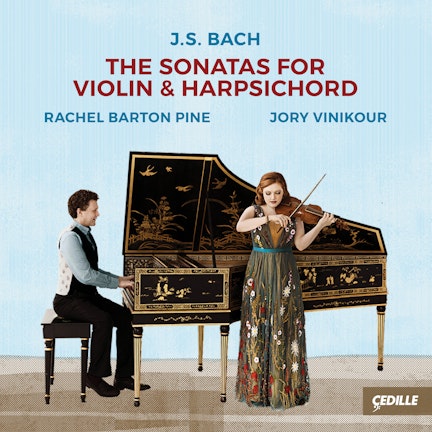
Bach: The Sonatas for Violin & Harpsichord
J.S. Bach: Sonatas Bwv 1014-19
J.S. Bach: Violin Sonatas
Golden Violin
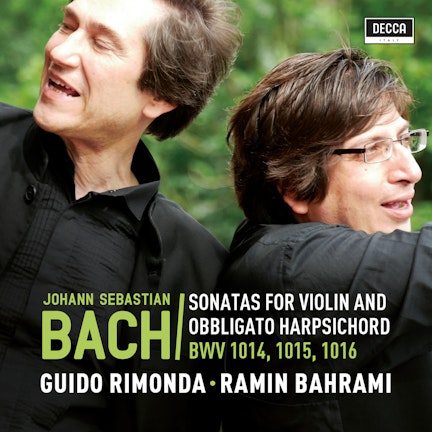
Sonatas for Violin and Harpsichord BWV 1014, 1015, 1016