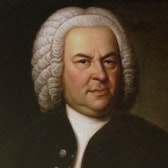
Johann Sebastian Bach's "The Art of Fugue" is his last composition, left unfinished, especially the final fugue.
Composer's Artistic Vision
Bach's "The Art of Fugue" is considered by some to be an abstract architectural masterwork of musical textures, not necessarily intended for performance.
Interpretation
The performer, Bálint Karosi, uses an organ, two different harpsichords, and a clavichord to provide maximum sonic variety for the recording.
Historical Context
In the last decade of his life, Bach intentionally composed works in a polyphonic, contrapuntal style that was considered conservative and obsolete by the 1740s.
Composition History
Bach composed "The Art of Fugue" in 1749/50 while suffering from failing eyesight, dictating new pieces after an unsuccessful eye operation.
Performer Biography
Bálint Karosi, the performer on this album, won the 2008 International J. S. Bach Competition in Leipzig.
Compositional Technique
The work explores various contrapuntal techniques, including mirror fugues where the entire piece can be played inverted without violating musical rules.
You might also enjoy...
J.S. Bach: The Well-Tempered Clavier
The Complete Organ Works of Francisco Correa de Arauxo: Correa in the New World
Bach: Art of the Fugue
Le Chemin de la Croix op. 29
Frescobaldi: Ricercars and Hymns
J.S. Bach: Clavierübung III & Schübler-Chorales
Froberger: Organ Works
Muffat: Complete Apparatus Musico-Organisticus
Haydn: Seven Last Words
De Torres: Complete Organ Music
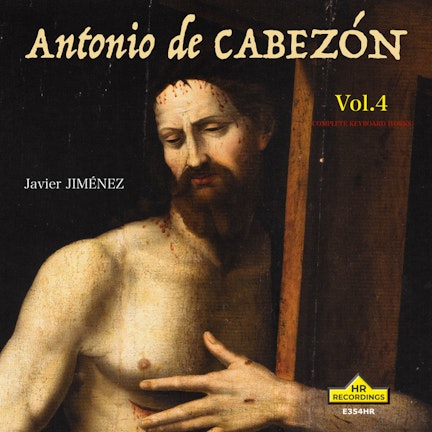
Cabezón: Complete Keyboard Works, Vol. 4
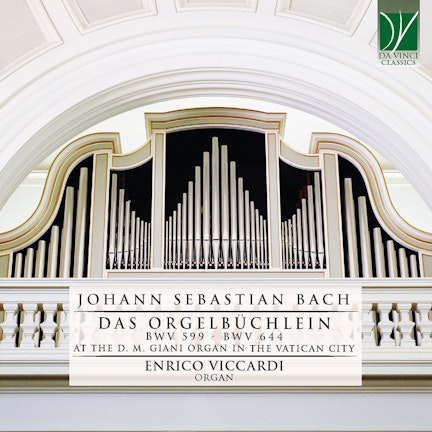
Johann Sebastian Bach: Das Orgelbüchlein
Speth: Ars Magna Consoni et Dissoni, Music for Organ