The viola da gamba, or 'knee violin', fell out of use in the 18th century and was only rediscovered over a century later during the early music revival.
Composition History
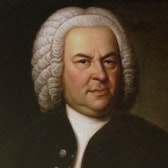
J.S. Bach's Sonatas for Viola da Gamba and Harpsichord were composed between 1717 and 1723 in Köthen, where Bach was the court Kapellmeister for Prince Leopold.
Composer's Artistic Vision
The secret to Bach's music is that listeners can absorb it on many levels, even without understanding the harmonic complexities, through its melodies, rhythms, and inner meditative strength.
Performer Biography
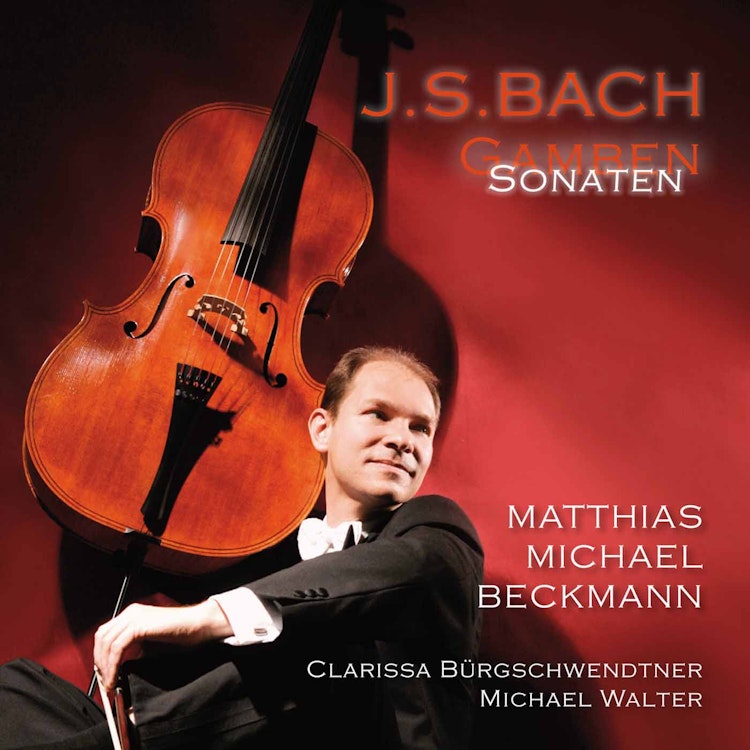
Matthias Michael Beckmann, the cellist on this recording, is known as a pioneer for playing the entire cello literature on a unique five-stringed cello.
Recording & Production
This recording uses a natural musical tuning of 432 Hz, which is said to elicit warm and sensuous overtones and undertones from the instruments.
Composition History
These sonatas are dedicated to Christian Ferdinand Abel, a friend of Bach and the court gamba teacher and concertmaster.
Instruments
The cellist, Matthias Michael Beckmann, plays a unique five-stringed cello crafted by Roger Hargrave and Bertrand Bellin, which has a range of five octaves.
You might also enjoy...
Bach, J.S.: Keyboard Concertos
Grazioli: 21 Sonate per Organo
Musical Auras
Stuttgart Brass Quartet: Intrada - The Influence of G. Gabrieli On German Composers
Pleyel: Klavierwerke
Sivelöv: Continuum
Vivaldi: Opera II - Sonate 1/6 per violino e basso continuo