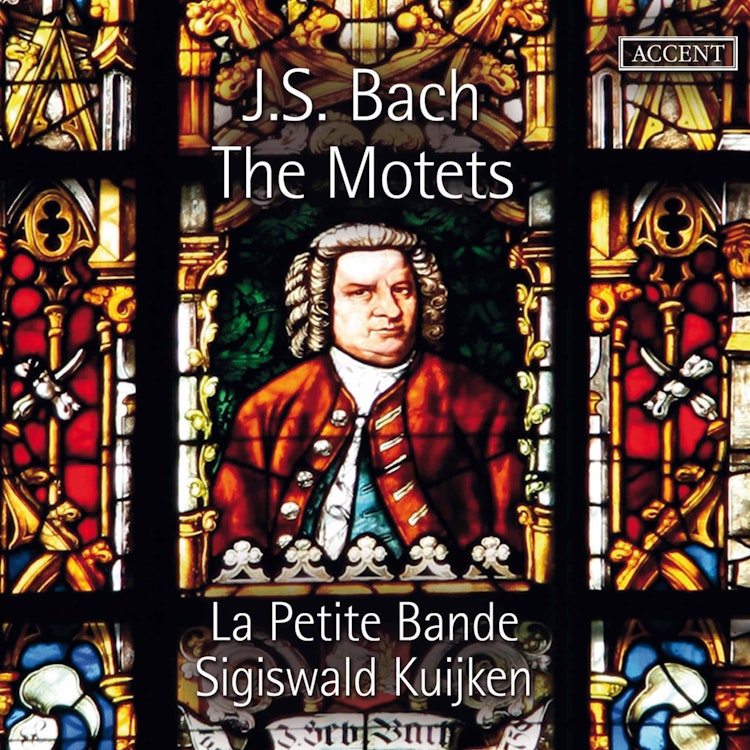
J.S. Bach, as Thomaskantor in Leipzig, was required to compose music for special occasions, including at least three motets for funeral services.
Compositional Technique
Bach's motet "Jesu, meine Freude" (BWV 227) is his most wide-ranging, consisting of eleven precisely structured sections that combine verses from a song by Johann Frank and a letter by St. Paul.
Critical Reception
The authenticity and exact number of Bach's motets have been debated due to the lack of original manuscripts and thin source material.
Composition History
The motet BWV 226, "Der Geist hilft unsrer Schwachheit auf," was performed during a 'funus academicus' (solemn funeral of a university professor) for Johann Heinrich Ernesti, rector of the Thomasschule.
Interpretation
The performance practice of Bach's motets, specifically whether to perform them a cappella or with instruments, has been a subject of debate, particularly in the 19th century.
Interpretation
Original performing instructions for Bach's motet "Der Geist hilft unsrer Schwachheit auf" (BWV 226) show that Bach required instruments, with strings for the first choir and wind instruments for the second.
Historical Context
A distinction was made between works performed during a service before burial ('Beerdigung') and later services of remembrance ('Gedächtnisgottesdienst') for the deceased of the upper classes.