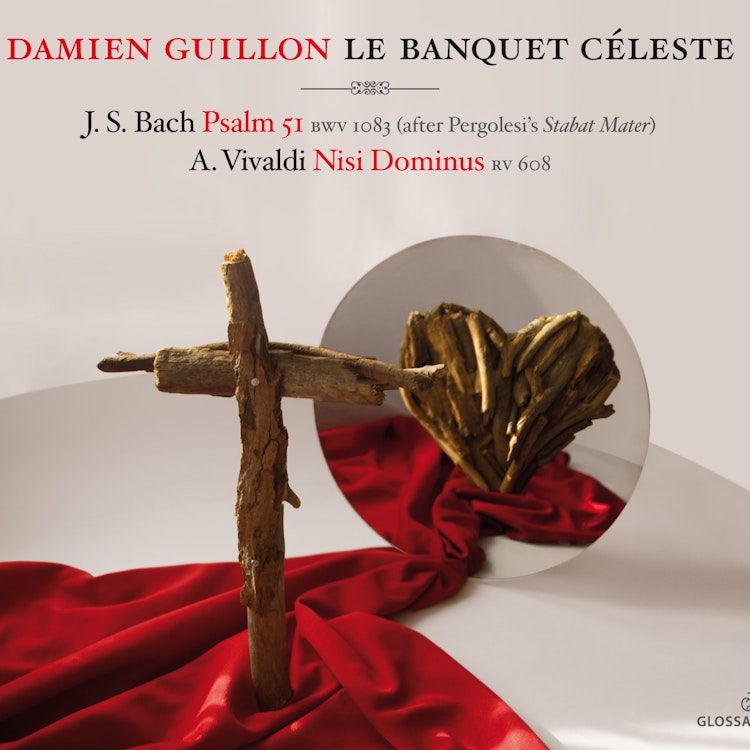
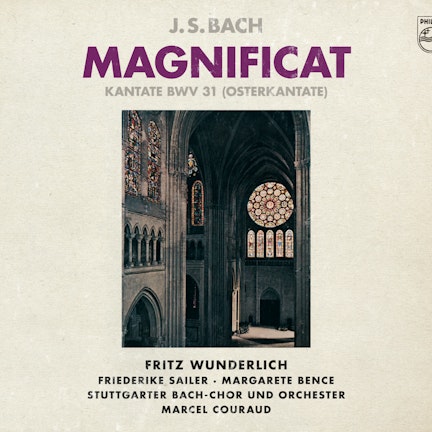
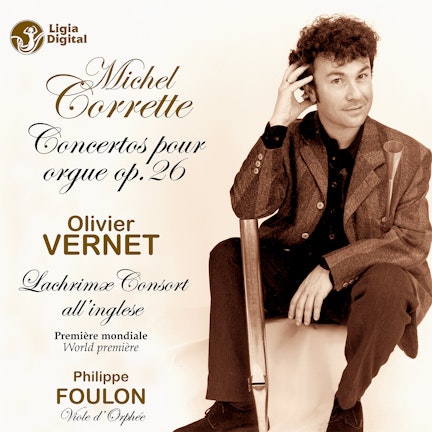
This album was recorded in October 2015 at the Abbaye aux Dames in Saintes, France, with Aline Blondiau as the engineer and producer.
Historical Context
In the early 18th century, Amsterdam was the European capital of the music publishing industry, and it was there that Johann Ernst of Saxe-Weimar acquired many Italian concerto scores.
Compositional Technique
Vivaldi's Nisi Dominus, RV 608, uses the voice as a solo instrument within a concerto-like structure, with vocal and orchestral parts alternating like solo and tutti sections.
Composer's Artistic Vision
Bach changed the order of two sections in Pergolesi's Stabat Mater to end his adaptation, Tilge, Höchster, meine Sünden, on an optimistic note of forgiveness, rather than lyrical contemplation of death.
Composer Biography
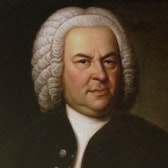
According to Forkel, Bach's first biographer, contact with Vivaldi's music was crucial for the development of Bach's musical thinking, influencing his use of solo/tutti alternation, proportions, and thematic linking.
Composition History
Bach's arrangement of Pergolesi's Stabat Mater, cataloged as BWV 1083, was only discovered relatively recently, with its existence first reported in 1946.
Compositional Technique
In his adaptation of Pergolesi's Stabat Mater, Bach significantly altered the orchestration by giving the viola an independent and more prominent role, making the sound denser and darker.