The sonatas combine a characteristic 'gallant lightness' that appeals at first hearing with the contrapuntally complex composition typical of Bach's late works.
Performer Biography
Simon Reichert, the organist on this album, specializes in Renaissance and Baroque music and has performed on many famous historical organs across Europe.
Instruments
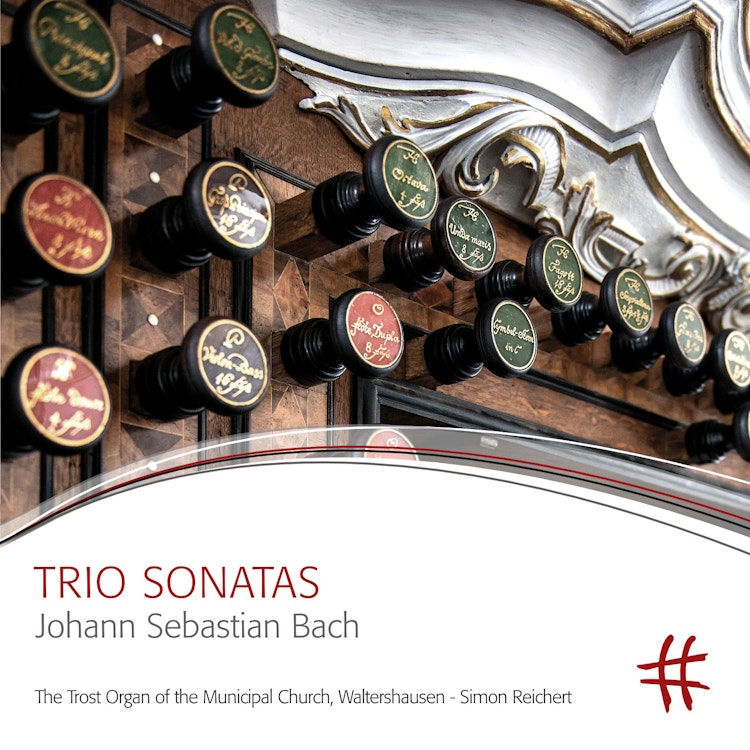
The Trost organ in Waltershausen, used for this recording, was chosen because its colorful sound spectrum and experimental stop types align with Bach's quest for new and modern sounds.
Composition History
Bach composed these six Trio Sonatas, BWV 525-530, as a masterwork for his eldest son, Wilhelm Friedemann Bach, to prepare him to become a great organist.
Compositional Technique
These sonatas are among the most technically and musically demanding works in organ literature, requiring high technical perfection and concentration from the player.
Interpretation
The performer, Simon Reichert, believes the Trost organ is ideal for these sonatas, despite some organists preferring the clavichord due to the organ's playing difficulties.
Compositional Technique
Bach's Trio Sonatas transfer the Baroque chamber music form of the trio sonata to the organ, with each hand playing a line on separate manuals and the pedals playing a third, equally elaborate voice.
You might also enjoy...
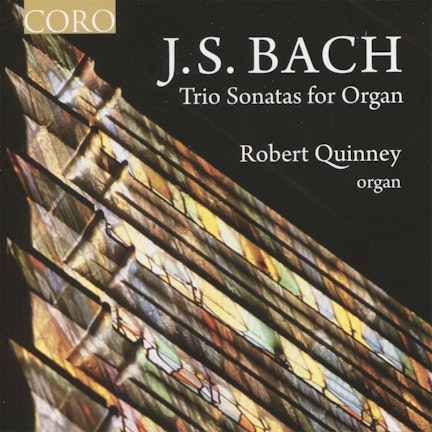
Bach: Trio Sonatas For Organ
Bach, JS : Die Kunst der Fuge [The Art of Fugue]
Bach, J.S.: Organ Works, Vol. 3 - Orgelbuchlein, Part 1
Francisco Correa de Arauxo: Tientos & Canciones
Bach: Clavier-Übung III
Johann Sebastian Bach - Die Kunst Der Fuge
Bach: Complete Organ Works Vol. 12
Jehan Titelouze: Hymnes de l'église
Rossi: Toccate e correnti, parte seconda
Bach: The Organ Works, The Master of the Organ (3/3)
Dritter Theil der Clavier Übung
Frescobaldi: Fiori musicali e brani tratti dal Secondo Libro di Toccate (All'organo della basilica di San Bernardino de L'Aquila)