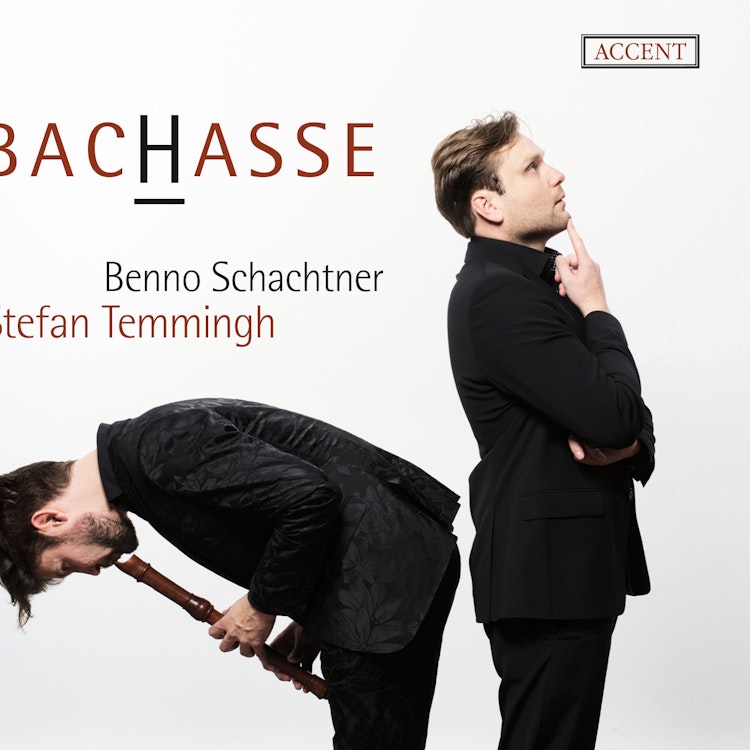
The recording uses a recorder in lower French tuning (392 Hz) and an organ tuned in Chorton (466 Hz) to achieve the original pitch Bach composed in, which also results in a comfortable vocal range for the countertenor.
Historical Context
Bach, though he never traveled to Italy, knew Italian music well and even attended operas by Hasse, a German composer who composed in the Italian style, becoming friends with him.
Instruments
The lute-harpsichord, an instrument Bach highly valued, is used on this recording; it produces a mellower sound with more resonance than a regular harpsichord due to its gut strings and lack of dampers.
Composer's Artistic Vision
The album's concept aims to break modern conventions by mixing sacred and secular music, reflecting a cultural openness similar to Bach's own practices.
Compositional Technique
Bach often did not specify instrumentation for his works and would re-instrument them, such as transposing the recorder part for the aria "Kein Arzt ist außer dir zu finden" for violin a few years later.
Instruments
Hasse's Cantata "Scrivo in te" is definitely conceived for the recorder, as indicated by the key, range, and the manuscript's "flauto" designation, despite the transverse flute becoming more popular at the time.