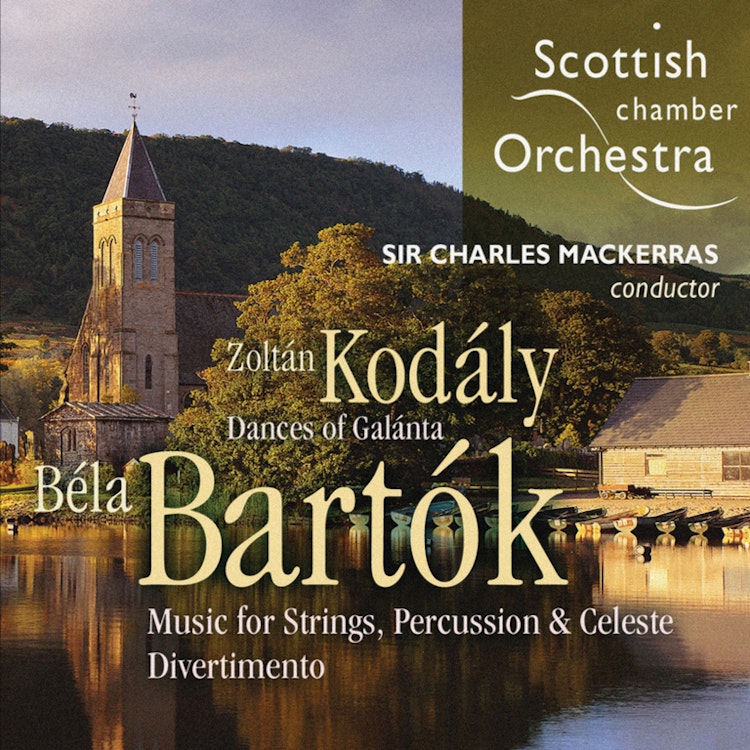
Béla Bartók composed his Music for strings, percussion and celeste and Divertimento just before World War II, during a time of gathering gloom in Europe.
Composer Biography
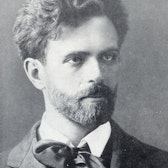
Zoltán Kodály, like his friend and colleague Béla Bartók, was inspired by folk music, but he also devoted his life to educating his compatriots in their native peasant music.
Compositional Technique
The instrumentation for Bartók's Music for strings, percussion and celeste is unusual, featuring a double string orchestra with celeste, harp, piano, xylophone, kettledrums, and other percussion.
Composer's Artistic Vision
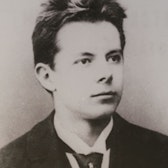
Béla Bartók's passion for peasant music lies at the basis of all his mature music, even absorbing more of his time than composition.
Compositional Technique
Bartók's Music for strings, percussion and celeste uses a spatial arrangement where two groups of string players are separated by other instruments, creating a three-dimensional sound in performance.
Recording & Production
The Bartók works on this album were recorded at Usher Hall, Edinburgh, UK, while the Kodály work was recorded at Greyfriar's Church, Edinburgh, UK, in early March 2004.
Interpretation
This recording of Bartók's Music for strings, percussion and celeste uses a smaller orchestra than customary, with 34 string players equally divided into two groups, comparable to the original forces for which it was written.
You might also enjoy...
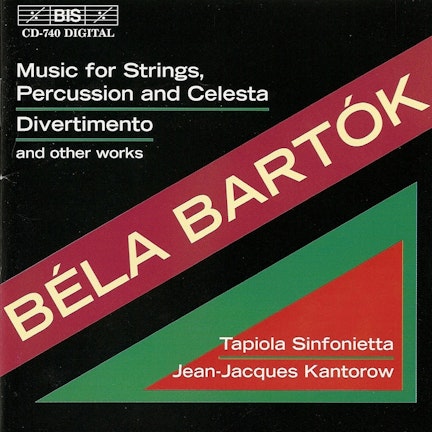
Bartok: Music for Strings, Percussion and Celesta / Divertimento and Other Works
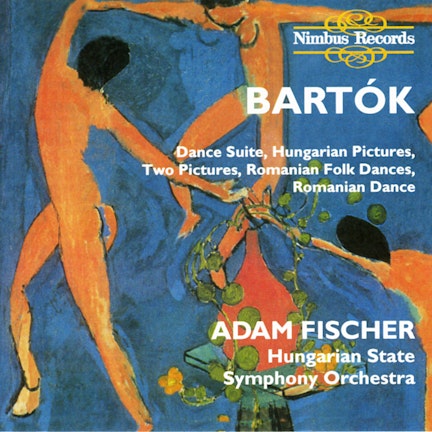
Bartok, B.: Romanian Folk Dances / Dance Suite / Hungarian Sketches / 2 Pictures
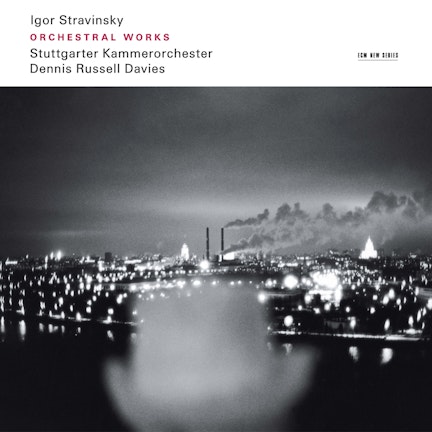
Stravinsky: Orchestral Works
José Serebrier: Orchestral Works
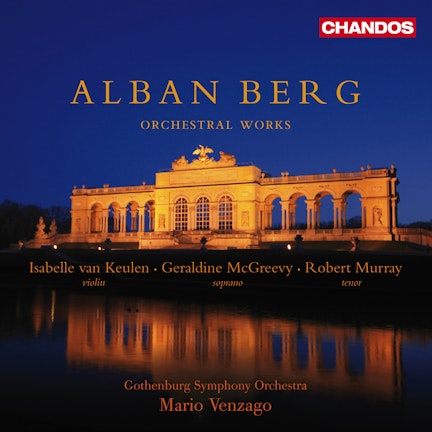
Berg, A.: Orchestral Music
Orchestral Music (Encores) - Mozart, W.A. / Dvorak, A. / Brahms, J. / Strauss Ii, J. / Weinberger, J. / Bizet, G. (Dresden Philharmonic, Burgos)
Vaughan Williams Greatest Hits
Bartok, B.: Orchestral Music
Kodály: Orchestral Favourites, Vol. XX
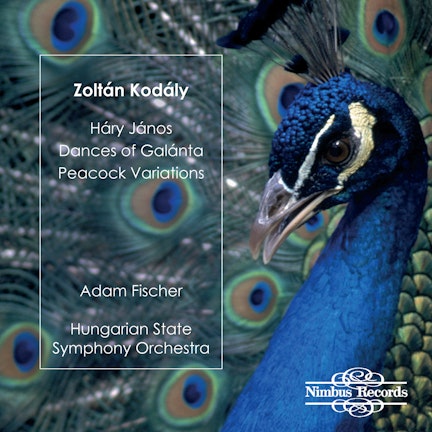
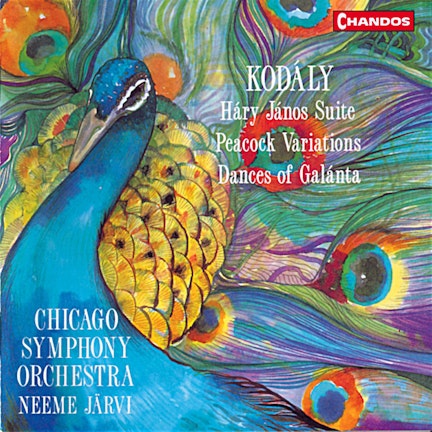
Kodaly, Z.: Hary Janos Suite / Dances of Galanta / The Peacock
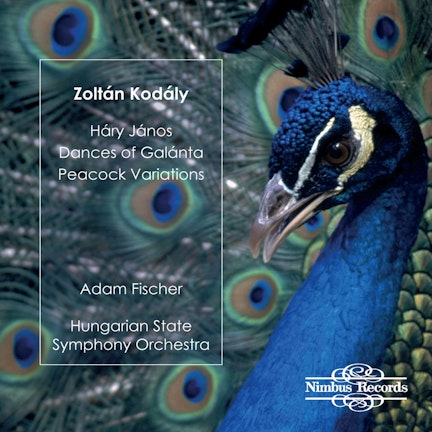
Kodaly: Dances of Galanta / Hary Janos Suite / Peacock Variations