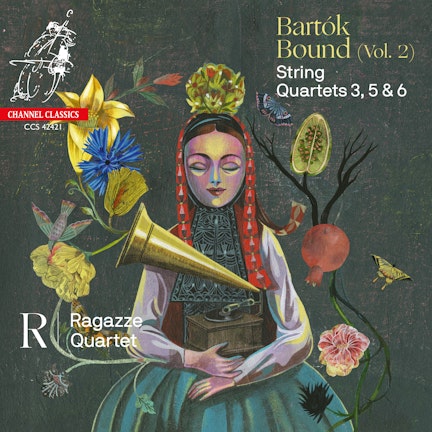
Bartók's Sixth String Quartet was completed in November 1939 after his mother's death, an event so devastating he could not attend her funeral.
Composition History
Bartók's Third String Quartet won a shared first prize of $3000 in a 1927 chamber music competition sponsored by the Musical Fund Society of Philadelphia.
Compositional Technique
Bartók's Fourth String Quartet is an early and unmistakable example of his fascination with arch form, where the movements are palindromic.
Composition History
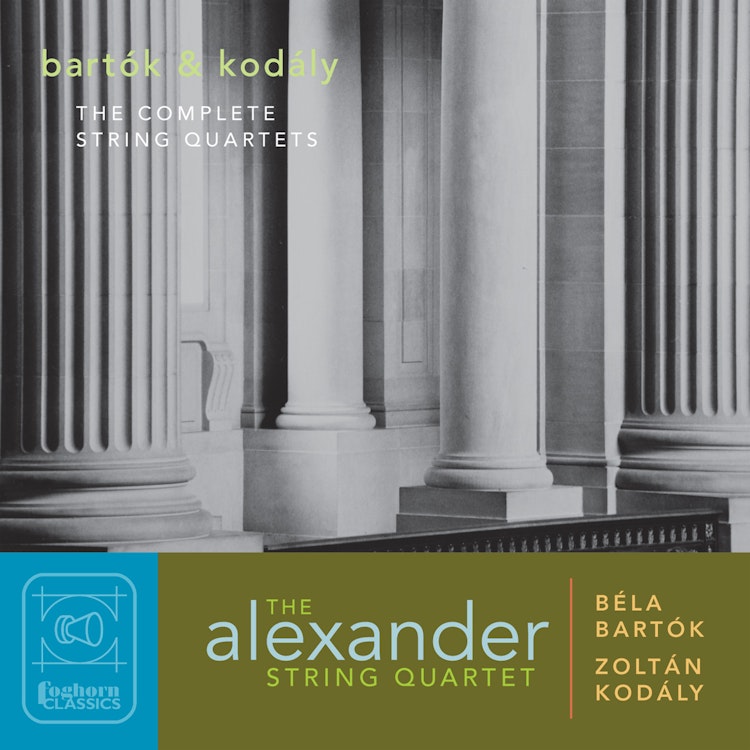
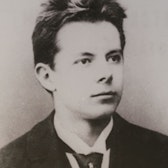
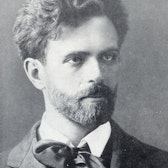
In 1910, the Waldbauer-Kerpely Quartet, dedicated to new music, premiered Zoltán Kodály's String Quartet No. 1 and Béla Bartók's String Quartet No. 1 in Budapest.
Historical Context
The 1910 premieres of Kodály's and Bartók's first string quartets were optimistically hailed as "the double birthday of modern Hungarian music."
Critical Reception
Early critics in Budapest denounced Kodály's First String Quartet, with one calling him "a deliberate heretic" for his compositional style.
Composer's Artistic Vision
Kodály and Bartók envisioned a renaissance of contemporary Hungarian music and created a New Hungarian Music Society in 1911 to support new works.
You might also enjoy...
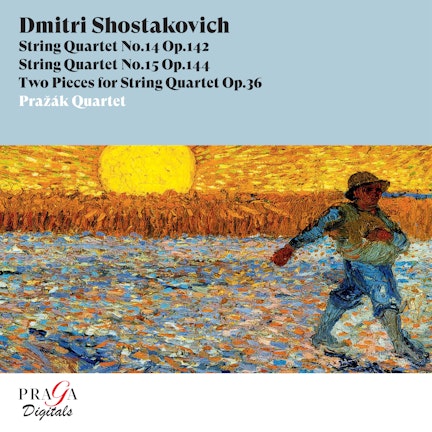
Dmitri Shostakovich: String Quartets Nos. 14 & 15, Two Pieces, Op. 36
No. 3
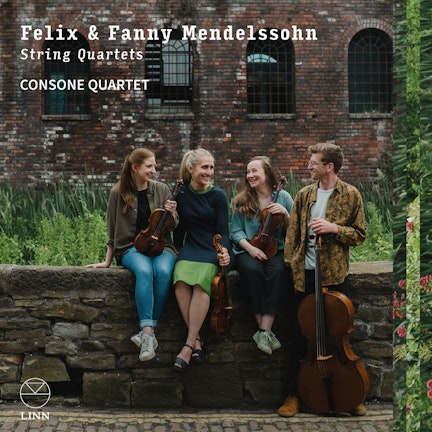
Felix & Fanny Mendelssohn: String Quartets
Shostakovich: String Quartets Nos. 1, 8 and 9
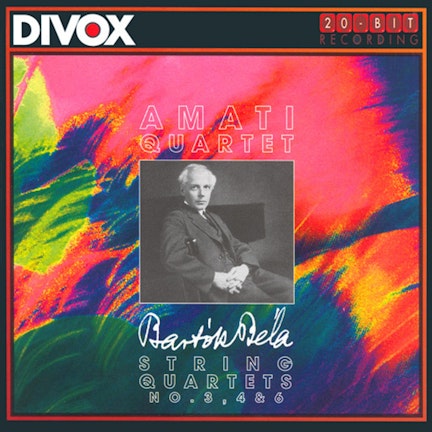
Bartok: String Quartets Nos. 3, 4, 6
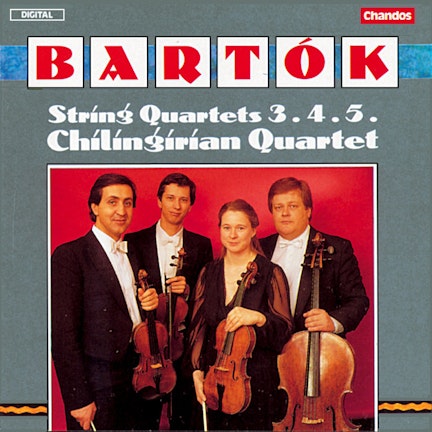
Bartók: String Quartets Nos. 3-5
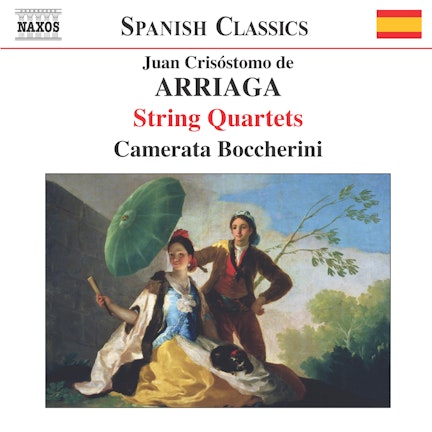
Arriaga: String Quartets (Complete)
Mendelssohn, Verdi & Suk: Works for String Quartet