The librettist, Béla Balázs, based the trochaic tetrameters of his text on the folk ballads of the Székely, a Hungarian population in Transylvania.
Composition History
The libretto for "Bluebeard's Castle" was written by Béla Balázs, who shared Bartók's ideals of creating something modern yet rooted in traditional culture.
Critical Reception
"Bluebeard's Castle" was not widely performed until after World War II, following the composer's death, when it began to reach opera houses worldwide.
Compositional Technique
Bartók's score for "Bluebeard's Castle" features an orchestra larger than in any of his other works, providing all the necessary 'decor' for the opera.
Critical Reception
After failing to win two competitions in 1911 and 1912, Bartók despaired of ever hearing "Bluebeard's Castle" performed.
Composition History
Bartók's "Bluebeard's Castle" was a wedding gift and a warning dedicated to his new wife, Márta.
Composer Biography
Béla Bartók composed "Bluebeard's Castle" at age thirty and never returned to the opera genre, making it his only opera.
You might also enjoy...
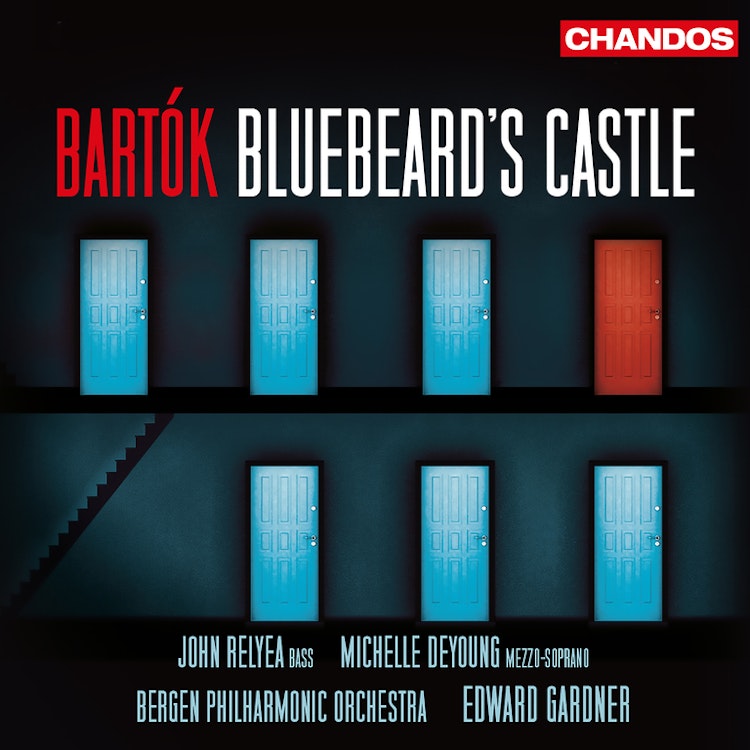
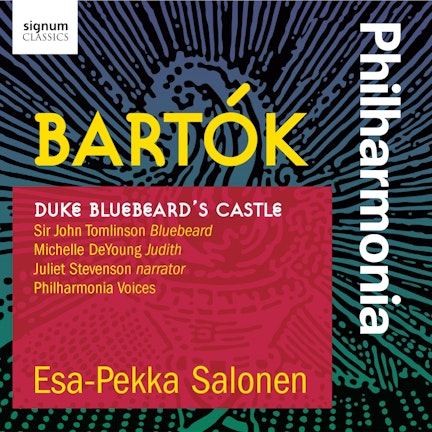
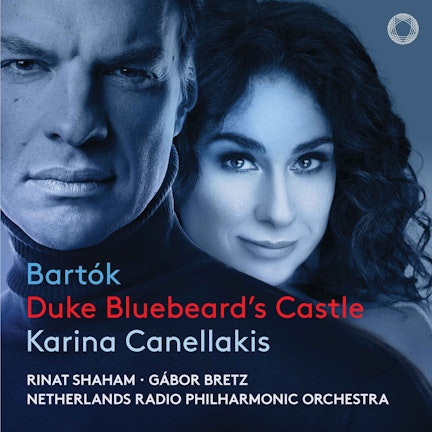
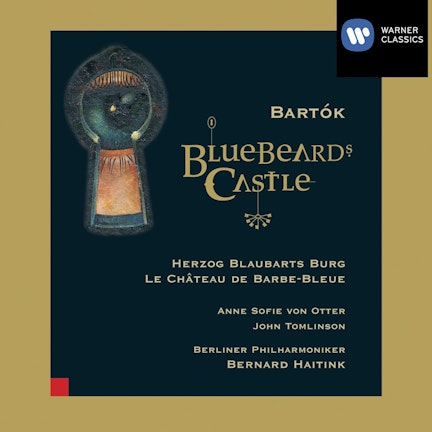
Bartók: Duke Bluebeard's Castle
Bartók: Duke Bluebeard's Castle
Bartók - Bluebeard's Castle
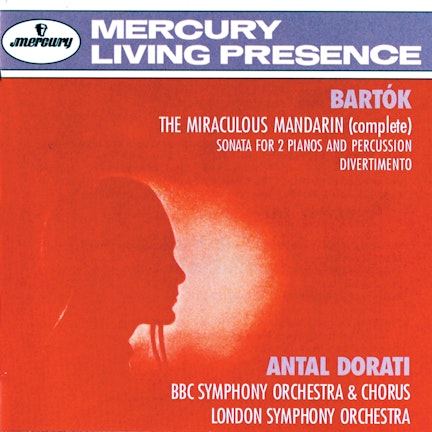
Bartók: The Miraculous Mandarin; Sonata For 2 Pianos & Percussion; Divertimento
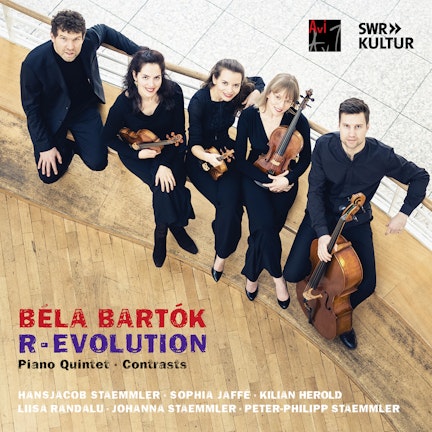
Bartók: Piano Quintet in C Major; Contrasts for Clarinet, Violin & Piano
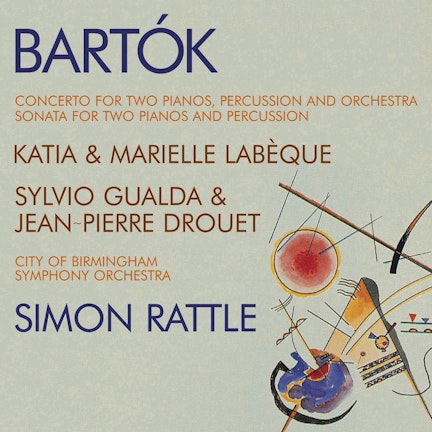
Bartók - Double Piano Concerto; Double Piano Sonata
Bartok: Sonata for Two Piano and Percussion, The Miraculous Mandarin (Suite)
Bartók: Concerto For Orchestra; Divertimento
Bartók: Concerto for Orchestra, Divertimento
Bartok, B.: Divertimento / Concerto for Orchestra
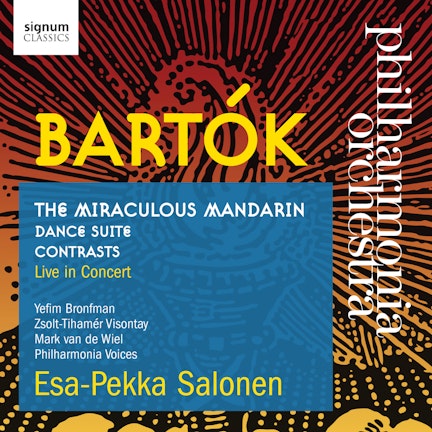
Bartók: The Miraculous Mandarin - Dance Suite - Contrasts
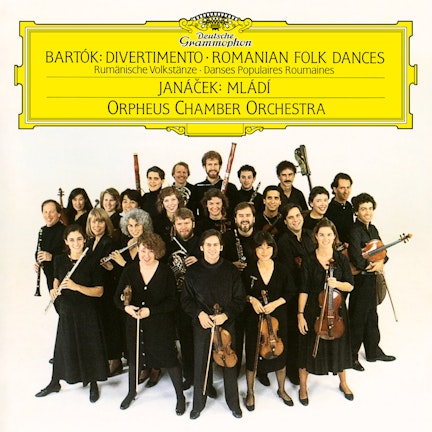
Bartók: Divertimento For Strings, Sz. 113; Roumanian Folk Dances For Orchestra, BB 76; Janácek: Mládi, JW 7/10