Bartók's Fifth String Quartet was his first work commissioned internationally, by U.S. chamber music patron Elizabeth Sprague Coolidge, and premiered at the Library of Congress.
Compositional Technique
Bartók's Fourth String Quartet, composed in 1928, is structured as a palindrome, with the slow third movement as the nucleus and the outer movements sharing thematic material.
Composer's Artistic Vision
Bartók aimed to move the string quartet genre beyond its Viennese tradition, incorporating alternative tonalities and rhythms inspired by folk music.
Compositional Technique
The 'Bartók pizzicato,' where the string is pulled so hard it strikes the fingerboard percussively, was introduced in his Fourth String Quartet.
Composition History
Bartók's Third String Quartet, completed in 1927, is his shortest and most formally complex quartet, featuring percussive sounds and astringent harmony.
Compositional Technique
Bartók's First String Quartet reconfigures Stefi Geyer's motif from a concerto into a pair of falling sixths in F minor, creating a sound unprecedented in quartet literature.
Composer Biography
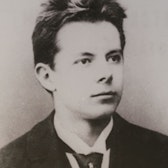
Béla Bartók's First String Quartet was influenced by his romantic involvement with violinist Stefi Geyer; he was passionately in love when he began the work, but it was over by the time he finished it.
You might also enjoy...
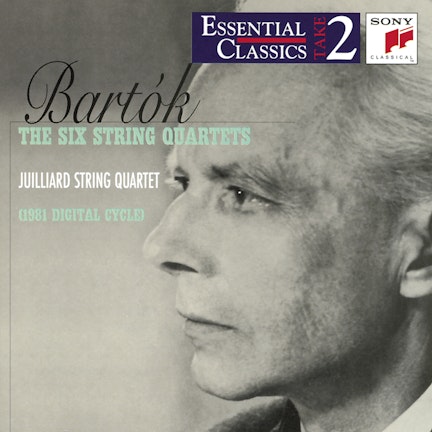
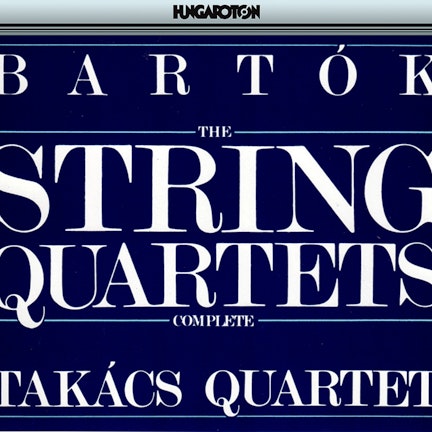
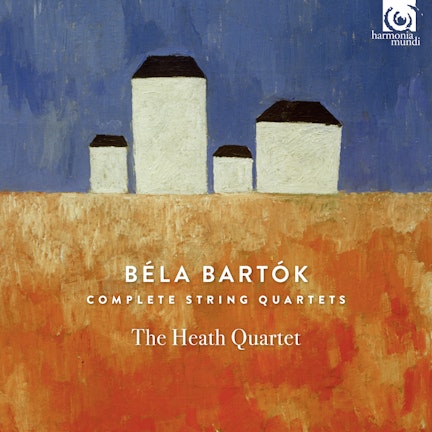
Bartók : String Quartets Nos 1 - 6 [Complete]
Bartók: String Quartets
Bartok: String Quartets (Complete)
Bartok: String Quartets (Complete)
Bartók String Quartets 1-6
Bartok: Complete String Quartets
Bartok: Complete String Quartets
Bartók: The String Quartets
Bartók by Heart
Bartók: The String Quartets
Bartók: The 6 String Quartets
Bartok: String Quartets (Complete)
Bartok: The Complete String Quartets - The 1963 Stereo Recordings