The first movement of Bartók's Second Piano Concerto uniquely omits strings, scoring only for piano, woodwind, brass, and percussion, creating a distinct range of colors.
Performer Biography
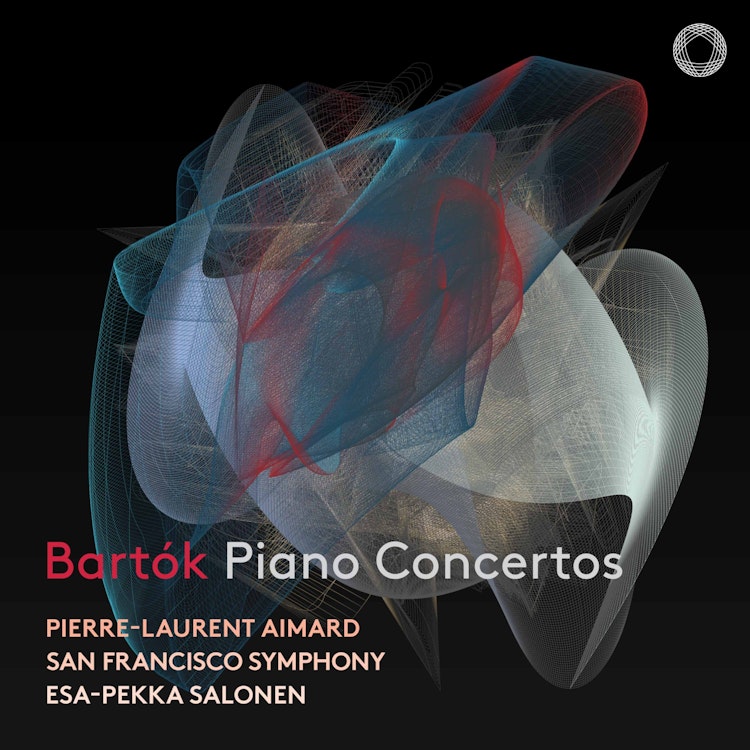
Pierre-Laurent Aimard, the pianist on this recording, spent significant time in Hungary and learned the Hungarian language to better understand its unique music.
Composition History
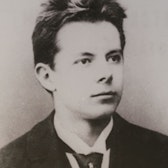
Béla Bartók, the composer, wrote his First Piano Concerto between August and November 1926, intending to perform it himself to secure solo engagements with orchestras.
Composition History
Bartók wrote his Second Piano Concerto (1930-31) to be less difficult for the orchestra and to have more pleasing thematic material, after the challenging reception of his First Concerto.
Critical Reception
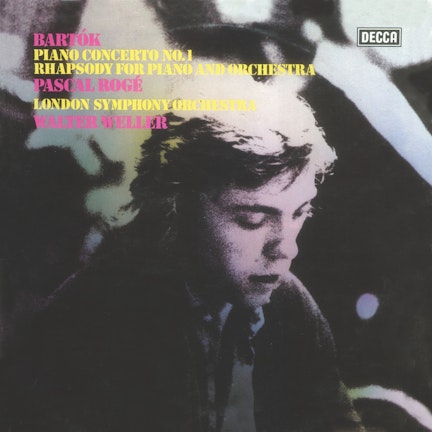
Bartók's First Piano Concerto received a brutal reception from critics, with one reviewer declaring its 'sum total is unmitigated ugliness'.
Interpretation
Pianist Pierre-Laurent Aimard considers Bartók's piano concertos among the most demanding in the repertoire due to their instrumental challenge and musical significance.
Compositional Technique
In his First Piano Concerto, Bartók deliberately explored using the solo piano as a percussion instrument, integrating it with the percussion section.
You might also enjoy...
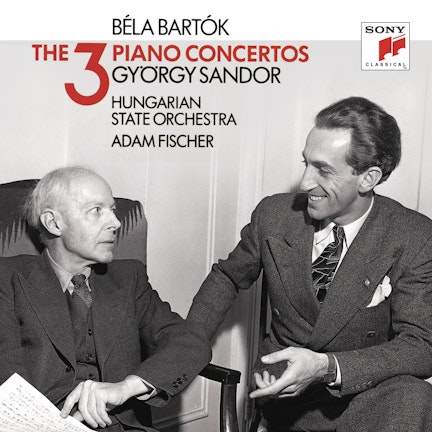
Bartók: The 3 Piano Concertos
Bartók: Piano Concertos Nos. 1-3
Martinu, B.: Piano Concertos, Vol. 1 - Nos. 3, 5 / Piano Concertino
Martinu: Piano Concertos Nos. 2, 3 & 4
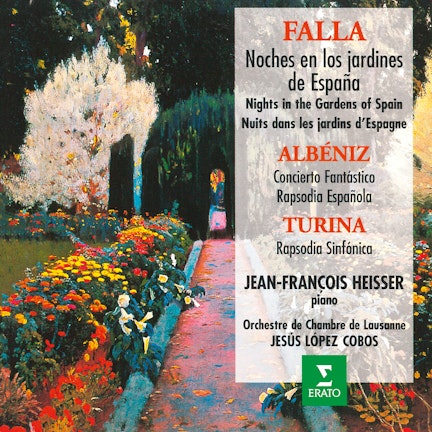
De Falla / Albéniz / Turina: Nights in the Gardens of Spain / Rapsodia Española etc.
Poulenc : Piano Concertos & Aubade
Bartók: The Piano Concertos
Bartók: The Piano Concertos
British Piano Concertos
Falla: Noches en los Jardines de España - Albéniz: Concierto Fantástico - Turina: Rapsodia Sinfónica