Bartók: Piano Concertos Nos. 2 and 3, Concerto for Orchestra & Music for Strings
1/18/2019, 18 Tracks, 2:15:47
Featuring
Ferenc Fricsay
György Sándor
Annie Fischer
Sándor Végh
Sándor Zöldy
Georges Janzer
Paul Szabó
Rafael Kubelík
Wiener Symphoniker
Symphonieorchester des Bayerischen Rundfunks
Végh Quartet
Camerata Salzburg
Béla Bartók
Did you know?
1/6
Compositional Technique
Béla Bartók's Piano Concerto No. 2 (1930/31) is an experiment in the Neo-Classicism style, showing clear influence from Igor Stravinsky, a Russian composer known for his neoclassical works.
Critical Reception
Theodor Adorno, a German philosopher and music critic, wrote a detailed essay classifying Béla Bartók's String Quartet No. 3 as one of the standard-setting works of its time.
Composer Biography
Béla Bartók, a successful musician, was declared a 'degenerate' composer by the Nazis, forcing him to emigrate to the USA where he lived unhappily and died of leukemia in 1945.
Composition History
The Concerto for Orchestra (1943) and Piano Concerto No. 3 were Béla Bartók's final major works, both ranking among his most influential compositions.
Critical Reception
Béla Bartók's String Quartet No. 3 was an instant international success, winning the Chamber Music Award of the City of Philadelphia shortly after its composition.
Composer's Artistic Vision
Béla Bartók's Music for String Instruments, Percussion and Celesta (1936) is considered one of his most personal works, where he developed an intimate style that reconciles Modernism with the musical past.
You might also enjoy...
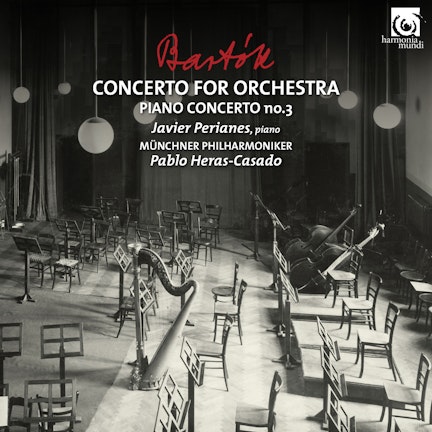
Bartók: Concerto for Orchestra & Piano Concerto No. 3
Bartók: Piano Concertos Nos.1 & 2; Two Portraits
Bartók: Piano Concertos Nos.1 & 2; Two Portraits Op.5
Liszt: Piano Concertos Nos.1 & 2 · Les Préludes S.97 · Hungarian Rhapsody No.2
Liszt: Piano Concertos Nos. 1-3 / Grande Fantaisie Symphonique On Themes From Berlioz's Lelio / De Profundis / Schubert - Wanderer Fantasy
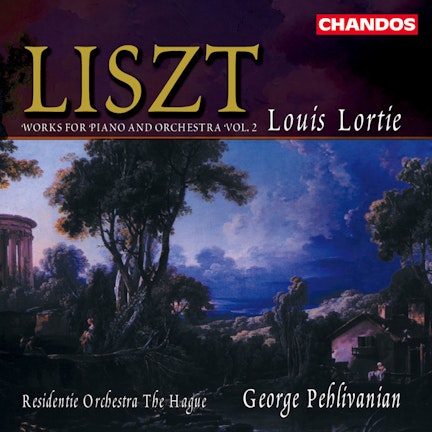
Liszt: Works for Piano & Orchestra, Vol. 2
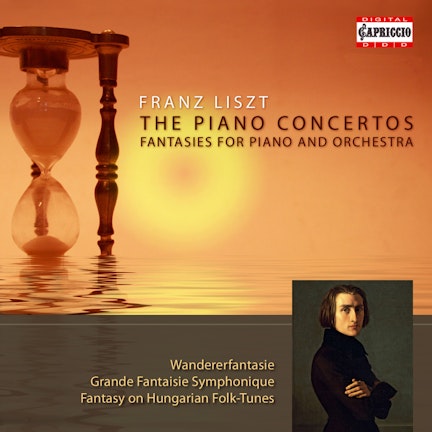
Liszt: The Piano Concertos - Fantasies for Piano and Orchestra
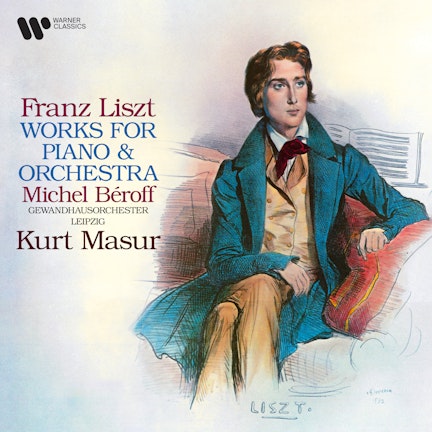
Liszt: Works for Piano and Orchestra
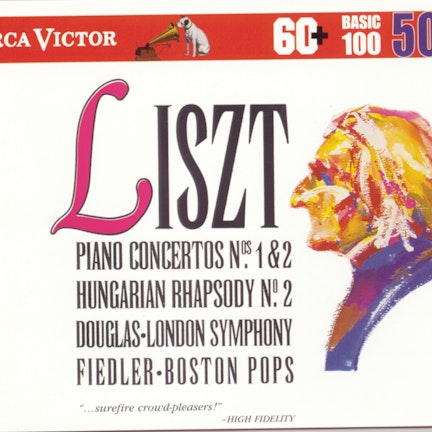
Liszt: Piano Concertos Nos. 1 & 2, Hungarian Rhapsody No.2